
Not all dog parks are created equal. Especially when you’re looking for fences, shade, or a separate small-dog zone. Here’s the smarter way to find the good ones – plus what to check before you go.
What Makes a Genuinely Good Fenced Dog Park?
When most people say they’re looking for a fenced dog park, what they actually mean is a space that ticks a few specific boxes — because “fenced” alone doesn’t tell you much. A paddock with a gate technically qualifies. That’s not what you’re after.
The parks worth driving to have a combination of:
🐾 What to Look for in a Fenced Dog Park
- Double-gated entry: An airlock-style entry (two gates with a holding area between them) is the gold standard for safety — especially important if your dog is fast or bolts when the gate opens.
- Separate small dog area: A divided zone for dogs under 10kg makes a huge difference for nervous small breeds who get overwhelmed by large dogs.
- Shade and shelter: In Australian summers, a park without shade is close to unusable between 10am and 4pm. Look for trees or covered seating areas.
- Agility or enrichment equipment: Good parks often have simple agility gear — jumps, weave poles, tunnels — which doubles as enrichment for dogs that need more than a run.
- Water access: A tap or communal water bowl is a basic requirement. Absence of this is a red flag in warmer months.
- Maintained surfaces: Grass, mulch, or gravel is better than bare dirt or packed clay that floods. Check for broken equipment, holes near fence lines, or hazards.
- Bin access: Parks with no bin nearby get messy fast. It affects the whole vibe.
Some parks nail all of this. Others? Chaos with a bin. Our Explore Map filters by fenced parks and tags like agility equipment and small dog zones — so you can see what a park actually offers before you drive there.
Who Benefits Most From Fenced Dog Parks
Fenced parks aren’t just for dogs who need to run. There are specific situations where the fence itself is the whole point — and knowing whether your dog fits into one of these categories helps you decide how often to go, and what to look for.
🐕 When a Fenced Park Is a Game-Changer
Dogs with unreliable recall
If “come” only works sometimes, a secure fence means you can still give your dog off-leash freedom while you work on that recall. It’s a safe practice environment, not a cop-out.
Puppies (under 6 months)
Before full vaccination, vet guidance usually means avoiding high-traffic open parks. Fenced parks at off-peak times with a small group of known dogs offer a more controlled socialisation window.
Reactive or anxious dogs
Counterintuitive, yes — but an empty fenced park during off-peak hours can be ideal for reactive dogs. No leash pressure, freedom to sniff and explore, without the unpredictability of an open area.
Senior dogs who need gentle exercise
Older dogs who can’t keep up with busier parks benefit from the security of a fence — they can potter at their own pace without you worrying they’ll wander into a road or get knocked over by an exuberant young dog.
Small dogs around larger breeds
Even friendly large dogs can accidentally injure small dogs during play. Parks with a dedicated small dog area give small breeds space to interact with dogs their own size and energy level.
High-energy breeds who need a real run
Kelpies, border collies, vizslas, and similar working breeds need more than a lead walk. A fully fenced park with room to sprint is one of the few places you can safely let them actually stretch their legs.
How to Find Fenced Dog Parks Near You
You’ve got a few solid options, and they work best in combination.
1. Use the Dogs of Australia Explore Map
We’ve built a growing, curated map of dog-friendly places across Australia — including fenced parks, off-lead areas with extras like agility equipment, and parks with separate small dog zones. Filter by location and category to see what’s actually near you.
→ Explore Fenced Dog Parks Near You
We also have detailed city-specific guides if you want to go deeper:
2. Check Your Local Council’s Website
Most Australian councils publish listings of local dog exercise areas, and many have interactive maps or downloadable PDFs. They’re particularly useful for checking leash rules, restricted hours, and whether a park is fully fenced or just fenced on some sides (which is more common than you’d think). Search “[your council name] dog exercise areas” to find yours.
3. Ask Other Dog Owners (or the Internet)
Whether it’s your local dog group or a Reddit thread, fellow dog owners often have the best intel on what parks are safe, shady, and not secretly just a roundabout with a bench.
You can type “enclosed dog park near me” into Google search and see what pops up. You’ll often find articles from online blogs about many fenced dog parks across Australia. For example, we have a few different posts on the topic too, such as our guide on finding an off-leash dog exercise park in Sydney or our article on fully fenced dog parks in Perth.

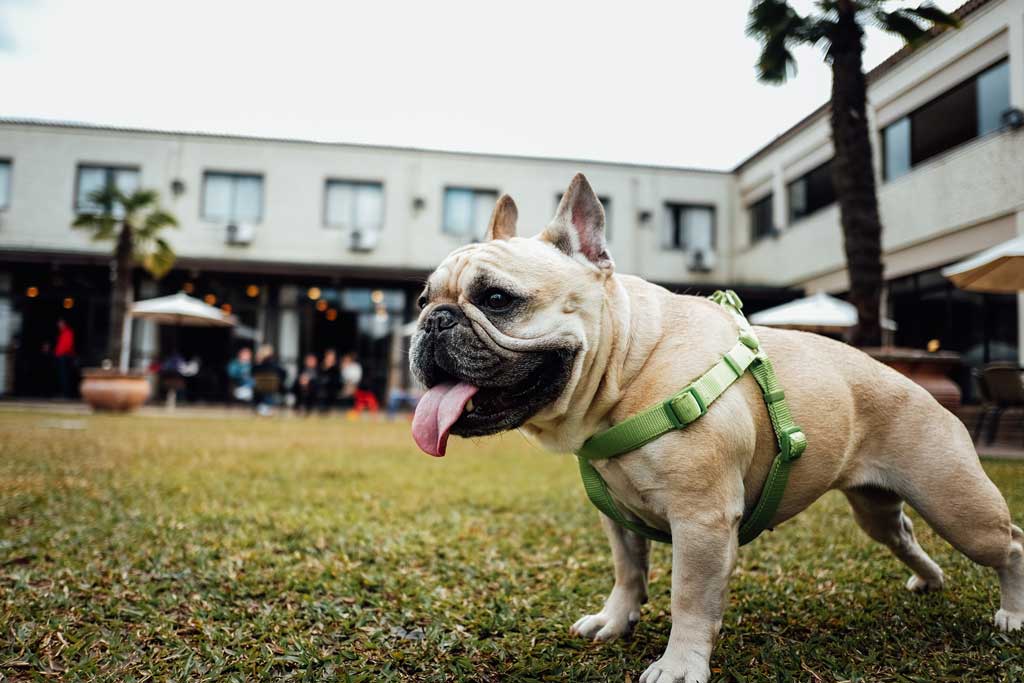
Image: Alvan Nee on Unsplash
What to Check Before Your First Visit
Even if a park looks good on a map, it’s worth doing a quick once-over before you let your dog off-lead — especially if it’s somewhere new.
✅ Quick Pre-Visit Checklist
Walk the fence line first
- Check for gaps at ground level, especially at corners and near drainage areas where soil can erode.
- Look for loose or broken panels — these are less obvious but more dangerous than an obvious gap.
- Check that any shared fence with a road has no footholds that could help a determined dog scale it.
Check the entry gate setup
- Is there a double gate (airlock)? If not, be extra careful about other dogs rushing the entry when you open it.
- Does the latch close securely and automatically? A gate that requires deliberate closing is one that will eventually get left open.
- Is the gate tall enough that your dog can’t jump it? (Relevant for taller breeds or serious jumpers.)
Scan for hazards inside the park
- Look for broken glass, rubbish, or food scraps near bins — especially in parks adjacent to BBQ areas.
- Check for dangerous plants if the park borders bushland or garden areas.
- In summer, check the surface temperature. Rubber matting and dark gravel can become dangerously hot for paws on a warm day.
Fenced Park Etiquette (The Unwritten Rules)
Anyone who’s spent time at Australian dog parks knows that the social dynamics between dog owners can be… a lot. Most conflict comes from a small number of situations that are easily avoided.
💡 How to Be a Good Dog Park Human
- Watch your dog, not your phone. This is the number one rule. You can’t intervene quickly if you’re staring at a screen. Other owners notice, and so do the dogs — who quickly work out which humans are distracted.
- Don’t bring food into the park. Even wrapped food in a bag creates resource-guarding situations. Leave snacks at the car.
- Pick up immediately. Not eventually. Immediately. The social contract of a shared fenced space depends on this.
- Read the room when arriving. If there’s already a tense interaction happening or the energy looks chaotic, wait by the gate or come back later rather than adding your dog to the mix.
- Don’t let your dog mob the gate. Call your dog away when new dogs are entering — a mob of dogs rushing the entry is overwhelming and is how fights start.
- Know when to leave. If your dog is being a bully, getting bullied, or is visibly overstimulated, leaving isn’t failure. It’s good dog ownership. They’ll have a better time next visit.
Fenced Dog Park FAQs
❓ Common Questions
Do I still need a lead inside a fenced dog park?
Usually no — the whole point of a designated off-lead area is that dogs can roam freely without a lead. However, some parks have specific rules (for example, leads required near the entry gate). Check your council’s signage or website for the specific park’s rules.
Do dogs need to be vaccinated to use a fenced dog park?
Most councils don’t enforce vaccination checks at the gate — but using a shared dog exercise area with an unvaccinated dog puts other dogs at risk. Current C5 vaccination is the standard expectation. If your puppy isn’t fully vaccinated yet, ask your vet before going.
What’s the best time to visit a fenced dog park?
Early morning (before 8am) and weekday mid-mornings tend to be quietest. After-work hours on weekdays (5–7pm) and weekend mornings are typically peak traffic. If your dog gets overwhelmed easily, go early or on rainy days when the park is often empty.
Can I take a puppy to a fenced dog park?
Speak to your vet first — most recommend waiting until at least two weeks after the final puppy vaccination before visiting shared dog spaces. When you do go, choose quiet times and watch closely. Early experiences shape how your dog feels about dog parks for years.
What if my dog doesn’t get along with other dogs?
A busy fenced park probably isn’t the right environment yet. Consider visiting during very off-peak times when you can have the space to yourselves, working with a trainer on social skills first, or exploring on-lead parks and dog-friendly beaches instead.
Are fenced dog parks free to use?
Yes — council-run fenced dog parks are free to use in Australia. Some private facilities charge a fee, but public parks maintained by local councils don’t require payment. You may need to have your dog registered with your council, which is a separate requirement.
Pro Tips for a Better Experience
💡 Making the Most of Fenced Dog Parks
- Off-peak = better experience. Early morning visits to an empty fenced park — just your dog, space to sniff, and no social pressure — are often more valuable than a busy afternoon session. Some dogs who “struggle at the dog park” are actually fine when there aren’t 12 other dogs in their space.
- Bring water, not treats. Water is essential. Treats can create resource-guarding situations with other dogs and are best saved for training outside the park.
- Keep visits short for puppies and anxious dogs. Fifteen to twenty minutes of good experience beats an hour of overstimulation. End on a positive note while your dog still wants to be there.
- Rotate parks. Different parks attract different regular dogs. If you have a bad experience at one, it’s worth trying another — the regular crowd matters as much as the park itself.
- Use the fence for recall training. An empty fenced park is a brilliant low-stress location for recall practice. No nearby distractions, genuine freedom to move, and a safe consequence if they don’t come back immediately.
- Check conditions in summer. If it’s over 28°C, the ground surface may be too hot for paws — especially rubber matting or dark gravel. Visit early morning or skip entirely on very hot days.
Find a Fenced Dog Park Near You
Skip the guesswork. Our Explore Map lets you browse fenced dog parks across Australia — filtered by location, size, and features like small dog zones and agility equipment.
→ Browse Dog-Friendly Places Across Australia
And if you’re after city-specific guides with the best parks we’ve reviewed: