
Disclosure: Dogs of Australia is reader-supported. When you buy through links on our site, we sometimes earn an affiliate commission at no added cost to you. Learn more
Treats are a useful training tool and a reasonable part of most dogs’ diets — but the volume adds up quickly, especially during active training periods. When you’re giving multiple treats a day, the quality of what’s in them starts to matter more than it would for an occasional snack.
Here’s a practical breakdown of the main healthy treat types, what to look for, and a few things worth knowing about common ingredients.
The Healthiest Dog Treat Types
Close to half of Australian dogs are overweight or obese — which makes low-fat treat choices worth thinking about, especially for dogs that receive a lot of treats during training. Here are the main healthy treat categories:
🦴 Healthy Treat Types Compared
Single-Protein Dehydrated Chews
Treats made from a single meat source with no additives — pig ears, cow ears, goat horns, antlers, jerky strips. Minimal processing, easy to read the ingredient list.
Best for: Dogs that need long-lasting chews, owners who want transparency in ingredients
Lean Protein Treats
Lower-fat meat options include kangaroo, rabbit, deer, fish, lamb, goat, and horse. These are naturally lower in fat than pork or beef-based treats, making them suitable for dogs managing their weight.
Best for: Overweight dogs, high-volume training sessions where lots of treats are given
Homemade Dehydrated Treats
Making your own treats using a food dehydrator gives you full control over ingredients and cuts out additives entirely. Usually cheaper per treat than commercial options once you have the equipment.
Best for: Owners who want complete ingredient control, dogs with food sensitivities
Liver and Organ Meat Treats
High in protein and extremely palatable — dogs are strongly attracted to the smell of liver, which is why it’s common in training treats. High value for recall and focus work. Higher in fat than lean proteins, so use in moderation.
Best for: High-distraction training, recall work, dogs that are picky about treats
Small Business / Farmers Market Treats
Local small businesses making dog treats often source ingredients more carefully and use fewer additives than mass-market brands. Many sell at farmers markets and are happy to let your dog sample before you buy.
Best for: Anyone wanting to avoid questionable ingredient lists from big retailers
Cheap Healthy Treats
Healthy treats don’t have to be expensive — the main variable is how you buy them and how much you give at a time. A few simple habits make a meaningful difference to both your dog’s health and your weekly spend.
💡 How to Keep Treat Costs Down
- Go tiny: Training treats don’t need to be large — a piece the size of your fingernail is enough to reward behaviour. Small pieces mean a bag lasts much longer
- Buy from local makers: Small businesses at farmers markets often have more affordable options than pet store chains, with better ingredients. Ask about their cheapest low-fat options
- Make your own: A food dehydrator pays for itself quickly if you make treats regularly — chicken, beef, sweet potato, and kangaroo all dehydrate well
- Avoid budget pet store treats: The cheapest commercial treats often use low-quality protein sources, added sugars, and preservatives. The cost saving isn’t worth the trade-off for everyday use
Is Peanut Butter Safe for Dogs?
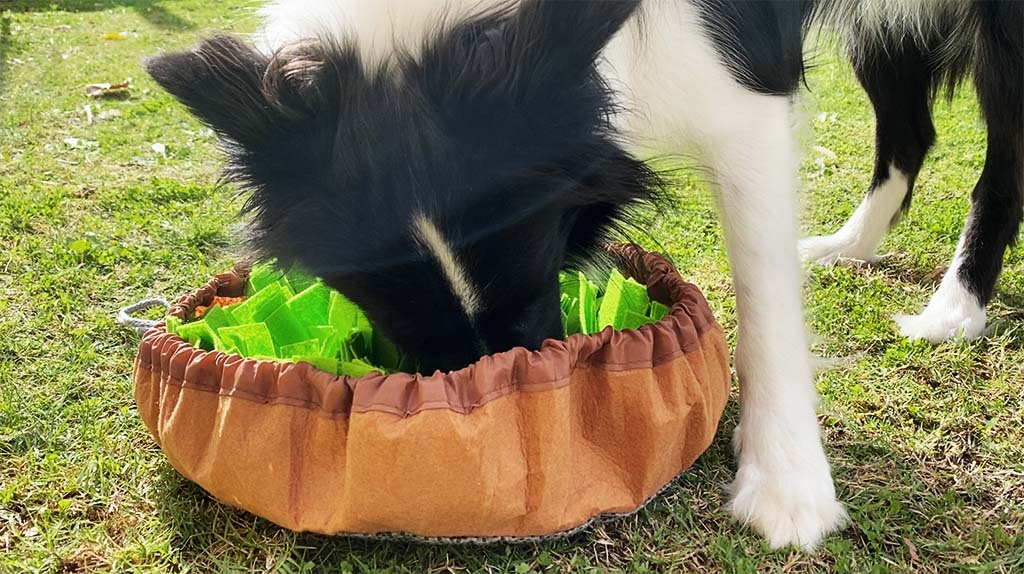
Peanut butter is a popular choice for lick mats and enrichment feeding, and most dogs love it. It’s fine in small amounts — but there are two things worth checking before you use it.
⚠️ Peanut Butter: Use With Caution
Check the Ingredient List First
Some peanut butter brands contain xylitol — an artificial sweetener that can cause a rapid insulin release in dogs and is potentially life-threatening. Only use peanut butter that contains 100% peanuts and nothing else. If the label lists xylitol, erythritol, or “sugar alcohols,” don’t use it.
High in Fat and Calories
Even xylitol-free peanut butter is high in fat and calories. Treat it as an occasional high-value reward — useful for snuffle mats or lick mats — rather than a daily treat. Small amounts are fine for most dogs; large amounts regularly are not.
What Types of Treats Do Dogs Prefer?
All dogs are individuals — what works as a high-value reward for one dog will be ignored by another. That said, a few patterns hold fairly consistently:
🐾 What Most Dogs Go For
High-Protein Meat Treats
Dogs can’t survive without protein and tend to choose high-protein options when given a choice. Meat treats — especially those with a strong smell — typically rank higher in preference than biscuits or grain-based treats.
Liver and Organ Meats
The smell of liver is particularly attractive to most dogs, which is why liver-based treats are so common in training products. If your dog is distracted or disengaged during training, a smellier treat often helps.
Soft Over Crunchy (for Training)
For active training sessions, soft treats are generally better — they’re faster to eat, so the dog can refocus immediately rather than spending time chewing. Hard chews and biscuits work better as longer-lasting rewards outside of training.
Frequently Asked Questions
❓ Healthy Dog Treats FAQ
What should I look for on a dog treat label?
A short ingredient list with a named protein source at the top (e.g. “kangaroo”, “chicken”) is a good sign. Be cautious of treats with long lists of additives, unnamed “meat by-products”, added sugars, artificial preservatives (BHA, BHT, ethoxyquin), or artificial colours. The fewer ingredients, generally the better.
How many treats should I give my dog per day?
As a general guideline, treats should make up no more than 10% of your dog’s daily calorie intake. During active training periods where treats are given frequently, use very small pieces and choose lower-calorie options. If you’re unsure what’s appropriate for your dog’s size and weight, ask your vet.
Are grain-free treats better for dogs?
Not necessarily for most dogs. Grains aren’t inherently bad for dogs unless there’s a specific intolerance or allergy. Grain-free treats are worth considering for dogs with diagnosed grain sensitivities, but they’re not automatically healthier than grain-containing treats. The overall ingredient quality matters more than whether grains are present.
Can I use human food as dog treats?
Some human foods work well as occasional dog treats — plain cooked chicken, carrot, blueberries, and plain rice cakes are all fine in small amounts. Others are toxic: chocolate, grapes, raisins, onion, garlic, macadamia nuts, and anything containing xylitol should never be given to dogs. When in doubt, check with your vet before introducing a new food.
Where can I buy healthy dog treats in Australia?
Local farmers markets are one of the best places — small producers making single-ingredient dehydrated treats often sell there, and many will let your dog try before you buy. Pet specialty stores carry better-quality options than supermarkets. Online, look for Australian small businesses rather than imported mass-market brands.