
The Border Collie x Poodle — known as a Borderdoodle or Bordoodle — combines two of the most intelligent dog breeds in existence. The result is a dog that’s highly capable, deeply engaged with its people, and genuinely beautiful to look at. It’s also a dog that requires a significant commitment from its owner. Both parent breeds are high-drive, and the mix inherits that fully.
Each Bordoodle is unique — appearance, coat type, energy level, and temperament can vary considerably depending on which parent’s genes dominate. What follows is a comprehensive guide to the breed, including what to realistically expect.
🧬 Crossbreed Reminder
Every Bordoodle is unique. Coat type, size, energy level, and temperament vary significantly depending on which parent’s genes dominate — and can differ even between pups from the same litter. Meeting the parents, or seeing previous litters from the same pair, gives you the most reliable picture of what to expect.
📋 In This Guide
- What Is a Border Collie x Poodle?
- Key Facts at a Glance
- Real Bordoodles from the Community
- Appearance & Size
- Temperament & Personality
- Pros & Cons
- Training & Exercise Needs
- Grooming & Coat Care
- Health & Life Expectancy
- Is a Bordoodle the Right Dog for You?
- Where to Find One
- Frequently Asked Questions
What Is a Border Collie x Poodle?
A Bordoodle is a cross between a Border Collie and a Poodle — usually a Standard Poodle, though Miniature Poodle crosses exist and produce a noticeably smaller dog. Both parent breeds consistently rank among the most intelligent dog breeds in the world, which is one of the primary reasons the cross has become increasingly popular in Australia.
The Border Collie brings intense working drive, herding instinct, stamina, and an almost uncanny ability to read human body language. The Poodle brings athleticism, a low-shedding coat, sharp problem-solving ability, and a slightly softer temperament. The combination tends to produce a dog that’s highly trainable, social, energetic, and often visually striking.
Key Facts at a Glance
🐾 Bordoodle — Quick Reference
- Also known as: Borderdoodle, Bordoodle, Border Collie Poodle Mix
- Temperament: Intelligent, Energetic, Loyal, Affectionate
- Life expectancy: 12–15 years
- Colours: Black, white, brown, merle, tricolour, apricot — wide range
- Weight: 9–30kg (varies significantly — Standard vs Miniature Poodle parent)
- Height: 43–56cm
- Breed group: Herding / Non-sporting cross
- Cost in Australia: $1,500–$3,500 typically
- Best suited to: Active, experienced owners; families willing to invest in training
- Not suited to: Sedentary households, being left alone for long periods, first-time owners without support
Real Bordoodles from the Community
Here are some Border Collie x Poodles from the #DogsOfAustralia community:
Appearance & Size
Bordoodles have one of the widest appearance ranges of any doodle cross — the physical contrast between a Border Collie and a Poodle means that individual dogs can look quite different even from the same litter. Generally, you get a medium-sized dog with a soft, wavy or curly coat and an expressive, athletic build.
👀 What They Typically Look Like
Size
Standard Bordoodles (Border Collie x Standard Poodle) typically reach 43–56cm and 18–30kg. Miniature Bordoodles (Border Collie x Miniature Poodle) are considerably smaller — often 9–15kg — and better suited to smaller homes. Size is one of the most predictable things to check when meeting a litter: ask which size Poodle was used.
Coat
The coat is usually wavy or curly — somewhere between the Border Collie’s flat double coat and the Poodle’s tight curls. Most Bordoodles have a soft, medium-length coat. Dogs inheriting more Poodle coat will shed less; dogs inheriting more Border Collie coat will shed more. The coat almost always requires regular grooming to prevent matting.
Colours
The colour range is broad — black and white (the classic Border Collie pattern), solid black, brown, merle, tricolour, apricot, and sable are all possible. Merle Bordoodles are particularly striking but worth researching carefully — double merle breeding carries serious health risks and is something to ask about explicitly when speaking to a breeder.
Build & Face
Athletic and medium-framed with an expressive face. Eyes are usually striking — often brown, sometimes hazel or amber, occasionally blue (especially in merle dogs). The Border Collie’s soft, intelligent expression frequently comes through in the cross. Most Bordoodles look distinctly like what they are — a dog that’s clearly clever and alert.

Temperament & Personality
Bordoodles are known for being intelligent, energetic, and affectionate — and that description is accurate as far as it goes. The fuller picture is that these are high-drive dogs that need considerable mental and physical engagement to be at their best. The intelligence that makes them delightful to train is the same intelligence that makes a bored Bordoodle genuinely challenging to live with.
🧠 Personality Traits
Exceptionally intelligent
Both parent breeds rank at the very top of canine intelligence assessments. Bordoodles learn fast, problem-solve, and — as many owners note with a mix of pride and alarm — can absolutely outsmart their owners if given the opportunity. This intelligence makes them rewarding to train and work with; it also means training lapses get exploited quickly.
Affectionate and people-bonded
Bordoodles tend to be deeply attached to their family. They want to be involved in everything, thrive on interaction, and are typically warm and sociable with people they know. This loyalty is one of the breed’s most valued qualities — it also means they can be prone to separation anxiety if not trained to be comfortable alone from early on.
High energy with real drive
These are not low-energy dogs. The Border Collie’s working drive and the Poodle’s athletic energy combine into a mix that genuinely needs daily physical exercise and mental challenge to stay settled. A well-exercised Bordoodle is calm and manageable at home; an under-exercised one is restless, vocal, and inventive in ways you won’t enjoy.
Variable barking tendency
Some Bordoodles are relatively quiet; others inherit the Border Collie’s vocal nature and tendency to bark. Barking is more common in under-stimulated dogs or in dogs that have learned barking gets results. Early training and adequate exercise address most barking issues, but it’s worth asking breeders about the temperament of parent dogs.
Generally good with families
Bordoodles are typically sociable, good with children, and adaptable to family life when adequately exercised and trained. The Border Collie’s herding instinct can occasionally manifest as chasing or circling with small children, but this is manageable with training and is generally less pronounced than in purebred Border Collies.
Eager to please — with caveats
The Poodle brings an eagerness to please that makes this cross generally responsive and cooperative in training. The caveat is the Border Collie’s independent problem-solving — a Bordoodle may decide their solution is better than yours, and they’re occasionally right. Consistent, engaging training that keeps their mind busy produces the best results.
Pros & Cons
✅ Pros of Owning a Bordoodle
- Exceptionally intelligent and highly trainable — among the most capable dogs you can own
- Loyal, affectionate, and deeply bonded to their family
- Lower-shedding than a purebred Border Collie (if Poodle coat dominates)
- Energetic and versatile — excellent for agility, obedience, and active outdoor lifestyles
- Generally good with families, children, and other dogs when well-socialised
- Long-lived (12–15 years) with generally good health
- Visually striking — one of the most distinctive and beautiful doodle crosses
⚠️ Cons of Owning a Bordoodle
- High maintenance in terms of exercise, mental stimulation, and grooming — this is not a low-effort dog
- Can be prone to separation anxiety without proper training for alone time
- Coat requires regular professional grooming — ongoing cost and commitment
- Shedding and hypoallergenic status are not guaranteed — varies by individual
- Herding instinct can manifest around children or other animals
- Not suited to being left alone for long hours without enrichment strategies
- Purchase cost is high ($1,500–$3,500) — research breeders carefully
Training & Exercise Needs
Bordoodles are among the most trainable dogs you’ll encounter — but training difficulty and intelligence are not the same thing. A Bordoodle that’s engaged, well-exercised, and given consistent guidance from an owner who knows what they’re doing will learn faster and to a higher level than almost any other breed. An owner who isn’t consistent should expect to be outwitted regularly.
🏃 Exercise & Training Requirements
Daily exercise
At least 60–90 minutes of active exercise per day. Off-lead running, fetch, swimming, hiking, and dog sports all work well. These dogs love to move and are genuinely athletic — they make excellent running and cycling companions for active owners. On-lead walking alone will not meet their needs.
Mental stimulation
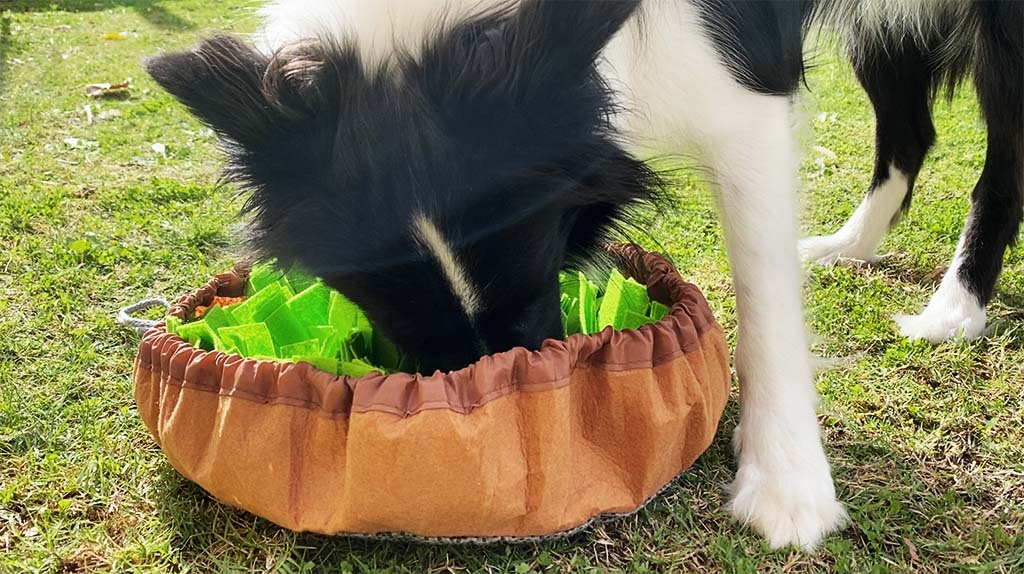
Mental stimulation is as important as physical exercise for this cross. Training sessions, puzzle feeders, scent work, and learning new commands all count. Given both parent breeds’ intelligence, a bored Bordoodle is genuinely a problem — they will find their own stimulation, and you won’t choose what that is.
Training approach
Positive reinforcement works exceptionally well for this cross. Keep sessions short, varied, and genuinely engaging — a repetitive session bores them, and a bored Bordoodle mentally clocks out. They respond well to owners who are playful and inventive with training. If you find yourself being outsmarted, get support from a qualified trainer rather than attempting to out-stubborn them.
Suitable activities
Agility, flyball, advanced obedience, heelwork to music, and disc dog are all activities this cross typically excels at. The combination of Border Collie athleticism and Poodle trainability produces dogs that genuinely shine in competitive dog sports. Even if you’re not interested in competition, structured activities give their drive a positive outlet.
Grooming & Coat Care
Grooming is one of the more significant ongoing commitments of Bordoodle ownership — and one that’s often underestimated by first-time doodle owners.
✂️ Grooming Requirements
- Brushing: The wavy or curly coat mats easily, particularly behind the ears, under the collar, and in the armpits. Brush 3–4 times per week minimum — daily during coat changes or for dogs that swim regularly. A slicker brush and metal comb are the essential tools.
- Professional grooming: Every 6–10 weeks for a trim, depending on coat length preference. This is an ongoing cost — budget for it before getting a Bordoodle.
- Bathing: Every 4–6 weeks, or after muddy outdoor sessions. Their coat holds onto dirt less than some breeds, but regular bathing prevents skin issues.
- Ear cleaning: Poodle-influenced ears are prone to moisture retention and ear infections. Check and clean ears regularly, particularly after swimming.
- Shedding: Variable — dogs with more Poodle coat shed minimally; dogs inheriting more Border Collie coat will shed more noticeably. The hypoallergenic claim applies only if the Poodle coat truly dominates, which is not guaranteed.

Image: Canva Pro
Health & Life Expectancy
Bordoodles are generally healthy with a life expectancy of 12–15 years. As a crossbreed they may benefit from hybrid vigour, but both parent breeds carry some heritable conditions worth knowing about.
🏥 Health Considerations
- Hip dysplasia: Common in both Border Collies and Poodles. Ask for hip scores on parent dogs from reputable breeders. Signs include stiffness, reluctance to exercise, or an unusual gait.
- Eye conditions: Border Collies carry genes for Collie Eye Anomaly (CEA) and Progressive Retinal Atrophy (PRA). Reputable breeders should DNA test parent dogs for these conditions. Ask for test results before purchasing.
- Epilepsy: Border Collies have a higher-than-average incidence of epilepsy. This can pass to the cross. Ask breeders about family history.
- Bloat (GDV): Standard Poodles are a higher-risk breed for bloat. Avoid exercise immediately after meals, use a raised bowl, and know the signs.
- Merle breeding risks: Double merle dogs (bred from two merle parents) have a high incidence of blindness and deafness. If you’re considering a merle Bordoodle, confirm only one parent is merle.
- Skin and coat: Some Bordoodles inherit skin sensitivities. Monitor for itching, recurring ear infections, or hot spots, which can indicate food or environmental allergies.
Is a Bordoodle the Right Dog for You?
Bordoodles are wonderful dogs in the right home. In the wrong home, their intelligence and energy become significant problems. Here’s an honest set of questions to work through before committing.
🤔 Ask Yourself These Questions First
Can you provide daily active exercise and mental engagement?
Not occasionally — consistently. A Bordoodle that’s adequately exercised and mentally stimulated is a calm, manageable, genuinely wonderful companion. The same dog without that is a difficult one. If your lifestyle can support it, this cross rewards enormously. If it can’t, be honest before committing.
Are you prepared for the grooming commitment and cost?
Professional grooming every 6–10 weeks is a real ongoing expense. So is the brushing routine between appointments. Owners who underestimate this end up with matted, uncomfortable dogs and significant grooming bills to correct. It’s not optional — it’s the price of the coat.
Do you have experience with high-drive or intelligent breeds?
A Bordoodle is not an ideal first dog for someone with no prior dog ownership experience. Their intelligence means training mistakes are amplified quickly. If you’re newer to dogs, pairing ownership with a qualified trainer from day one makes a significant difference to how the first year goes.
Is someone home for most of the day?
Bordoodles are people-attached and do not do well with very long daily absences without a plan for that time. A dog walker, daycare, or a canine companion can help — but needs to be factored in from the start, not retrofitted after the dog has developed separation issues.
Where to Find a Bordoodle in Australia
🔍 Where to Look
- Reputable breeders: A good Bordoodle breeder will health-test both parent dogs (including DNA testing for CEA and PRA from the Border Collie parent), allow you to meet the parents, and ask you questions about your lifestyle. Expect to pay $1,500–$3,500, wait for a litter, and be placed on a waitlist. These are all good signs. Breeders selling immediately without questions warrant caution.
- Breed-specific groups: Facebook groups for Bordoodle owners in Australia are a useful resource for breeder recommendations from existing owners with direct experience.
- Rescue organisations: Doodle rescues do exist, though Bordoodles are less common in rescue than some other crosses. Search via the Savour Life website or contact doodle-specific rescue groups.
- Your vet or local trainer: A vet or trainer who works with Bordoodles regularly will often have useful recommendations for reputable breeders in your area — worth asking before you start searching online.
Frequently Asked Questions About Bordoodles
❓ Common Questions
How big does a Border Collie x Poodle grow?
Bordoodles can grow to approximately 43–56cm in height and weigh anywhere from 9–30kg at maturity. Size varies significantly depending on whether the Poodle parent was a Standard or Miniature — Standard Bordoodles are considerably larger than Mini Bordoodles. Ask which size Poodle was used when enquiring about a litter.
How much does a Border Collie x Poodle cost in Australia?
On average, a Bordoodle in Australia costs $1,500–$3,500 from a reputable breeder. Breeders with health-tested parents, a track record of well-socialised litters, and a waitlist tend to charge toward the higher end — and for good reason. Extremely cheap Bordoodles or those available immediately without screening often indicate less responsible breeding practices.
Do Bordoodles bark a lot?
It varies by individual. Poodles are generally less prone to excessive barking, while Border Collies can be more vocal. Many Bordoodles are relatively quiet when adequately exercised and stimulated; some inherit the Border Collie’s tendency to vocalise. Early training, adequate exercise, and not inadvertently rewarding barking will determine this more than genetics alone.
Are Bordoodles good pets?
Yes — for the right family. They are intelligent, energetic, and affectionate dogs that make exceptional companions for active households willing to invest in training and exercise. It is recommended to research the breed thoroughly and speak to breeders, existing owners, vets, and professional trainers before committing — this is a high-engagement breed, and knowing what you’re signing up for matters.
Are Bordoodles easy to train?
They are highly trainable — both parent breeds are known for intelligence and responsiveness. However, there’s a legitimate risk that your Bordoodle will outsmart you if you’re not consistent and engaging in your approach. Short, varied, positive training sessions work best. If you find the training challenging, a qualified trainer will make a significant difference.
What are the negatives about Bordoodles?
They require significant mental and physical exercise to stay happy and well-behaved. They can be prone to hip dysplasia and eye conditions inherited from both parent breeds. Shedding and hypoallergenic status vary and are not guaranteed. Their coat requires regular professional grooming. Training can be challenging due to their intelligence and stubbornness if not approached consistently. These are not dealbreakers for the right owner — but they’re worth understanding clearly before committing.
Are Bordoodles aggressive?
Aggression is not a common trait in the breed. Like all dogs, aggression can result from fear, insecurity, lack of socialisation, or in rare cases genetic predisposition — but it is not characteristic of well-bred, well-socialised Bordoodles. With proper training and socialisation from puppyhood, most are friendly, confident, and well-mannered. If you have concerns about behaviour, consult a qualified vet or professional dog trainer.
How smart are Bordoodles?
Very. Both parent breeds are ranked among the most intelligent dogs in the world — Border Collies at #1 and Poodles at #2 in Stanley Coren’s intelligence rankings. The cross reliably inherits high intelligence from both sides. This is both their most remarkable quality and the source of most of their challenges as pets.
Is a Bordoodle a high maintenance dog?
Yes — compared to most breeds. To keep a Bordoodle healthy and happy requires plenty of daily exercise and mental stimulation, regular grooming, consistent training, and meaningful daily interaction. They are not suitable for households that want a low-effort companion. That said, for owners who embrace their high-engagement nature, Bordoodles are incredibly loving, loyal, and genuinely remarkable dogs to live with.
Do Border Collie x Poodle dogs shed?
It depends on the individual dog’s genetics. Poodles are considered low-shedding and often described as hypoallergenic, while Border Collies shed moderately. Bordoodles can fall anywhere on that spectrum — some shed very little, others shed noticeably. The hypoallergenic label is not guaranteed in a mixed breed. If allergies are a concern, spending time with the specific dog before committing is the only reliable way to assess your reaction.