
Disclosure: Dogs of Australia is reader-supported. When you buy through links on our site, we sometimes earn an affiliate commission at no added cost to you. Learn more
Finding dog agility equipment in Australia can be surprisingly tricky, especially for beginners training at home. Local clubs are still the best place to ask for professional-grade supplier recommendations. For hobby training in the backyard, the options below cover what to buy, what to avoid, and where stock is usually available in Australia or with shipping to Australia.
Quick Picks: Best Dog Agility Equipment
Before investing in equipment, here’s some honest advice: most online agility products are budget-quality and work best for small dogs. They’re lightweight and can be flimsy, but fine for getting started at a reasonable price. For better value, check our dog parks with agility equipment map to practice for free, browse Facebook Marketplace for secondhand gear, or explore YouTube DIY tutorials.

🏆 BEST STARTER SET
Indoor Dog Agility Training Kit
Perfect for beginners and apartment training. Includes collapsible tunnel, 4 weave poles, and an adjustable jump that converts into 2 additional poles. Everything you need to start agility training at home without overwhelming your dog.
Great for: New to agility, indoor training, puppies learning foundations
From $44 – $65
BEST TUNNEL
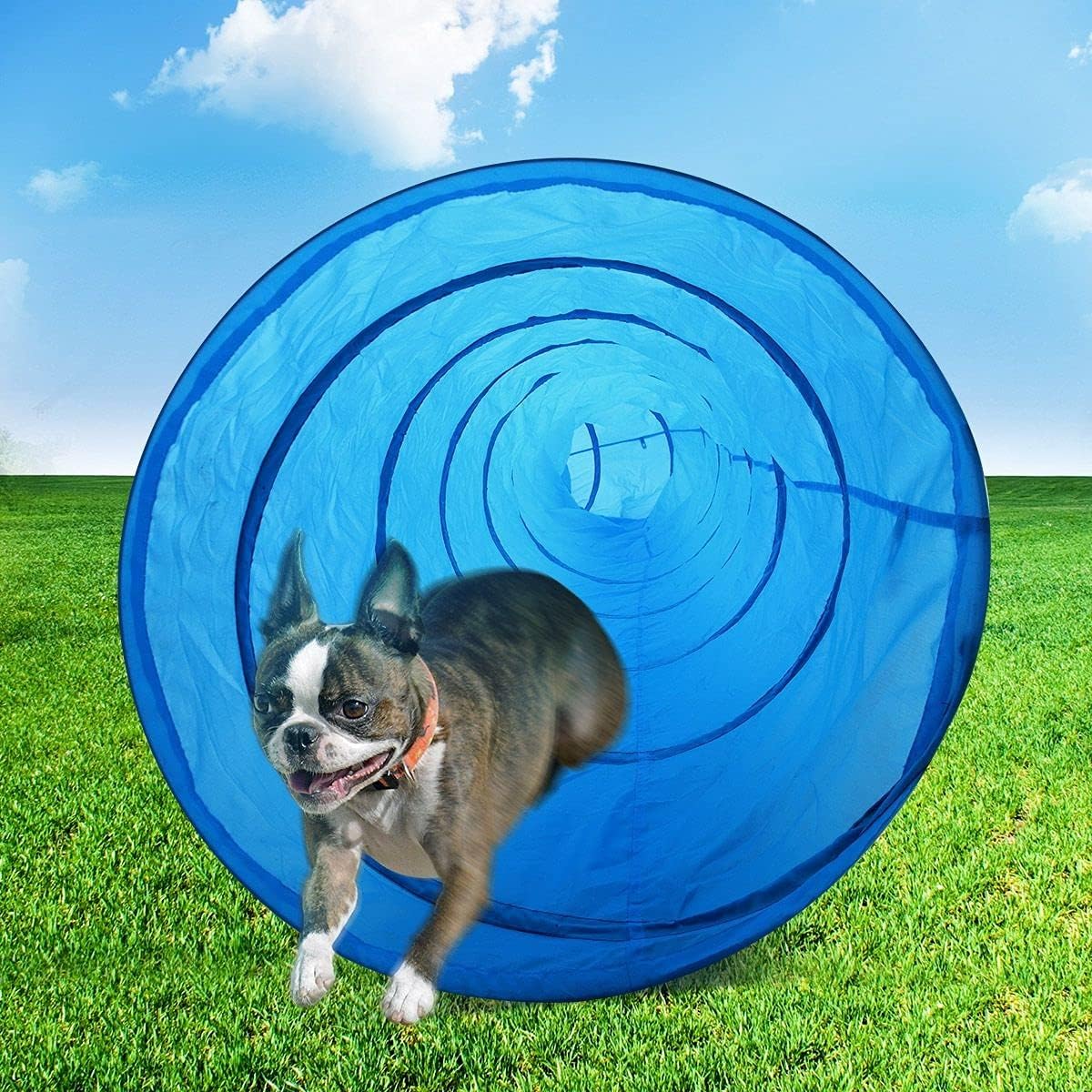
5.5M Professional Agility Tunnel
Spring steel construction resists tearing during training. Includes ground stakes for stability and carry bag for transport. Suitable for all dog sizes.
From $65 – $129
BEST WEAVE POLES
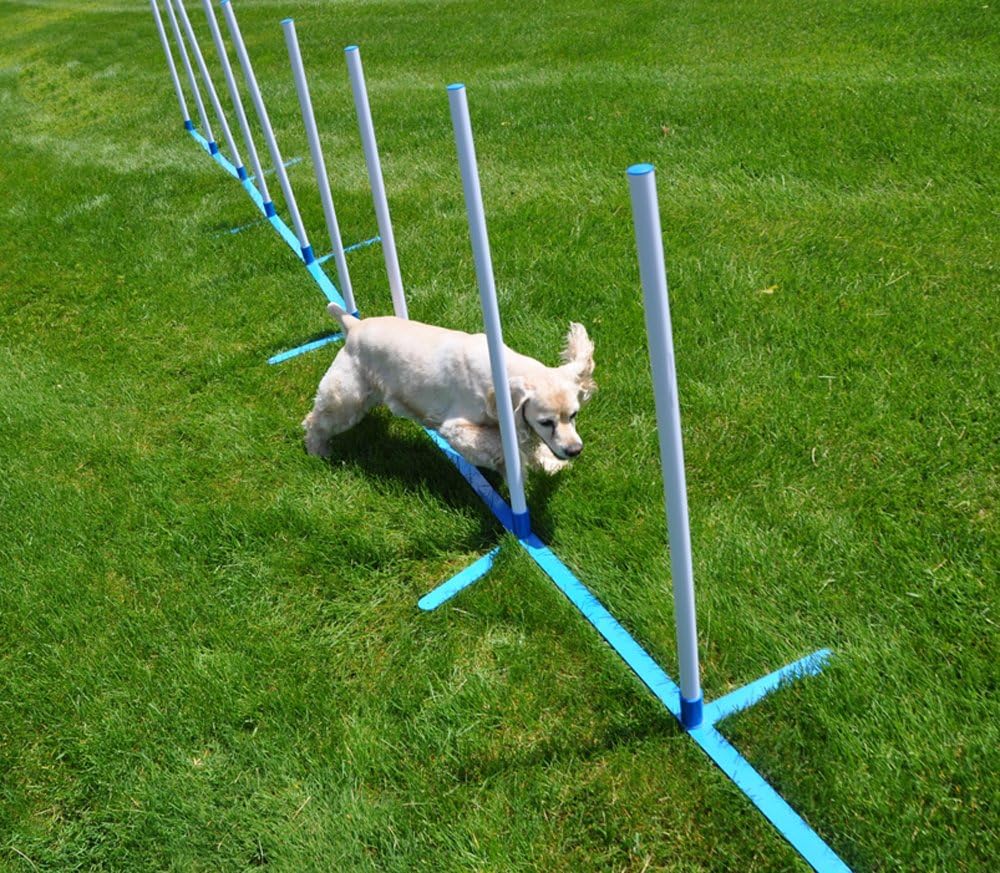
Adjustable Weave Poles Set
12 poles with adjustable spacing (45-60cm). Base-mounted for hard surfaces. Converts between straight and channel configurations for progressive training.
From $45 – $65
LEARNING RESOURCE
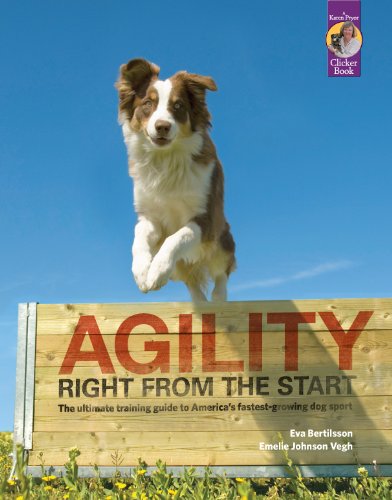
Agility Training Foundation Guide
Step-by-step foundations by Emelie Johnson Vegh & Eva Bertilsson. Widely praised for clear instructions. Essential reading for beginners. Available in print and digital.
From $10 – $61
Types of Dog Agility Equipment
Not all agility equipment is created equal. Some obstacles are perfect for backyard training, while others require serious space and commitment. Understanding what each piece of equipment does (and whether you actually need it) helps you build a course that matches your goals and your dog’s skill level. Here’s a breakdown of the standard obstacles you’ll see in agility courses, from beginner-friendly to competition-grade.
🏃 Standard Agility Obstacles
Tunnels
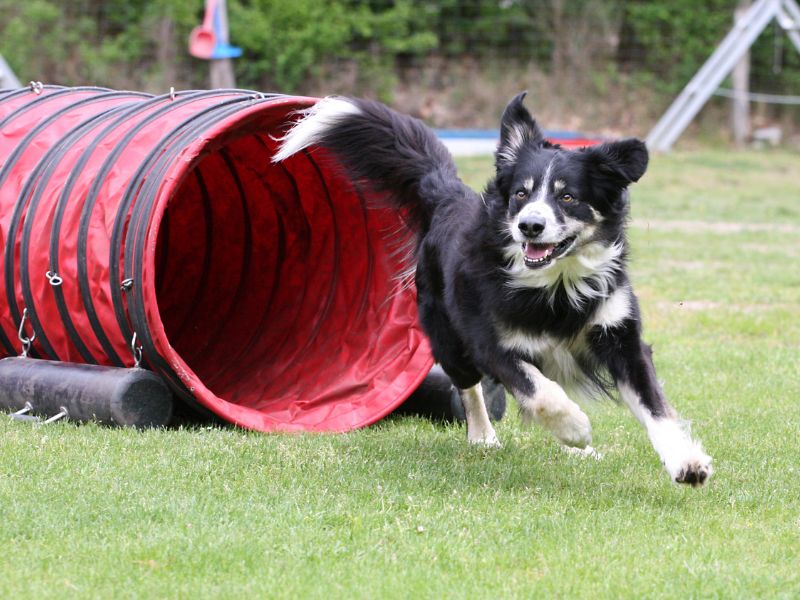
Collapsible tubes dogs run through. Most popular home equipment and universally loved by dogs.
Best for: Building confidence, speed training, all skill levels
- Standard length: 3-6 meters
- Needs ground stakes for stability
- Portable and easy to store
- Dogs typically love tunnels immediately
Weave Poles
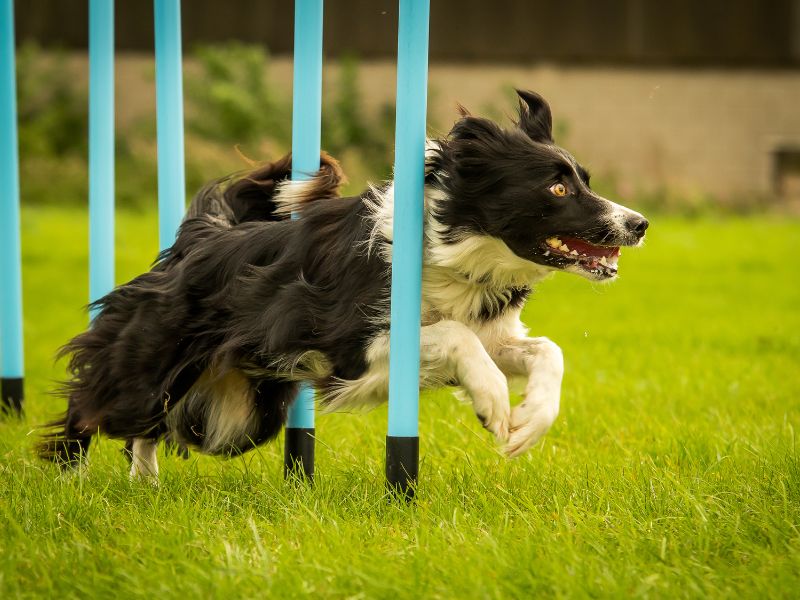
Series of upright poles dogs weave through in a slalom pattern. Most challenging obstacle to master.
Best for: Advanced training, coordination, competition preparation
- Standard spacing: 60cm apart (45-50cm for small dogs)
- Start with 6 poles, build to 12 for competition
- Takes weeks or months to learn properly
- Requires patience and consistent training
Jumps
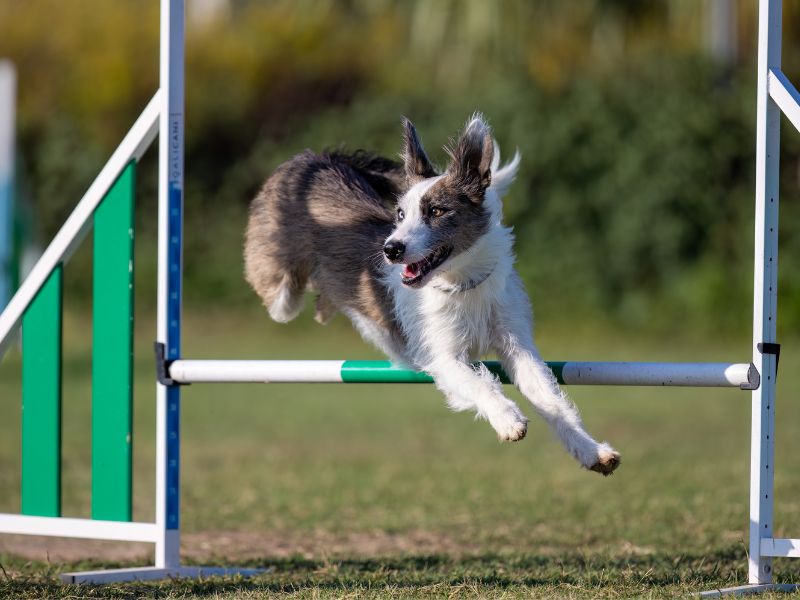
Adjustable hurdles in various styles (single bar, tire, panel). Core agility skill.
Best for: All skill levels, easy to make DIY, fundamental training
- Adjustable heights for progressive training
- Lightweight and highly portable
- Easy DIY project with PVC pipes
- Start low (10-15cm) and increase gradually
Dog Walk
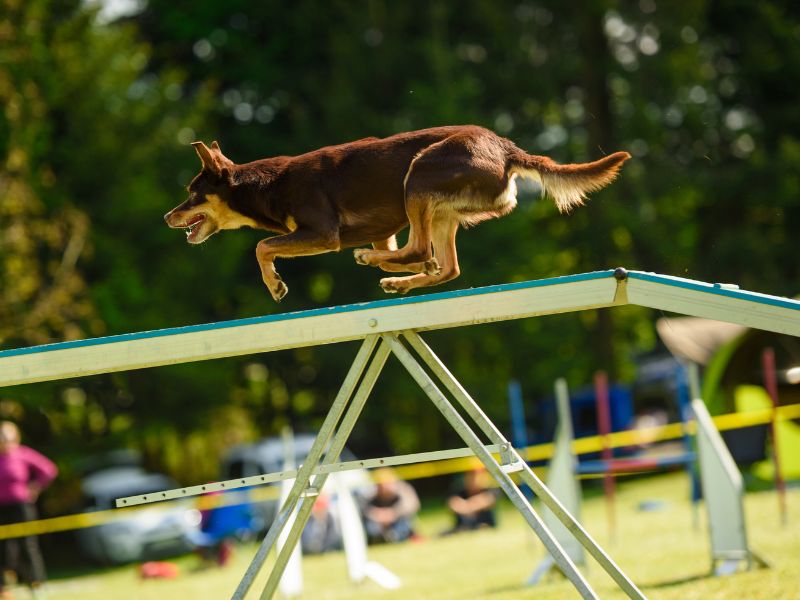
Elevated plank dogs walk across. Advanced contact obstacle requiring balance and confidence.
Best for: Competition training, balance work, experienced dogs only
- Requires significant outdoor space
- Heavy and usually permanent installation
- Not recommended for beginners or puppies
- Professional instruction recommended
A-Frame
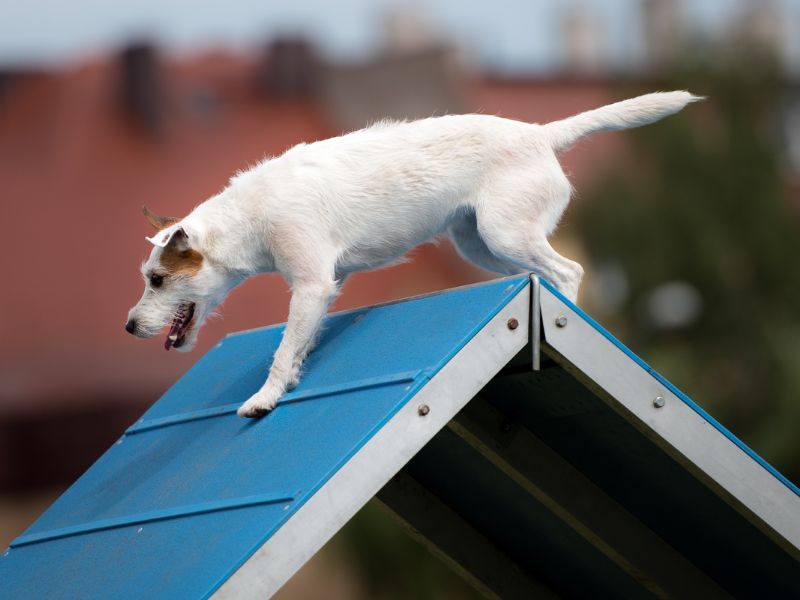
Two angled ramps forming an ‘A’ shape. Contact zone obstacle dogs must touch at entry/exit.
Best for: Serious training, large outdoor spaces, competition preparation
- Largest and most expensive backyard obstacle
- Requires proper assembly and safety checks
- Height adjustable on quality models
- Join a club for access rather than buying
Which Dog Agility Equipment Do You Need?
Your situation matters more than having every obstacle available. A complete beginner with an energetic puppy needs different equipment than someone preparing for their first competition, and apartment dwellers have different constraints than those with sprawling backyards. If you want to try agility before investing in equipment, check out dog parks with agility equipment across Australia. Many have free courses you can use to practice. Here are the most common scenarios and what actually works for each one.
🎯 Choose Based on Your Situation
Just Starting Out (Beginner)
Get a starter kit with tunnel, weave poles, and jump. These three obstacles teach fundamental skills without overwhelming you or your dog. The Indoor Agility Training Kit shown above is perfect – it’s everything you need in one package. Focus on fun, not perfection.
Training in an Apartment
Focus on compact equipment: small tunnel (3-4 meters), collapsible jumps, and 4-6 weave poles. Set up in living room or hallway when training, then store flat when done. Avoid heavy contact obstacles like A-frames. Indoor agility is surprisingly effective!
Large Backyard Space
Build a full course progressively: start with tunnel and jumps, add weave poles after a few months, then consider a pause table. If you’re serious about training, permanent installations like A-frame or dog walk are possible, but join a club first to ensure proper setup.
Puppy Training (Under 12 Months)
Stick to ground-level obstacles only: low tunnels, target training mats, and ground poles for jumping practice (no actual jumps). Avoid any jumping over 10cm or contact obstacles until growth plates close (12-18 months depending on breed size). Patience now prevents injuries later.
Preparing for Competition
Invest in regulation equipment: 12 weave poles at proper spacing (60cm), contact obstacles (A-frame, dog walk, see-saw), variety of jump styles. However, joining a local club is often better than buying everything – access to full courses plus professional instruction. Most competitors train at clubs.
DIY on a Budget
Make jumps from PVC pipe ($20-40 at Bunnings), use children’s play tunnels from Kmart ($30-50), create weave poles from garden stakes or pool noodles on stakes. YouTube has excellent DIY tutorials. Critical: focus on safety with smooth edges, stable bases, and proper ground surface.
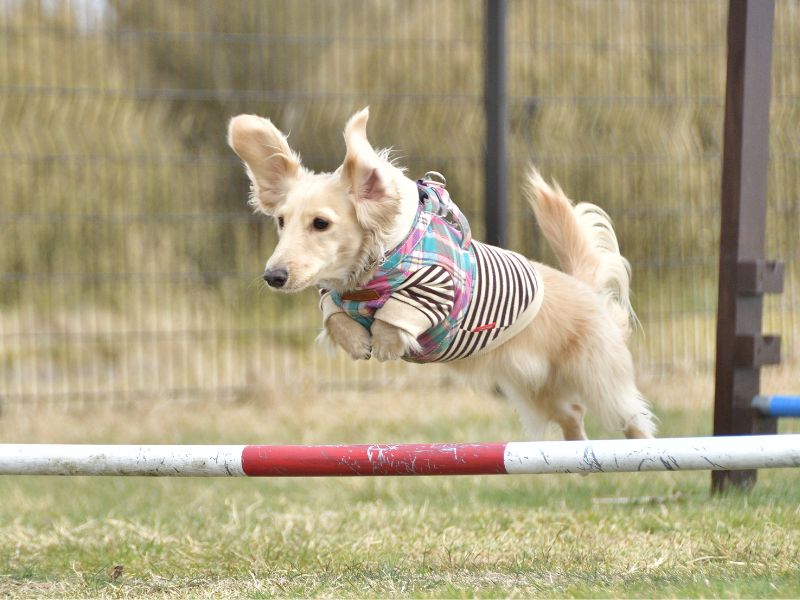
Where to Buy Dog Agility Equipment in Australia
Finding quality agility equipment in Australia used to be genuinely difficult. Most suppliers were overseas, shipping was expensive, and local options were sparse. The situation has improved, but here’s what you need to know: most online agility products are budget-quality at best.
You get what you pay for, and the lightweight equipment available through major retailers works best for small dogs. It’s fine for getting started, but don’t expect competition-grade quality.
Before spending money, check our dog parks with agility equipment map to practice for free, browse Facebook Marketplace for secondhand gear, or watch YouTube tutorials for DIY projects.
🇦🇺 Australian Buying Guide
Online Retailers
- Amazon Australia: Widest selection, fast shipping to metro areas, competitive prices. Best for starter kits and basic equipment. Stock levels improve every year as more sellers ship locally.
- eBay Australia: Mix of new and used equipment. Good for finding deals on professional-grade gear. Check seller ratings and shipping costs carefully.
- Pet Circle / Petbarn: Limited agility selection currently, but convenient if you’re ordering other pet supplies anyway. Occasionally stocks basic jumps and tunnels.
Specialist Suppliers
Ask Local Clubs: This is genuinely the best place to find professional-grade Australian suppliers. Many clubs have relationships with local manufacturers who don’t advertise online but make excellent competition-quality equipment. Clubs can also advise on setup and safety.
Know an Australian agility equipment supplier? Please share details via our contact form so we can add them to this guide. We’re building a comprehensive resource for the Australian dog community.
International Shipping
Some US/UK suppliers (like Clean Run, Max 200, J&J Dog Supplies) ship to Australia, but expect:
- High shipping costs due to bulky items ($100-300+ for large obstacles)
- 2-4 week delivery times (sometimes longer)
- Potential import duties on orders over $1,000 AUD
Usually only worth it for specialty competition equipment unavailable locally, or if you’re ordering for a club (split shipping costs).
DIY Materials (Bunnings, Spotlight, etc.)
- Bunnings: PVC pipes and fittings (jumps), timber for pause tables and weave pole bases, outdoor paint and weatherproofing. Staff can cut timber to size.
- Spotlight: Durable fabric for tunnel repairs or homemade options, grip tape for contact surfaces.
- Kmart / Target: Children’s play tunnels (budget option $30-50, works for small-medium dogs), storage solutions.
- Hardware stores: Ground stakes, sandbags (tunnel weights), rubber matting for surfaces.
Safety & Setup Tips
Agility training looks simple.. just set up some obstacles and let your dog run through them, right? Not quite. Poor setup, inappropriate surfaces, or age-inappropriate training can cause serious injuries, from muscle strains to permanent joint damage. These aren’t just “nice to know” tips, they’re essential practices that prevent accidents and keep training fun rather than dangerous.
💡 Pro Tips for Safe Training
🏗️ Setup & Environment
- Surface matters: Train on grass or rubber matting. Never on concrete, tiles, or hard surfaces (serious injury risk). Grass provides cushioning for jumps and grip for speed work.
- Space requirements: Leave clear run-up and run-off space around obstacles (minimum 2-3 meters). Dogs need room to approach and exit safely at speed.
- Australian weather considerations: Metal and PVC equipment gets dangerously hot in summer sun. Check temperature before training (touch test). Train early morning or evening in hot weather.
- Storage: Store equipment indoors or under cover when not in use. Australian UV is harsh – it weakens materials, fades colors, and reduces lifespan. Tunnels especially degrade quickly in sun.
🐕 Dog Safety
- Age-appropriate training: No jumping or contact obstacles for puppies under 12 months. Growth plates need to close first to prevent permanent joint damage. Ground-level obstacles only for pups.
- Start low and slow: Begin with jumps at absolute lowest height (5-10cm). Gradually increase difficulty as skills improve. Rushing causes bad habits and injuries.
- Warm up first: 5-10 minutes of gentle movement (walking, stretching) before agility training prevents muscle strains. This applies to dogs just like human athletes.
- One dog at a time: Never have multiple dogs on course simultaneously. This prevents collisions and keeps focus on the training dog.
🔧 Equipment Maintenance
- Secure tunnels properly: Use ground stakes or sandbags (Cool Runners style). Unsecured tunnels can collapse or shift when dogs accelerate through at speed, which frightens dogs and can cause injuries.
- Check equipment before each session: Loose screws, frayed fabric, wobbly bases, or sharp edges can cause injuries. Takes 2 minutes but prevents accidents.
How do you make DIY Dog Agility Equipment?
DIY can be cost-effective given limited Australian retail options. PVC jumps, homemade pause boxes, and simple practice weaves are common starter projects. Quality matters: smooth edges, stable bases, and safe surfacing reduce risk. There are lots of helpful YouTube videos on the topic.
Common Questions About Dog Agility Equipment
The same questions come up repeatedly when people research dog agility equipment — and for good reason. Here are the answers to the questions we hear most often.
❓ Frequently Asked Questions
What’s the best agility equipment for beginners?
Start with a basic kit that includes a tunnel, 4-6 weave poles, and an adjustable jump. This gives you variety without overwhelming your dog or breaking your budget. The Indoor Agility Training Kit shown above is perfect for beginners – it’s everything you need in one package around $100-150. After a few months, you can add more obstacles as skills develop.
Can I use children’s play equipment for dog agility?
Some children’s tunnels work well – pop-up play tunnels from Kmart or Target ($30-50) are popular budget options. Check stability and durability first, and secure them properly with stakes. Avoid equipment with small parts your dog could chew off. Children’s see-saws and slides are generally not suitable as they’re too lightweight and can tip unexpectedly.
How much space do I need for a home agility course?
Minimum 5×5 meters for basic training (tunnel and a few obstacles). For a more complete course with multiple obstacles and proper running space, aim for 10×15 meters. Even apartments can work with compact equipment – set up a tunnel in your hallway or living room, or use collapsible jumps that store flat.
Is agility equipment safe for puppies?
Only ground-level obstacles are safe for puppies under 12 months. Use low tunnels (collapsed to ground level) and target training. Absolutely avoid any jumping over 10cm or contact obstacles until growth plates close (12-18 months depending on breed size). Jumping too early causes permanent joint damage. Puppies can learn weave pole foundations using ground poles or channels.
Can small dogs use standard agility equipment?
Yes, but with adjustments. Jump heights should match dog size (start 5-10cm for toy breeds, 15-20cm for small breeds). Tunnels work for all sizes but secure them well – smaller dogs can get stuck if tunnels collapse. Weave poles should have closer spacing for toy breeds (45-50cm instead of standard 60cm). Pause tables need to be lower (20-30cm vs 50-70cm for large dogs).
How much does dog agility equipment cost in Australia?
Starter kits: $45-200. Individual tunnels: $80-150. Weave poles (set of 12): $150-300. Jumps: $50-100 each. Pause table: $100-200. Full basic home course: $300-500. Professional competition-grade full course: $2,000-5,000+. DIY options can reduce costs by 50-70% if you’re handy.
Do I need to join a club to do agility training?
Not required for backyard fun and basic training. However, clubs provide major benefits: access to full courses (A-frames, dog walks you wouldn’t buy), professional instruction to prevent bad habits, community support, and competition opportunities if interested. Most clubs offer beginner classes where you can try equipment before buying your own. Many serious competitors train primarily at clubs.
What’s the most important piece of agility equipment to buy first?
A tunnel. It’s the most popular obstacle in agility, works for all skill levels from puppies to advanced dogs, is relatively affordable ($80-150), dogs typically love tunnels immediately, and it teaches confidence and speed without injury risk. Start here, see if your dog enjoys agility, then add more obstacles. Many dogs who don’t like jumps still love tunnel work.