
If your Pug, French Bulldog or English Bulldog snores like a freight train, snorts constantly, or can’t manage a walk on a warm day, you’ve probably been told that’s just “how the breed is.” Often, it’s actually brachycephalic obstructive airway syndrome (BOAS), a real welfare issue, not a quirky trait. A team of Melbourne researchers has just published early results for a new injectable treatment aimed at it, and it’s worth understanding what the research actually shows before you get your hopes up.
The treatment is called Snoretox-1, developed by Melbourne biotechnology company Snoretox in collaboration with RMIT University. Here’s what changed, how the treatment works, and what it means if you own one of the breeds most affected.
📋 On This Page
- What Actually Happened — the research, in plain terms
- Why BOAS Is Such a Big Deal — the health issue behind the “cute” snoring
- How Snoretox-1 Actually Works — the science, simplified
- What the Results Showed — and what’s still unproven
- If You Own an Affected Breed — what’s actually worth doing now
- Can Your Dog Take Part in the Next Trial?
- Quick FAQ
- The Practical Takeaway
What actually happened
In April 2026, RMIT University announced early results from a small trial testing Snoretox-1 on British Bulldogs with BOAS. The therapy has been in development for more than 15 years, led by RMIT biotechnologist Professor Peter Smooker, with Snoretox Managing Director and RMIT Adjunct Professor Tony Sasse heading the commercial side.
The first published results of the study appeared in The Veterinary Journal, in a paper titled “Clinical observations of tetanus toxin plus decoy, Snoretox-1, a novel targeted neuromuscular stimulant, in a pilot study of 6 British bulldogs with BOAS”. It’s a small, early-stage study, six dogs, not a finished product you can ask your vet for. But it’s the first real published data behind a treatment that’s been quietly in development for over a decade.
Why BOAS is such a big deal
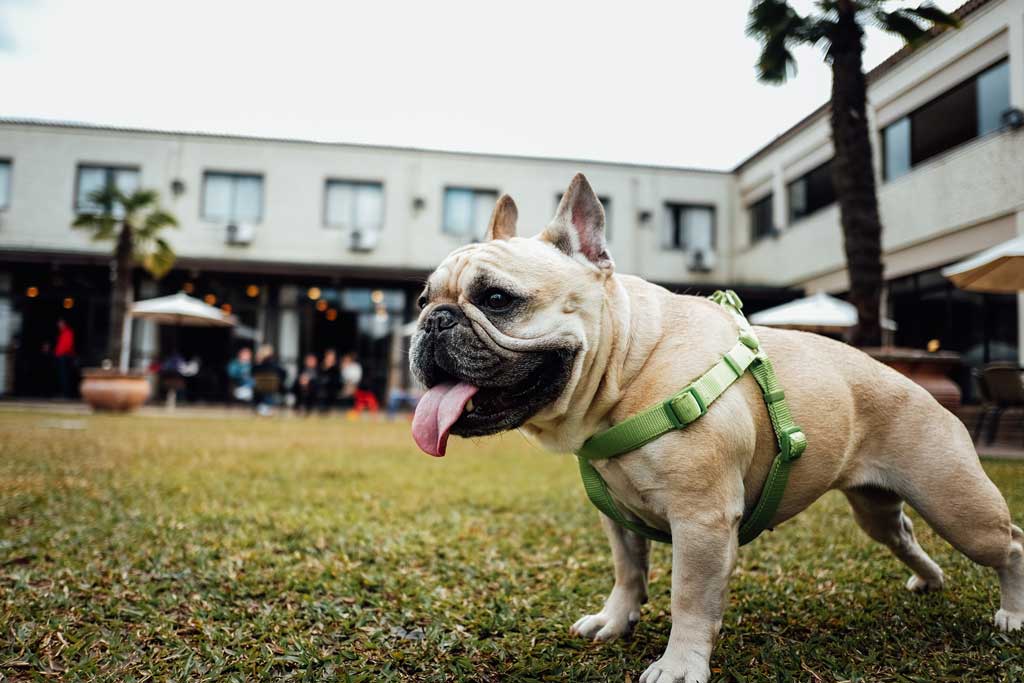
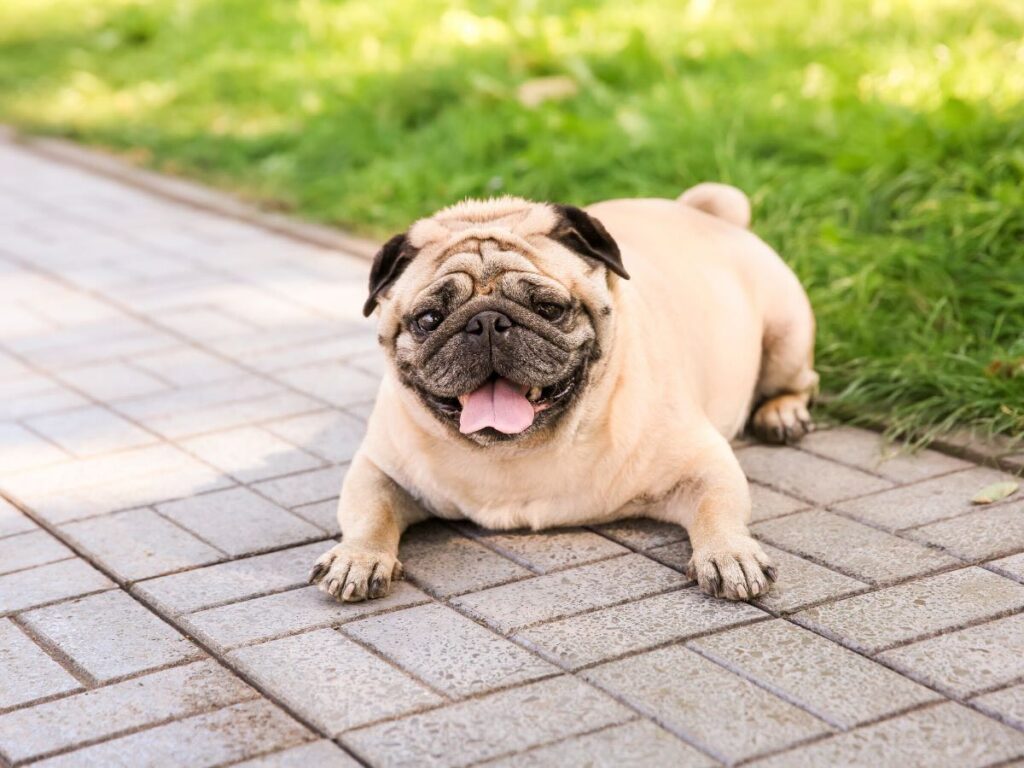
BOAS affects almost half of all Pugs, French Bulldogs and British Bulldogs, according to Sasse. Decades of breeding for the flat-faced look packed the same amount of soft tissue into a shorter skull, and that excess tissue can crowd the airway and restrict airflow. In severe cases, it’s been shown to shorten a dog’s life by up to four years.
Surgery, widening the nostrils and removing excess throat tissue, plus weight management, are currently the main treatment options. But the outcomes aren’t guaranteed. Sasse notes that up to 60 per cent of dogs still have breathing problems after surgery, and seven per cent don’t survive the procedure. That’s the gap Snoretox-1 is aiming at, either as an alternative to surgery or something used alongside it.
🐾 Signs Your Dog Might Be Struggling, Not Just “Snoring”
Loud breathing at rest
Snorting or rattling sounds even when your dog is calm and not exercising, not just after a walk.
Can’t manage normal exercise
Needing to stop and catch their breath on walks most dogs their size would handle easily.
Struggles in the heat
Overheating, excessive panting or distress on warm days, even with shade and water available. Flat-faced breeds are one of the highest-risk groups for heat exhaustion, see our guide on how hot is too hot for dogs.
Trouble eating or sleeping
Regurgitating food, or sleeping sitting up because lying flat makes breathing harder.
How Snoretox-1 actually works
Researchers describe Snoretox-1 as the opposite of Botox. Botox uses botulinum toxin to relax muscles. Snoretox-1 uses the muscle-toning properties of tetanus toxin (in a modified, targeted form) to make specific muscles stronger instead. It’s injected into the muscles in the floor of the mouth that support the throat and upper airway, aiming to improve muscle tone so the airway stays more open during breathing.
“In short-snouted breeds, the soft tissue in the upper airway hasn’t adapted to the shorter skull,” Professor Smooker said in RMIT’s announcement. “This leaves excess tissue crowded into a smaller space, where it can obstruct airflow. The therapy strengthens the muscles at the front of the airway, helping support the throat and maintain airflow during breathing.”
What the results showed
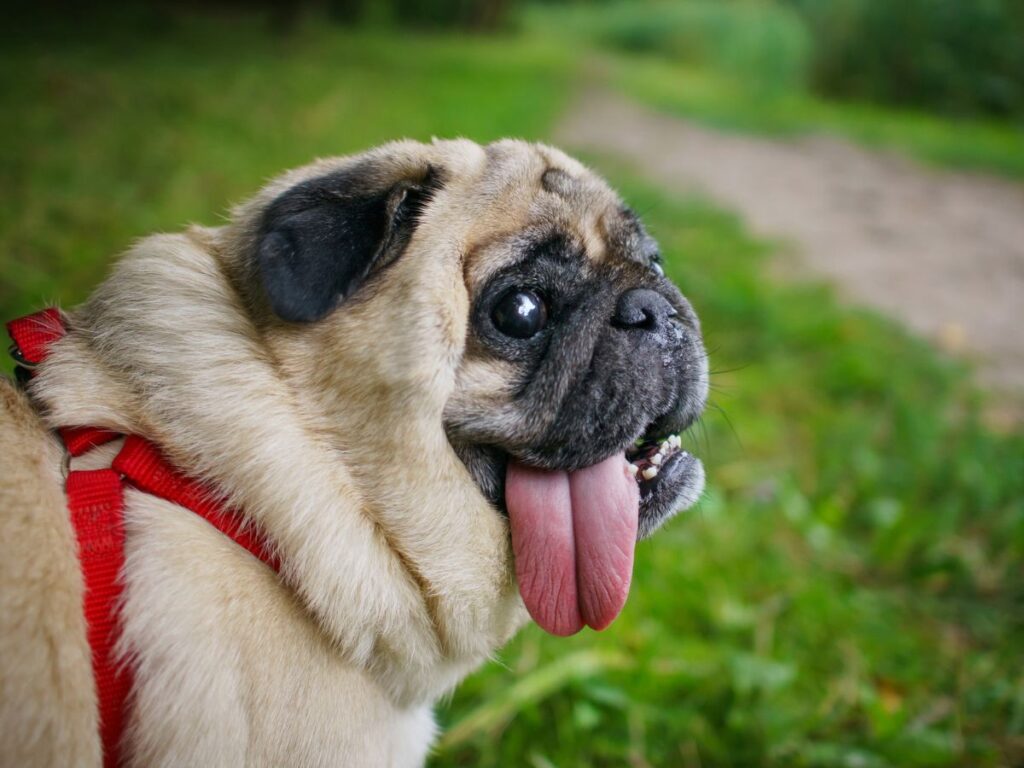
The pilot study involved six British Bulldogs with severe BOAS symptoms, dogs who struggled to complete a three-minute walk before treatment. After receiving Snoretox-1, all six were able to complete the walk more easily, with noticeably reduced breathing noise and effort. Some of the dogs in the trial hadn’t responded well to previous surgery, and still showed improvement.
According to the published study, the benefits of a single injection lasted anywhere from around five months to just over a year. There was one notable side effect: if the injection wasn’t placed correctly, some dogs had temporary difficulty eating, which the researchers linked to injection technique rather than the treatment itself.
Worth being upfront about: this is a genuinely small study, six dogs, and several of the study’s authors are affiliated with Snoretox, the company developing the treatment, which is a real conflict-of-interest risk worth keeping in mind. Independent, larger-scale research will matter a lot before anyone can say how safe or effective this is across different breeds and situations. Snoretox-1 also isn’t available outside clinical trials, and still needs further research and regulatory approval before it could be offered by vets more widely.
✅ If You Own an Affected Breed, Here’s What’s Actually Worth Doing Now
1. Get a proper BOAS assessment
Ask your vet for a functional grading assessment rather than relying on how “normal” the snoring sounds to you.
2. Manage weight and heat exposure
Extra weight and hot weather both make BOAS symptoms worse, and both are things you can actually control day to day.
3. Talk to your vet about existing options
Surgery and weight management remain the real, available treatments today. Don’t hold off on care while waiting on a treatment that isn’t available yet.
Can your dog take part in the next trial?
The research team is now planning a larger-scale trial. If you have a bulldog that snores, has interrupted breathing, or is generally sleepy and lethargic, you can register interest in taking part via Snoretox’s own volunteer page. Based on how RMIT has described it, this next round is specifically seeking bulldogs, not Pugs or other brachycephalic breeds, so check the criteria before assuming your dog qualifies.
❓ Common Questions
Can my vet prescribe Snoretox-1 right now?
No. It’s still in clinical trials and needs further research and regulatory approval before it can be offered more widely.
Is this the same thing as Botox for dogs?
No, it works in the opposite direction. Botox relaxes muscles using botulinum toxin. Snoretox-1 strengthens specific airway muscles using a modified form of tetanus toxin.
Would this replace surgery for BOAS?
Too early to say. The researchers suggest it could work as an alternative or alongside surgery, and some dogs in the trial who hadn’t responded well to surgery still improved, but that’s based on six dogs, not a large study.
Does this only apply to bulldogs, or Pugs too?
The pilot study only tested British Bulldogs. Pugs and French Bulldogs are affected by the same underlying condition, but there’s no published data yet on how Snoretox-1 performs in those breeds specifically.
The practical takeaway
💡 What This Actually Means for You Right Now
- Snoretox-1 isn’t available from vets yet, and won’t be for a while. Don’t delay real treatment for your dog waiting on it.
- Loud snoring and snorting in a Pug or Bulldog isn’t automatically “just the breed.” Get it properly assessed rather than assumed.
- If you have a bulldog with genuine symptoms, registering interest in the upcoming trial is a real, concrete option, not just something to read about.
- Treat the early results as promising, not proven. Six dogs and a company-linked research team is a reasonable start, not a conclusion.