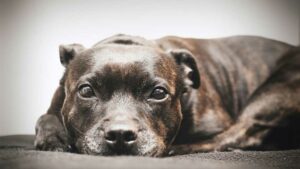

Cavoodles are one of Australia’s most popular breeds for good reason — they’re affectionate, adaptable, and genuinely love being around people. That last part is also what makes leaving them alone a real consideration. How long is too long to leave a Cavoodle home alone? And what can you actually do to make it easier on them?
The short answer: most adult Cavoodles can manage 4–6 hours alone, but there’s more nuance to it than that — particularly for puppies, and for dogs prone to separation anxiety.
⏱️ How Long Can a Cavoodle Be Home Alone?
The right amount of alone time depends heavily on your Cavoodle’s age. Here’s a quick reference:
📊 How Long Can a Cavoodle Be Left Alone by Age
| Age | Maximum Time Alone | Notes |
|---|---|---|
| 8–10 weeks | 1 hour | Needs frequent toilet breaks, not ready for alone time |
| 10–12 weeks | 2 hours | Bladder control still very limited |
| 3–6 months | 2–3 hours | Still developing, needs midday check-ins |
| 6–12 months | 3–4 hours | Gradually building independence |
| 1 year+ | 4–6 hours | Maximum for most Cavoodles — individual temperament matters |
| Senior (8+ years) | 4 hours max | May need more frequent toilet breaks and companionship |
🐾 How Long Can a Cavoodle Puppy Be Left Alone?
Puppies are a special case — and the most common source of mistakes when it comes to alone time. A young Cavoodle simply isn’t physically or emotionally ready to be alone for extended periods, for two reasons: their bladder can’t hold it, and they’re still forming their attachment patterns.
A useful rule of thumb for bladder capacity is one hour per month of age, up to a maximum of around 4–6 hours for adults. So a 10-week-old puppy (roughly 2.5 months) can realistically hold on for about 2–2.5 hours before needing a toilet break.
💡 Setting Up a New Cavoodle Puppy for Success
- Set up a safe, contained space (a puppy pen or crate) with water, a bed, and a toilet area — not free run of the house
- Leave a worn item of clothing with your scent — it genuinely helps anxious puppies settle
- Practise short departures first — even just stepping outside for 5 minutes — before building up
- A midday visit from a dog walker or family member is important during the first few months if you’re working full time
- Avoid long goodbyes — they signal to your puppy that your departure is a significant event worth worrying about

Adult Cavoodles: What to Consider
A well-adjusted adult Cavoodle can generally manage 4–6 hours alone, but this isn’t a universal number. Some Cavoodles are naturally more independent and settle easily when left. Others — particularly those with a strong attachment to one person, or those that haven’t been trained for alone time — struggle at the lower end of that range.
🐶 Factors That Affect How Well Your Cavoodle Copes
Individual Temperament
Cavoodles inherit traits from both the Cavalier King Charles Spaniel and the Poodle — both of which are people-oriented breeds. Some individuals are naturally more independent; others are velcro dogs that find any separation difficult. Get to know your specific dog rather than assuming breed averages apply.
How They Were Raised
A Cavoodle that was gradually trained for alone time from puppyhood will cope far better than one that was rarely left. If your Cavoodle has always had someone home, building alone time tolerance as an adult takes more time and patience but is absolutely achievable.
Exercise Before Leaving
A tired dog is a calm dog. A Cavoodle that’s had a good walk and play session before you leave will settle much more easily than one that’s been inside all morning with pent-up energy. This single habit makes more difference than almost anything else.
What’s Available to Them
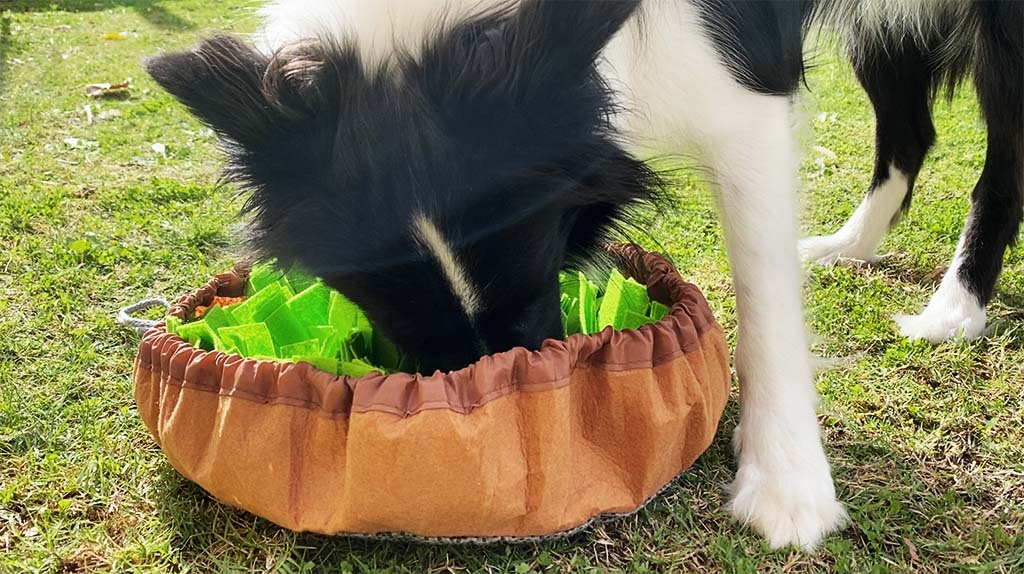
A Cavoodle left with nothing to do in an empty room will struggle. One left with a frozen Kong, a snuffle mat, and access to a comfortable resting spot will often just sleep. Enrichment matters enormously for how well dogs manage alone time.
Signs Your Cavoodle Is Struggling With Being Left Alone
Separation anxiety is common in Cavoodles given their companion dog genetics. It’s worth knowing what to look for — especially if you’ve recently changed your schedule or moved house.
⚠️ Signs of Separation Anxiety in Cavoodles
Destructive Behaviour
Chewing furniture, shoes, or household items — particularly near doors or exits. This is often a stress response rather than boredom, and tends to happen in the first 30 minutes after you leave.
Excessive Barking or Howling
Persistent vocalisation after you leave. Your neighbours may know about this before you do — it’s worth asking if you’re unsure. A camera at home can also help you see what’s actually happening.
Toileting Accidents
A house-trained dog that starts having accidents when left alone — despite being physically capable of holding on — is often doing so due to anxiety rather than a lack of training.
Excessive Greeting Behaviour
Frantic, over-the-top excitement when you return — more than just happiness to see you. This can indicate the dog has been highly stressed during your absence.
Pacing or Restlessness
Visible on a home camera — repetitive movement, inability to settle, following you from room to room in the time before you leave. Anticipatory anxiety often starts well before departure.
If you’re seeing consistent signs of separation anxiety, it’s worth consulting a professional trainer or behaviourist who can work through a structured desensitisation program with you. Separation anxiety tends to get worse, not better, without intervention.
✅ Before You Leave: The Checklist
Building a consistent pre-departure routine helps your Cavoodle know what to expect — and sets them up to settle quickly once you’re gone.
✅ Pre-Departure Checklist
Exercise First
- A walk or active play session before you leave is the single most effective thing you can do
- Even 20–30 minutes of physical activity significantly improves how well most dogs settle
- Combine with mental stimulation — a sniff walk or training session tires them out faster than a straight walk
Set Up Their Space
- Dog-proof the area they’ll have access to — remove chewable items, secure cabinets, close off rooms you don’t want them in
- Make sure fresh water is available
- Set up their bed or crate in a comfortable spot — ideally somewhere they already choose to rest
- A camera is worth setting up so you can check in and understand their actual behaviour when alone
Leave Enrichment
- A frozen Kong stuffed with peanut butter (xylitol-free) or plain yogurt gives them something engaging to focus on immediately after you leave
- A snuffle mat or puzzle feeder adds mental stimulation that can occupy them for 15–30 minutes
- Rotate enrichment items so they don’t lose novelty
- Low background noise — a radio or TV on low — can help some dogs feel less alone
Keep Departures Low-Key
- Avoid long, emotional goodbyes — they signal that your departure is something to worry about
- Equally, don’t make a big fuss when you return — calm greetings help keep arrivals and departures low-stakes
- Consistency matters: the same routine each time helps your dog predict what happens next, which reduces anxiety

Image: Sandy Millar on Unsplash
Training Your Cavoodle to Be Comfortable Alone
If your Cavoodle isn’t used to being left, building tolerance takes time — but it works. The key principle is gradual exposure: start with very short absences and increase the duration slowly, always returning before your dog reaches their anxiety threshold.
📋 How to Build Alone Time Tolerance
Start Tiny
- Begin with absences of just 1–2 minutes — literally step outside and come back
- Return before any signs of anxiety appear
- Gradually increase to 5 minutes, then 10, then 20, over days and weeks
- The goal is for your dog to learn that you always come back — and that being alone is no big deal
Build a Positive Association
- Only give a high-value treat (frozen Kong, special chew) when you’re about to leave — it becomes a signal that alone time is actually good
- Never punish anxious behaviour — it makes anxiety worse
- Keep your own energy calm and neutral around departure and arrival
Be Consistent
- Practice departures on weekends and days off, not just when you have to leave for work
- A dog that is only left alone on work days never fully adjusts — the routine needs to be regular
- If progress stalls or anxiety is severe, a professional behaviourist can make a significant difference
When You Need Extra Help
If you’re working full time and have a Cavoodle that can’t comfortably manage 8 hours alone (which is most of them), there are good Australian options for bridging the gap:
🐾 Options for Managing Long Days
Dog Walker
A midday visit from a dog walker breaks up the day, provides exercise and a toilet break, and gives your Cavoodle human interaction. Even 2–3 visits per week makes a significant difference. Ask friends, family, or neighbours first — or find a local walker through Madpaws or Pawshake.
Doggy Daycare
A good option for social Cavoodles who do well with other dogs. Full-day daycare 1–2 times per week is often enough to break up the week without overwhelming a dog that’s not used to it. Check that the facility has adequate supervision and reasonable group sizes.
Dog Sitter
For longer absences — travel, long days — a dog sitter who comes to your home or has your Cavoodle stay with them is less disruptive than kennels. Madpaws and Pawshake both operate across Australia with verified sitters and reviews.
A Second Dog
Not a solution for separation anxiety (an anxious dog usually transfers their anxiety to the relationship with the second dog), but for dogs that are simply bored or lonely rather than clinically anxious, a companion can help. Talk to your vet before going this route.
❓ Cavoodle Alone Time FAQs
Can a Cavoodle be left alone for 8 hours?
Most Cavoodles cannot comfortably manage 8 hours alone — and asking them to do so regularly is likely to cause or worsen separation anxiety. The recommended maximum for adult Cavoodles is 4–6 hours. If you work full time, a midday dog walker or 1–2 days of daycare per week is the most practical solution.
Do Cavoodles get separation anxiety?
Yes — Cavoodles are one of the breeds more prone to separation anxiety, largely because both parent breeds (Cavalier King Charles Spaniel and Poodle) are companion dogs bred to be with people. It’s not inevitable, but it does require deliberate training from a young age to prevent. Signs include destructive behaviour, barking, and toileting accidents when left alone.
How do I know if my Cavoodle has separation anxiety?
The clearest way is to set up a camera at home and watch what happens in the first 30 minutes after you leave. Separation anxiety typically manifests quickly — pacing, whining, barking, or destructive behaviour concentrated near the exit. If the behaviour stops after 30–60 minutes, it may be milder adjustment distress rather than true separation anxiety.
How often do Cavoodles need to be walked?
At minimum, one walk per day — but Cavoodles generally benefit from two shorter walks (morning and evening) plus playtime. They’re moderately active dogs that need regular exercise to stay physically and mentally healthy. A tired Cavoodle is a much calmer Cavoodle when left alone.
How long do Cavoodles sleep during the day?
Adult dogs sleep an average of 12–14 hours per day. A well-exercised Cavoodle will spend a good portion of the time you’re away simply sleeping — which is one more reason why a good walk before you leave is so valuable.
Is a Cavoodle a good dog if you work full time?
It depends on your setup. A Cavoodle can absolutely work with a full-time work schedule if you have a midday walker, use daycare occasionally, and put in the training for alone time. They’re not a good fit for someone who works long hours with no support and no willingness to arrange check-ins — but with the right setup, it’s very manageable.
The Bottom Line
Cavoodles are companion dogs at heart — they’re not built for long stretches of solitude. But with the right training, enrichment, and support, most Cavoodles can manage a normal working day without distress. The key is building that tolerance gradually, setting them up well before you leave, and arranging help for the days when the hours are just too long.