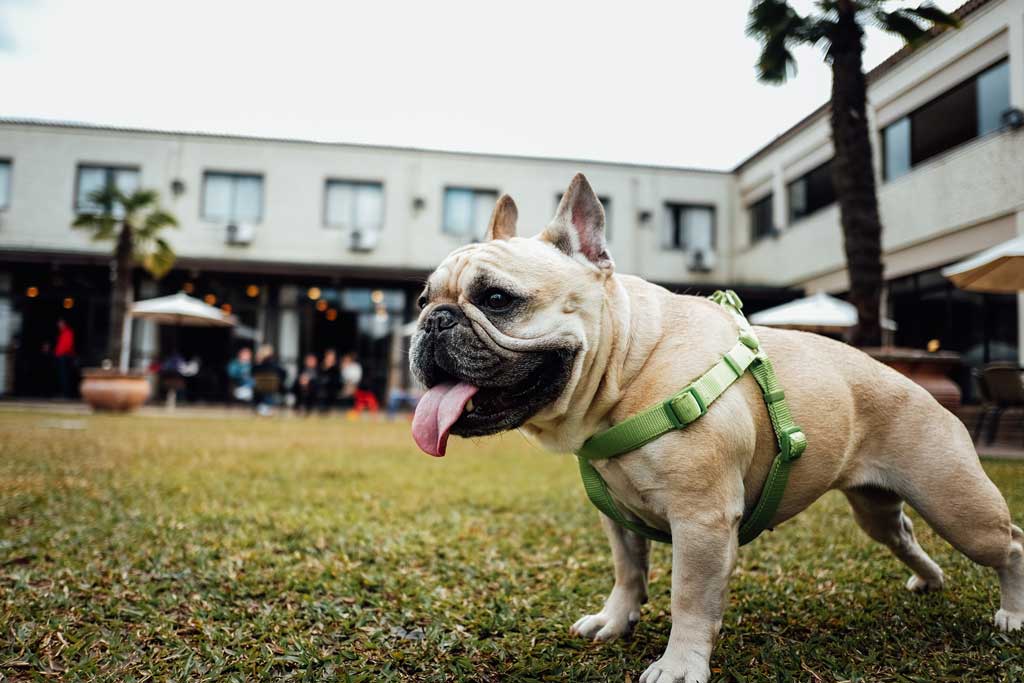

If your dog has recently stopped listening to you, is embarrassing you at the park, and acts like it never had a single training session in its life — there’s a good chance your puppy has just entered adolescence. It’s not you, it’s hormones. And it will pass.
This article covers the full life cycle of a dog, with a focus on the adolescent phase — what’s actually happening, how long it lasts, and how to get through it without losing your mind or your dog.
The Life Cycle of a Dog
🐾 The Four Stages
🐶 Puppyhood
From birth until adolescence begins — typically around six months of age. The stage most people romanticise before they get there.
Ends: Around 6 months
😤 Adolescence
The rebellious phase. Your dog’s brain is temporarily offline. Usually ends somewhere between 12 months and 3 years — varies significantly by breed and individual dog.
Duration: 6 months to 3 years
😌 Adulthood
The good times. Your dog has grown into the calm, reliable companion you were promised. This is what you’re working toward.
Starts: After adolescence ends
🐕 Senior
Dogs are generally considered seniors from around 6–7 years old, though this varies with breed and size — larger breeds tend to age faster than smaller ones.
Starts: Around 6–7 years
How to Tell If Your Puppy Has Reached Puberty
A dog’s puberty phase typically runs from around six months to 12–18 months of age, though this varies by breed. Small breeds often mature faster than large breeds, and individual variation is real — some dogs are simply born more mature than others.
In practice, it’s usually not hard to tell. If your dog has stopped coming when called, is doing things it was never allowed to do before, and appears to have forgotten every training session you’ve ever had — you’re in it.
📊 Worth Knowing
Most dogs surrendered to shelters are between 5 months and 3 years of age — which maps almost exactly onto the adolescent phase. It’s not that these dogs were fundamentally broken; it’s that the adolescent phase is genuinely hard, owners weren’t prepared for it, and they gave up too soon. Knowing this in advance makes a real difference. Hang in there — consistent training and time are the answer.
What Is an Adolescent Dog?
An adolescent dog is in the phase between puppy and adult — old enough to have energy and opinions, not old enough to have judgment. The hormones have taken over, and the part of the brain that previously responded reliably to your commands is temporarily unavailable.
During this phase, dogs often become more active, develop selective hearing, may start reacting to things that never bothered them before, and will test boundaries in ways that feel personal but aren’t. They don’t do it to annoy you — they genuinely can’t help it right now.
You may also notice your dog is inconsistent — perfectly manageable one day, a complete nightmare the next. This is normal. Their development is uneven, not linear.
How to Handle the Adolescent Phase
💡 Practical Tips for Each Challenge
Calming an Overstimulated Dog
Adolescent dogs are often on high alert and react to things they previously ignored. When your dog is aroused, they genuinely can’t listen well — it’s not defiance. Interrupt play or stimulation regularly and ask for a few calm commands before letting them continue. This practises the skill of settling on cue, which pays off enormously in adulthood. If you notice yourself getting frustrated, step away — a frustrated owner makes an overstimulated dog worse.
Socialising Safely
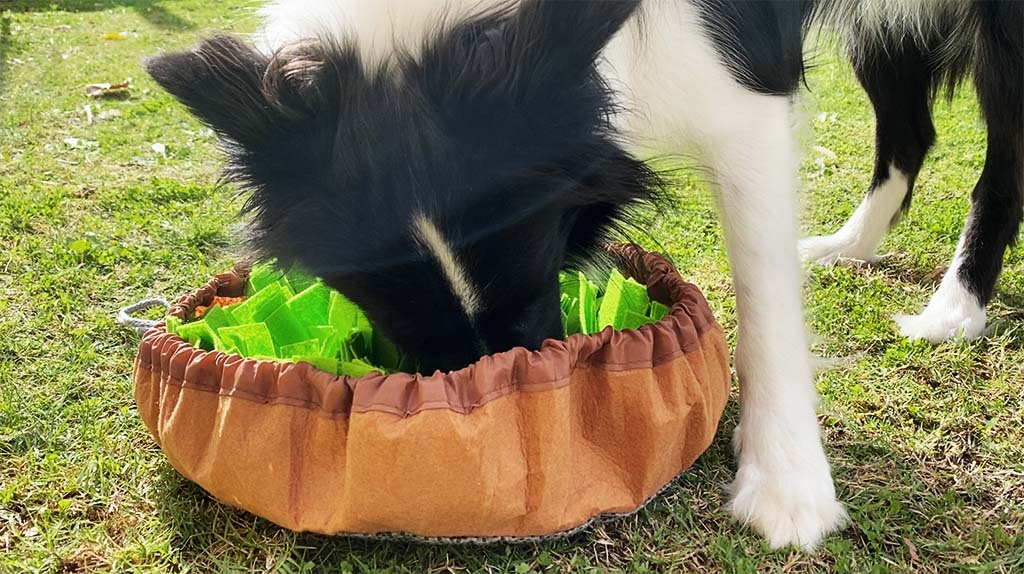
Adolescent dogs often overstep social boundaries with other dogs — playing too rough, not reading signals, getting themselves into trouble. If your dog is going through a difficult patch, limit interactions to dogs they already know and get along with reliably. Letting your dog repeatedly get corrected by other dogs for bad social behaviour can make them associate other dogs with conflict. Protect that relationship. Keep them busy at home with enrichment activities until they’re more stable.
Managing the Chewing
Dogs teethe during part of adolescence — the urge to chew is genuine and largely uncontrollable. The approach is management and redirection rather than punishment. Give them plenty of appropriate chew items (good quality chew toys, edible chews, marrow bones). Don’t give unsupervised access to rooms with things you care about. Exercise them both physically and mentally — a tired dog chews less. Chew-stop sprays work for some dogs but not all.
Training Through It
If your dog seems to have forgotten everything, go back to basics and start again — consistently and without frustration. Short, frequent sessions work better than long, exhausting ones. Keep your expectations realistic: they will have good days and bad days. Seek out a qualified trainer if you’re stuck. Research shows that punishing dogs after the fact is ineffective — they don’t connect the punishment to the earlier behaviour the way we assume they do.
Training and Leash Tips
If your dog’s recall has disappeared, put them back on a long leash until it’s reliable again. A 15m training lead gives your dog freedom while keeping you in control — useful for practising recalls in the park without the risk of your dog ignoring you and running off.
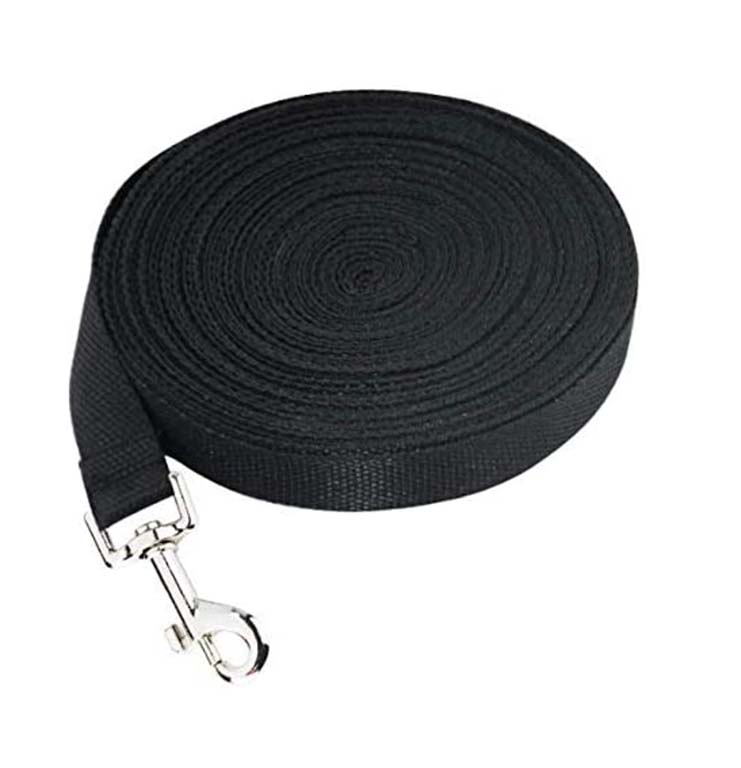
15m long dog training leash with stainless steel quick release clip →
If you’re walking an adolescent dog that pulls, a warning sleeve on the lead lets other owners and dogs know your dog is in training — useful for managing social situations while you work on the behaviour.
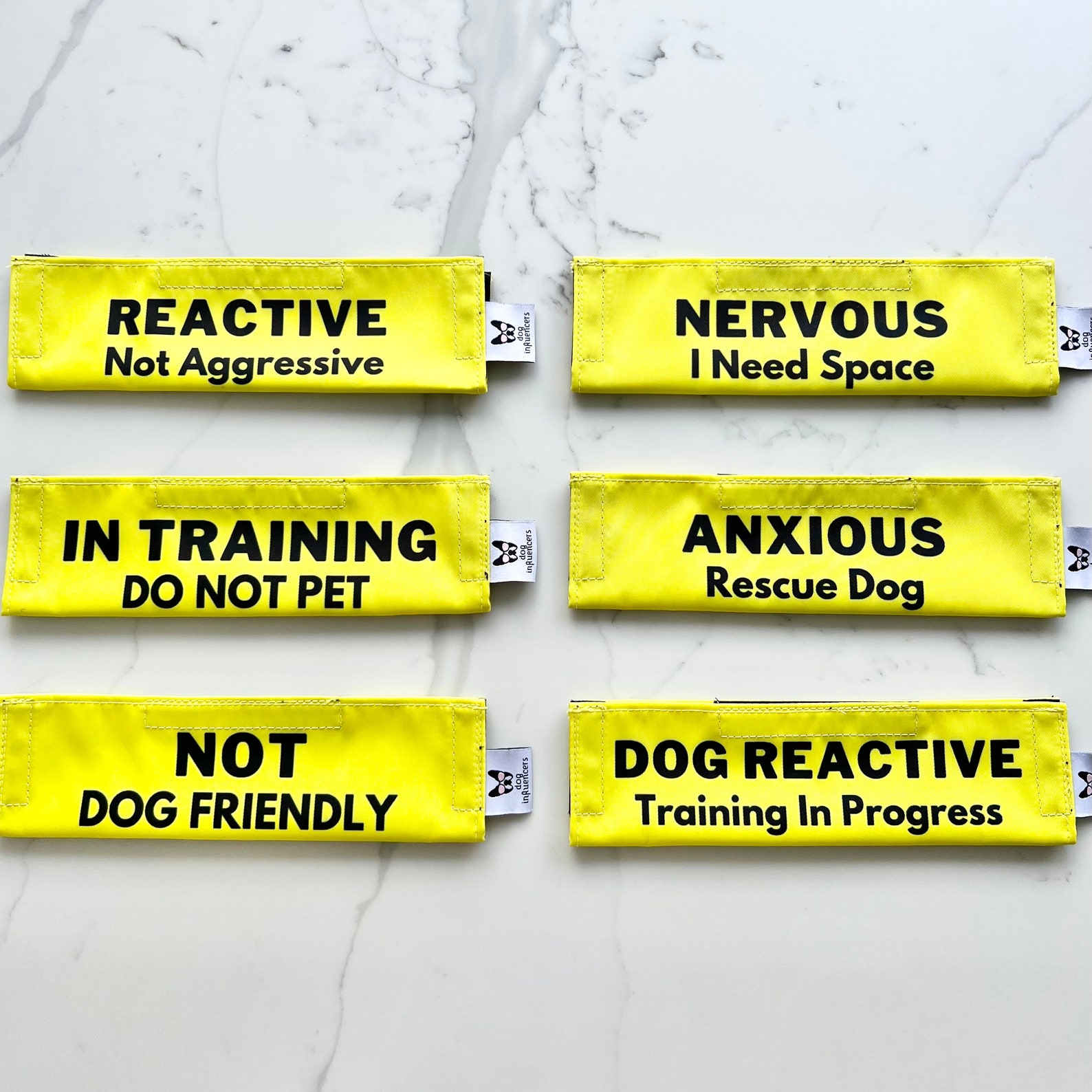
In-training warning leash sleeves, ships from Sydney →
Frequently Asked Questions
❓ Dog Life Cycle FAQ
How long does the adolescent phase last in dogs?
Typically from around 6 months until somewhere between 12 months and 3 years, depending on breed and individual dog. Smaller breeds tend to mature faster. Some dogs are still acting like puppies past two years old — this is within the normal range, frustrating as it is.
Do dogs know when they’re misbehaving?
Not in the way humans do. Dogs don’t plan ahead or understand consequences the way we do — what looks like guilt is usually a stress response to your body language, not actual remorse about what they did. Punishing a dog after the fact (even a few minutes later) is largely ineffective because they can’t make the connection. Consistent, immediate redirection during the behaviour is far more useful than correction after it.
When is a dog considered a senior?
Generally around 6–7 years old, though breed size matters significantly. Large and giant breeds tend to age faster and may be considered senior from 5–6 years; smaller breeds often stay in their adult prime until 8–9 years. Your vet can give you a more specific guide for your dog’s breed and size.
Should I get my dog desexed during adolescence?
Desexing timing is a nuanced topic that depends on breed, size, and individual health factors. Your vet is the right person to discuss this with — recommendations have evolved in recent years, particularly for larger breeds where early desexing may affect joint development. Don’t make the decision based on managing adolescent behaviour alone.
When should I get professional help for my adolescent dog?
If your dog is showing aggression, extreme anxiety, or behaviour that feels unsafe — seek help sooner rather than later. For general adolescent chaos, a qualified trainer can help you establish a consistent approach that speeds things along. Dog training is an unregulated industry in Australia, so ask your vet for a recommendation rather than relying on Google results alone.