
The Kelpie cross Labrador — known affectionately as the Kelpador — combines two of Australia’s most beloved dogs into a mix that tends to be energetic, intelligent, devoted, and occasionally completely exhausting in the most loveable way. The Labrador brings warmth, people-focus, and a good-natured enthusiasm for everything; the Kelpie brings drive, agility, and a working dog intelligence that keeps owners on their toes.
As with any crossbreed, predicting exactly what you’ll get is genuinely difficult. Some Kelpadors lean heavily Labrador in temperament — softer, more food-motivated, easier to settle. Others are firmly Kelpie-dominant — alert, driven, and constantly looking for something to do. Most land somewhere in the middle, which with the right owner produces an exceptional companion.
🧬 Crossbreed Reminder
Every Kelpador is unique. Traits like energy level, sociability, prey drive, and trainability can vary significantly depending on which parent’s genes dominate — and that can shift even between pups from the same litter. That’s part of the fun — and the challenge — of mixed breeds.
What Is a Kelpie Cross Labrador?
A Kelpie cross Labrador is a mix between the Australian Kelpie and the Labrador Retriever — two breeds that are wildly popular in Australia for very different reasons. The Kelpie was bred to muster sheep across vast properties in tough conditions, requiring extraordinary stamina and independent problem-solving. The Labrador was bred as a retrieving and companion dog, valued for its gentle mouth, trainability, and easy-going nature with people.
The combination is a genuinely interesting one. You get a dog that is typically more biddable and family-friendly than a purebred Kelpie, but with considerably more drive and alertness than a typical Labrador. For active households that want a highly capable dog without the full intensity of a working Kelpie, the Kelpador can be a near-perfect fit.
Key Facts at a Glance
🐾 Kelpador — Quick Reference
- Also known as: Kelpador, Kelpie Lab, Labralpie
- Temperament: Loyal, Energetic, Intelligent, Affectionate
- Life expectancy: 10–15 years
- Colours: Black, chocolate, gold/yellow, red — sometimes with white markings
- Weight: 18–30kg (varies by gene dominance)
- Height: 45–60cm
- Breed group: Herding / Sporting cross
- Best suited to: Active families, experienced dog owners, homes with space
- Not suited to: Sedentary households, very small living spaces, owners unwilling to invest in training
Real Kelpadors from the Community
Here are some Kelpie x Labradors from the #DogsOfAustralia community:
Appearance & Size
Kelpadors vary considerably in appearance — the parent breeds are quite different in build, so individual dogs can lean either way. Generally though, you get a medium to medium-large dog that looks athletic and purposeful, with a friendly face that tends to draw attention wherever they go.
👀 What They Typically Look Like
Build
Medium to medium-large, muscular but agile. Labrador-dominant dogs are broader and heavier; Kelpie-dominant dogs are leaner and lighter on their feet. Most Kelpadors land in a genuinely appealing middle ground — substantial enough to feel like a proper dog, athletic enough to move effortlessly.
Coat
Usually short to medium length and dense. The Labrador’s double coat often comes through, meaning a thicker coat than a purebred Kelpie — and more shedding. Grooming is straightforward but regular brushing during shedding season keeps it manageable. Neither parent is a particularly high-maintenance coat breed.
Colours
Black, chocolate brown, gold or yellow, and red are the most common — reflecting the colour ranges of both parent breeds. White markings on the chest or paws appear occasionally. Black is the most frequently seen colour in this cross, particularly in rescue populations.
Face & Ears
Big brown eyes are almost universal in this cross, giving them an expressiveness that’s genuinely hard to resist. Ears can be fully pricked (Kelpie influence), fully floppy (Labrador influence), or semi-pricked — often the most common outcome, and arguably the most endearing look of all.
Temperament & Personality
The Kelpador tends to be a dog that combines the Labrador’s warmth and people-focus with the Kelpie’s alertness and drive. The result is usually a highly engaged, sociable dog that’s genuinely easy to love — but requires consistent exercise and mental engagement to stay at their best.
🧠 Personality Traits
Loyal and people-oriented
Both parent breeds form strong bonds with their people, and the Kelpador inherits this fully. These dogs tend to be devoted companions who thrive on being close to their family. They’re not independent dogs — they want to be in the middle of whatever you’re doing, ideally with a role to play.
Intelligent and quick-learning
Kelpadors are fast learners — which is genuinely useful when training is consistent. The caveat is that smart dogs learn everything quickly, including bad habits. They can absolutely outsmart an owner who isn’t paying attention, and may train you before you’ve finished training them. Consistency and early structure matter.
High energy with good social instincts
The Kelpie’s drive combined with the Labrador’s generally positive attitude toward other dogs and people produces a mix that’s usually sociable and easy to take out in public — when adequately exercised. The same dog under-exercised is restless, excitable, and hard to manage in social settings.
Strong prey drive (variable)
The Kelpie side can bring a noticeable prey drive — chasing birds, small animals, and fast-moving objects. This varies considerably between individuals. Dogs leaning more Labrador are often less intense about this; more Kelpie-dominant dogs may need careful management around cats, rabbits, and small animals.
Can be destructive when under-stimulated
A bored Kelpador will find their own entertainment. Digging, chewing, fence-testing, and general household reorganisation are common outcomes when exercise and mental stimulation needs aren’t met. This isn’t a character flaw — it’s a capable dog with no outlet for their energy.
Generally good with families
The Labrador’s gentle, patient nature softens the Kelpie’s intensity in a way that tends to produce a genuinely family-friendly dog. Most Kelpadors are good with children, sociable with other dogs, and adaptable to different household environments — as long as their exercise needs are consistently met.
Pros & Cons
✅ Pros of Owning a Kelpador
- Generally healthy and hardy — relatively low-maintenance in terms of health
- Forms strong bonds and is fiercely loyal to their family
- People-loving and sociable — great companion dogs for active households
- Highly versatile and trainable for agility, obedience, tracking, flyball, and more
- Athletic and loves being outdoors — great exercise partner
- Typically good with other dogs and children when well-socialised
- Often available through rescue — a common cross in Australian shelters
⚠️ Cons of Owning a Kelpador
- Require significant daily exercise and mental stimulation — a walk around the block won’t cut it
- Can become bored and destructive without adequate activity and engagement
- Strong prey drive in some individuals — needs management around cats and small animals
- Sheds moderately to heavily, particularly during seasonal coat changes
- Needs consistent training from day one — smart dogs form habits fast, good and bad
- Not well-suited to being left alone for long stretches without enrichment strategies in place

Training & Exercise Needs
Kelpadors are quick learners and enthusiastic participants in training — the Labrador’s eagerness to please combined with the Kelpie’s problem-solving ability makes for a dog that can reach a high level of obedience and skill with consistent work. The key word is consistent. These dogs need structure from the start.
🏃 Exercise & Training Requirements
Daily exercise
At least 60–90 minutes of active exercise per day. Off-lead running, fetch, swimming, hiking, and play sessions with other dogs all work well. Labradors love water and this often carries through to the cross — beach and creek visits can be excellent exercise options. On-lead walking alone is not sufficient for most Kelpadors.
Mental stimulation
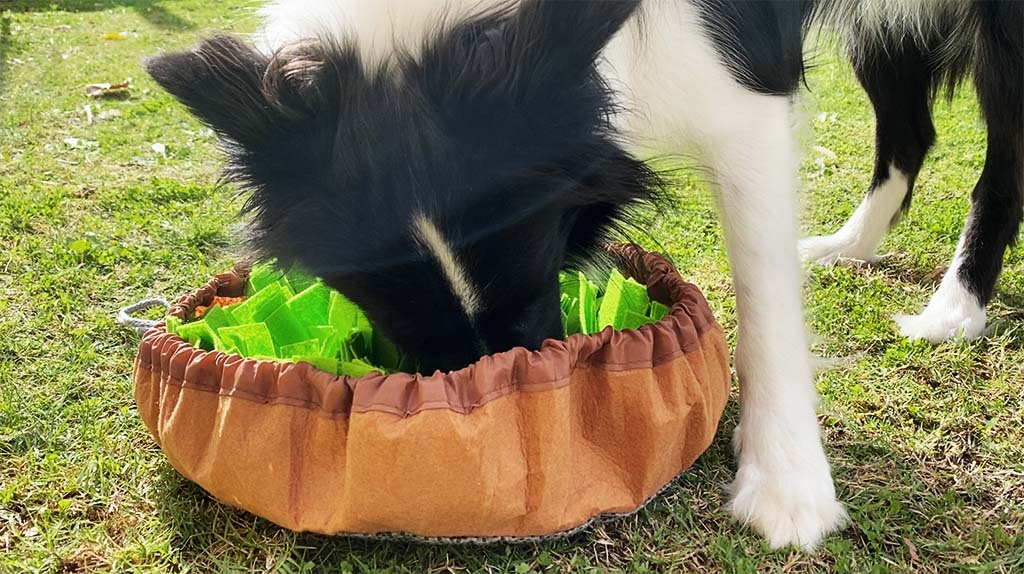
Mental enrichment is essential alongside physical exercise. Puzzle feeders, training sessions, scent games, and novel environments all contribute. A Kelpador that’s physically exercised but mentally under-stimulated will often still be restless and mischievous at home.
Training approach
Positive reinforcement works well for this cross — both parent breeds respond well to reward-based training. Start early, keep sessions short and engaging (10–15 minutes, multiple times a day is better than one long session), and be aware that a smart dog will find gaps in your consistency. If you’re struggling, a qualified trainer will make a significant difference — ask your vet for a recommendation.
Suitable activities
Agility, flyball, tracking, obedience trials, and dock diving are all well-suited to this cross. The combination of Kelpie athleticism and Labrador retrieve drive makes them particularly good at activities that involve movement and following direction. These dogs thrive when they have a purpose.
Health & Life Expectancy
Kelpadors are generally a robust, healthy cross with a life expectancy of around 10–15 years. As with all crossbreeds, they may benefit from hybrid vigour — a reduced incidence of some of the breed-specific conditions that affect purebred Labradors and Kelpies. That said, there are a few areas worth monitoring.
🏥 Health Considerations
- Hip and elbow dysplasia: Labradors in particular are prone to hip and elbow dysplasia. Ask for hip and elbow scores on parent dogs if purchasing from a breeder, and have your dog checked by a vet if you notice any stiffness or reluctance to exercise.
- Weight management: The Labrador’s famous appetite and tendency to gain weight can carry through to the cross. Kelpadors that are under-exercised or overfed can put on weight quickly — monitor body condition regularly and adjust food portions as needed.
- Eye conditions: Both breeds can carry genes for progressive retinal atrophy and other hereditary eye conditions. Annual vet check-ups should include an eye assessment.
- Bloat (GDV): Deeper-chested dogs carry a higher risk of bloat. Avoid exercise immediately after meals, consider a raised bowl, and know the signs: unproductive retching, distended abdomen, and sudden lethargy require immediate vet attention.
- Joint health as they age: Active, athletic dogs that have been well-exercised throughout their lives can develop joint issues as they age. Keeping weight controlled, providing joint supplements if recommended by your vet, and transitioning to lower-impact exercise as they get older all help maintain quality of life.
Is a Kelpador the Right Dog for You?
Kelpadors are active and intelligent dogs that often require a significant level of attention, exercise, and engagement. Before you decide to adopt or purchase one, it’s worth being honest about whether this dog fits your actual lifestyle — not your aspirational one.
🤔 Ask Yourself These Questions First
Do you have an active lifestyle?
Kelpadors thrive with owners who enjoy long walks, runs, hikes, or outdoor activities. If you have a large yard and enjoy being active, this cross will match your energy beautifully. If you lead a more sedentary lifestyle or have unpredictable time available for exercise, this is genuinely important to factor in before committing.
Are you prepared to invest in training?
Kelpadors are intelligent and highly trainable — but that intelligence requires consistent engagement. They can become bored easily and may develop destructive behaviours without enough mental stimulation. Experience with dogs is helpful; a willingness to seek guidance from a qualified trainer is essential if you’re newer to the breed.
Do you have other small animals at home?
If your household includes cats, rabbits, or other small animals, the Kelpie’s prey drive is worth taking seriously. Many Kelpadors live happily alongside cats they’ve been raised with from puppyhood. Introducing a new Kelpador to an existing cat or small animal requires careful management and honest assessment of the individual dog’s prey drive.
Can you provide company during the day?
Like most active, people-oriented dogs, Kelpadors don’t do well with very long hours alone. If your household is out all day regularly, having a plan — a dog walker, doggy daycare, or a canine companion — will make a meaningful difference to the dog’s wellbeing and your furniture’s survival.
If you’ve decided a Kelpador is the right dog for you, check out our article on the best names for Kelpies for naming inspiration. And if you need a laugh while you wait for your new dog to arrive, our Labrador memes and favourite Labrador jokes have you covered.
Where to Find a Kelpador
🔍 Where to Look
- Rescue shelters: The Kelpie cross Labrador is one of the most common crosses in Australian rescue shelters. If you’re open to adopting an adult dog, there are usually many available. Adult rescues often give you a clearer picture of temperament than a puppy does — and you’ll be giving a great dog a second chance.
- Working dog rescues: Organisations like DARE (SEQLD) specialise in working breeds and related crosses and may have Kelpadors available.
- General adoption platforms: Search via the Savour Life website to find adoptable dogs across Australia. Take time to understand each dog’s history and background before committing.
- Responsible breeders: If purchasing a puppy, look for breeders who can tell you about both parent dogs’ temperaments and health history. Ask about hip and elbow scoring on the Labrador parent in particular.
- Your local vet or trainer: A vet or qualified dog trainer who knows the local community will often have reliable recommendations for where to find well-bred or well-assessed Kelpadors in your area.
Frequently Asked Questions
❓ Common Questions
How much exercise does a Kelpador need?
At least 60–90 minutes of active exercise per day, including off-lead time where possible. This is on top of mental enrichment through training and interactive play. Under-exercised Kelpadors tend to become destructive or restless — adequate exercise is the single biggest factor in how easy this dog is to live with.
Are Kelpadors good family dogs?
Generally yes — the Labrador’s gentle, patient nature combined with the Kelpie’s loyalty tends to produce a dog that’s good with families and children. Their energy means supervision around small children during play is wise, and training around kids from early on makes a big difference. Most well-exercised, well-trained Kelpadors are wonderful family dogs.
Do Kelpadors get along with cats?
It depends on the individual dog and how they’ve been socialised. Kelpadors raised alongside cats from puppyhood usually coexist well. Dogs with a stronger Kelpie prey drive may find cats irresistible to chase, which requires management. If you’re adopting an adult Kelpador, ask the rescue or previous owner about their history with cats before bringing them into a cat household.
How long do Kelpadors live?
Typically 10–15 years with proper care. Labradors tend to live 10–12 years; Kelpies often reach 12–15. The cross generally falls somewhere in that range, potentially benefiting from hybrid vigour. Regular exercise, weight management, and annual vet check-ups are the main factors in a long, healthy life.
Do Kelpadors shed a lot?
Moderate to heavy shedding is typical, particularly during seasonal coat changes in spring and autumn. The Labrador’s double coat often dominates in this cross. Regular brushing (a few times a week during shedding season, once a week otherwise) keeps it manageable. A good de-shedding brush makes a notable difference.
Is a Kelpador suitable for first-time dog owners?
With the right support, yes — but it requires commitment. A Kelpador is more forgiving than a purebred Kelpie, and the Labrador’s good nature makes them generally easier to handle. First-time owners who invest in training classes, are consistent with exercise, and seek professional guidance when needed can absolutely succeed with this cross. Going in without a plan is where it gets difficult.