
Disclosure: Dogs of Australia is reader-supported. When you buy through links on our site, we sometimes earn an affiliate commission at no added cost to you. Learn more
Disclosure: Dogs of Australia is reader-supported. When you buy through links on our site, we sometimes earn an affiliate commission at no added cost to you. Learn more
Reusable puppy pads — also called washable pee pads or washable potty pads — do exactly what the name suggests: absorb accidents, go through the wash, and come out ready to use again. If you’re going through a box of disposable pads every few weeks, switching to reusable ones makes obvious financial and environmental sense. But they’re not right for every situation, and not all reusable pads are worth buying.
Here’s everything you need to know before you spend a cent.
Our Top Picks
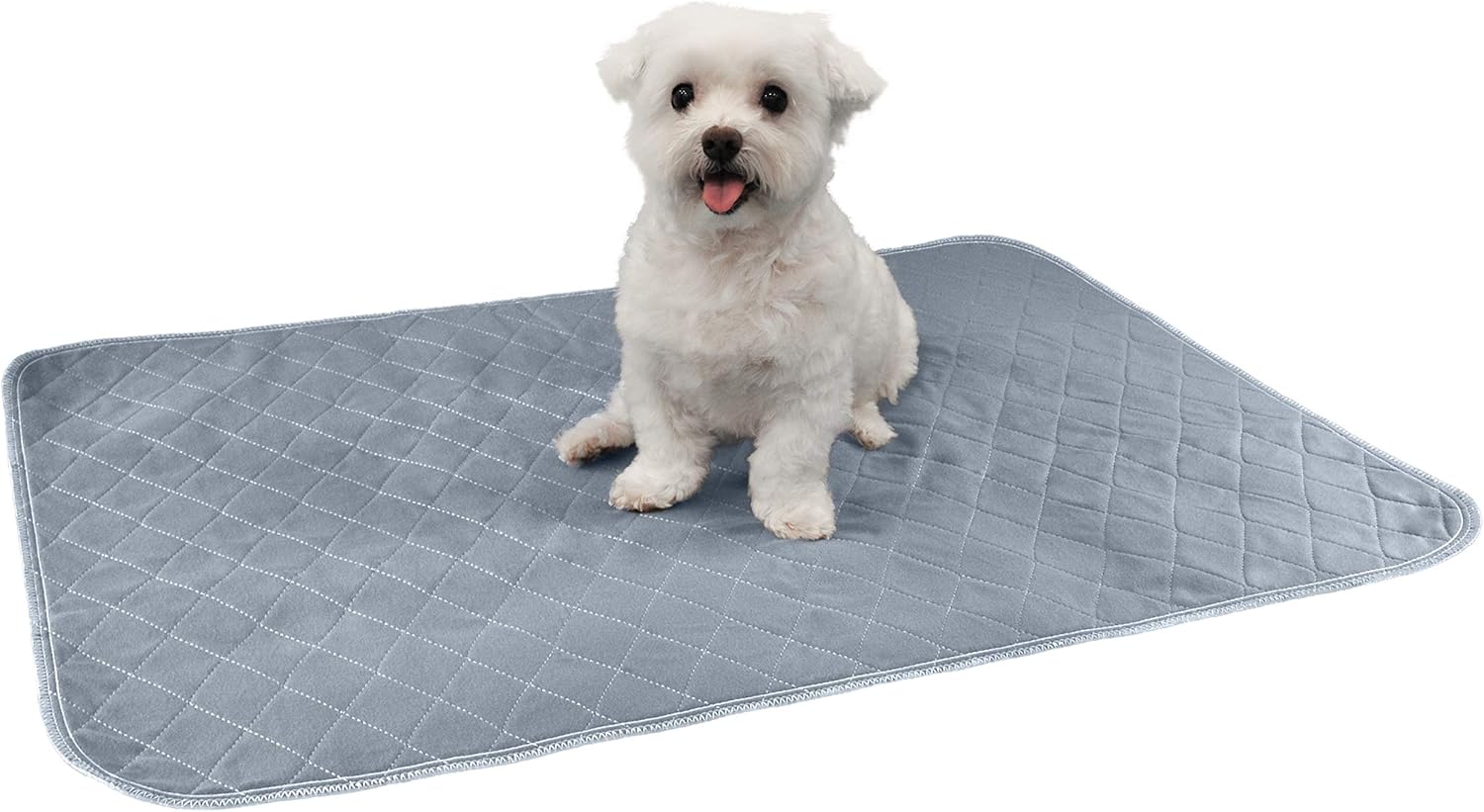
🏆 Best Value Pick
Pipco Pets Washable Pee Pad
A solid, accessible entry point for reusable pads — well-reviewed, machine washable, and available at a price point that makes buying two or three to rotate easy. Good for everyday puppy training use and as a travel backup.
From $26.95
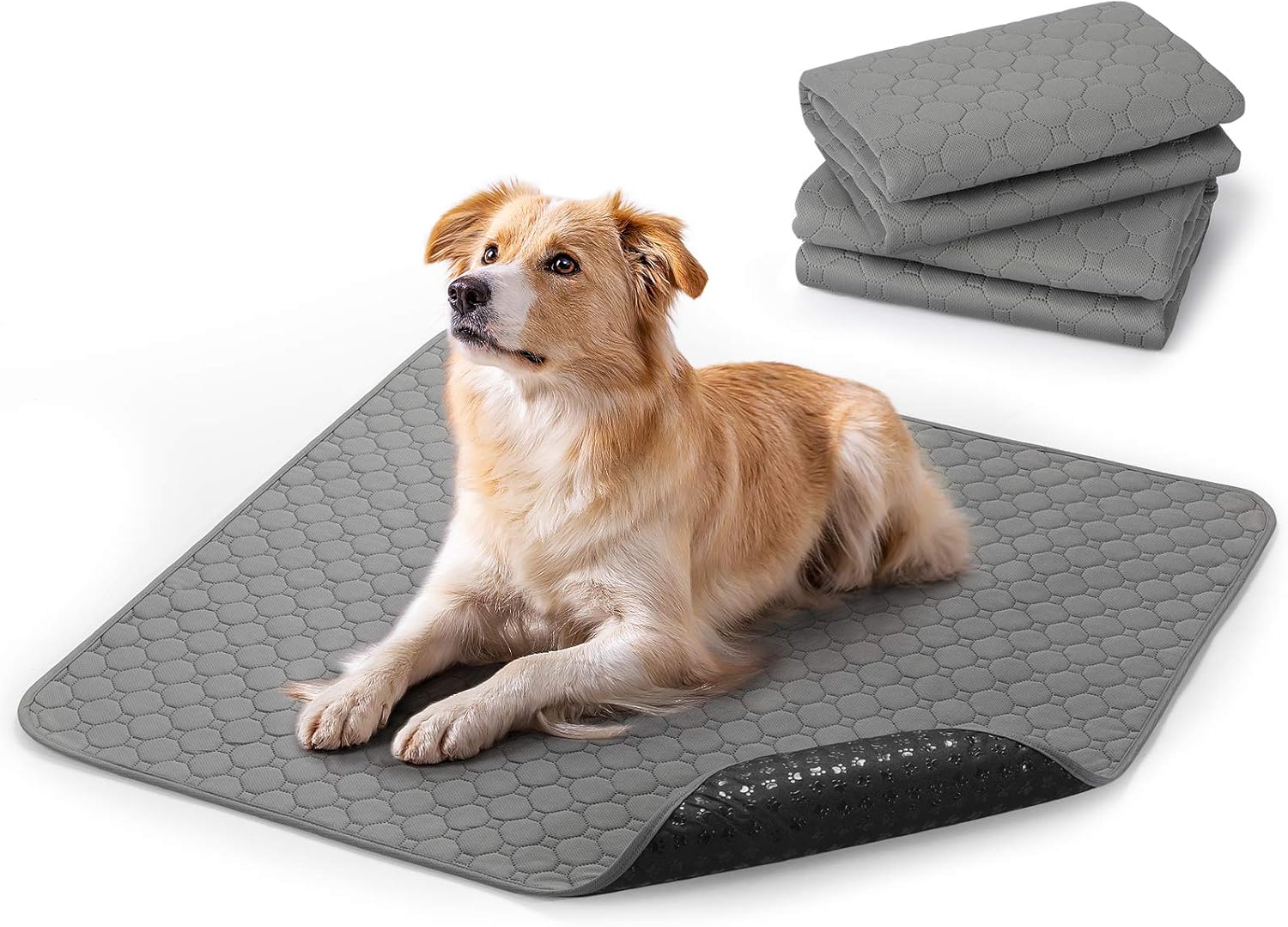
PREMIUM PICK
rabbitgoo Washable Pee Pads
Higher absorbency and typically better construction than budget options — worth the extra cost if you’re using pads heavily or have a larger dog. Strong reviews for holding up to repeated washing without losing absorbency.
From $46.99
🇦🇺 Australian-Made Option
If you’d prefer to support an Australian-made product, the Dundies Reusable Washable Puppy Pad is available from Biome for $37.99. Dundies is a small Australian brand known for their reusable pet products.
How Reusable Puppy Pads Work
Reusable puppy pads work like any other pee pad — your dog uses them as a designated toilet spot indoors — but instead of throwing them away after each use, you wash and reuse them. Most are made from layers of absorbent fabric (typically microfibre or cotton) with a waterproof backing to prevent leakthrough onto the floor beneath.
The absorbent layers draw liquid away from the surface quickly, keeping the top layer relatively dry and reducing the immediate odour. The waterproof base keeps your floors protected. After use, the pad goes through the washing machine and is ready to use again — typically rated for dozens or hundreds of washes before performance degrades.
When used for a puppy, the pad is typically placed inside the puppy play pen on the opposite side from the bed and food area — mimicking the natural instinct to toilet away from the sleeping and eating area.
Reusable vs Disposable — Which Is Better?
⚖️ Reusable vs Disposable Pads
- Cost over time: Reusable pads cost more upfront but significantly less over months of use. A box of disposable pads at ~$15–25 used weekly adds up fast; a set of 3–4 reusable pads at $30–50 each can last years. For anyone using pads regularly, the switch to reusable pays for itself quickly.
- Environmental impact: Disposable pads are single-use plastic-backed products that go straight to landfill. If you’re using them heavily during puppy training, that’s a significant amount of waste. Reusable pads dramatically reduce this.
- Absorbency: Good-quality reusable pads perform comparably to disposable ones for most dogs and situations. Very heavy use (large breeds, multiple dogs) may test the limits of some reusable options — size and quality of the pad matters here.
- Convenience: Disposable pads win on immediate convenience — use and bin. Reusable pads require a washing routine. This is a genuine consideration if you’re in a busy household or managing multiple accidents per day.
- Odour control: Disposable pads often contain odour-attracting chemicals designed to draw puppies back to the same spot. Reusable pads don’t have these additives — which can make initial training slightly slower but is better for long-term behaviour.
When to Use (and When Not to Use) Puppy Pads
There’s genuine debate about whether puppy pads are a good idea for toilet training — and it’s worth understanding both sides before committing to using them.
🐾 When Puppy Pads Make Sense
Puppies in high-rise apartments or without yard access
If you live in an apartment and can’t get outside quickly enough for a young puppy’s bladder, pads provide a safe indoor option while you work on outdoor training. They’re a practical bridging solution, not necessarily a permanent one.
Puppies before full vaccination
Many vets recommend limiting outdoor exposure until vaccinations are complete. Pads allow a puppy to learn appropriate toileting spots indoors during this period, with transition to outdoor toileting happening after the vaccination window.
Older or incontinent dogs
For senior dogs or dogs with bladder control issues due to age, illness, or surgery recovery, reusable pads are an excellent long-term solution. There’s no training concern here — they’re simply a practical management tool. Reusable pads are particularly economical in this ongoing use case.
Overnight or during long work hours
Young puppies can’t physically hold their bladder overnight or for a full working day. Providing a pad for these periods — while maintaining consistent outdoor training during awake hours — is a pragmatic approach that most trainers accept.
⚠️ When Puppy Pads Can Cause Problems
- Creating indoor toileting habits that are hard to break: If a puppy learns that toileting inside is acceptable, transitioning them to exclusively outdoor toileting takes longer and more effort. This isn’t inevitable — but it requires a deliberate transition plan rather than assuming the puppy will figure it out.
- Owners becoming reliant on them instead of teaching outdoor toileting: The most common problem isn’t the pad itself — it’s owners who find pads convenient and delay outdoor training. If you use pads, have a clear plan for when and how you’ll phase them out.
- Dogs who generalise “soft absorbent surface = toilet”: Some puppies trained on pads start treating other soft surfaces — rugs, bath mats, doormats — as acceptable toilet spots. Watch for this and manage it early if it appears.
The bottom line: pads are a tool, not a substitute for training. Used thoughtfully alongside a proper toilet training plan, they’re fine. If you’re uncertain about the right approach for your specific situation, discuss it with your vet — as noted in our puppy pads guide.
What to Look for When Buying Reusable Puppy Pads
🔍 Buying Guide
Size
Match the pad size to your dog’s size and the space you’re using it in. Small pads (~45x45cm) suit toy breeds and puppies. Medium pads (~60x60cm) are better for medium breeds. Large pads (80cm+ or 60x90cm) are needed for bigger dogs. Buying a pad that’s too small for your dog means accidents miss the edges — defeating the purpose.
Absorbency layers
Look for pads with multiple absorbent layers — typically microfibre, bamboo, or cotton — rather than a single-layer design. More layers means better absorbency, slower saturation, and a drier surface for your dog to stand on after use. Check reviews specifically for how well absorbency holds up after repeated washing.
Waterproof backing
A proper waterproof base layer (TPU or PUL fabric) is non-negotiable — without it, liquid passes straight through to your floor. Check that the waterproofing is integrated into the fabric rather than a separate backing that can peel off after washing.
Wash durability
The whole point of reusable pads is that they last. Look for products rated for at least 300 washes, with reviews confirming absorbency holds up over time. Cheap pads that degrade after 20 washes aren’t saving you money — they’re just a more expensive version of disposable.
Non-slip base
A pad that skids across the floor when your dog steps on it will get abandoned quickly. Look for a non-slip or grippy base — either a textured waterproof layer or a separate non-slip mat underneath the pad.
How many to buy
Buy at least 3–4 pads to maintain a rotation — one in use, one drying, one in the wash. If you’re using pads heavily during puppy training, 4–6 gives you more breathing room between washes. Buying two sets is almost always better than buying one expensive set.
How to Use Reusable Puppy Pads
📍 Placement and Training Tips
- Place the pad away from sleeping and eating areas. Dogs naturally avoid toileting near where they sleep and eat. In a puppy play pen, put the pad at the opposite end from the bed and food bowls.
- Keep the location consistent. Moving the pad around confuses puppies. Pick a spot and stick to it until the behaviour is established.
- Carry the puppy to the pad when they show toileting signals (sniffing, circling, squatting). Reward immediately when they use it correctly — treats, praise, whatever your dog responds to.
- If you’re transitioning to outdoor toileting, gradually move the pad closer to the door, then outside the door, then remove it once outdoor toileting is reliable. This gives the puppy a spatial cue to follow rather than an abrupt change.
- Don’t use a grass toilet and a pad simultaneously in the same space if you can avoid it — it can confuse which surface is the designated toileting spot. If you’re using both, use them in clearly distinct areas. See our dog grass toilet guide for comparison.
- Clean accidents beyond the pad promptly with an enzymatic cleaner — regular cleaning products don’t break down the urine smell that draws dogs back to the same spot.
How to Wash and Care for Reusable Puppy Pads
🧺 Washing Guide
Basic washing instructions
- Follow the specific instructions from your brand — but most reusable pads are machine washable at 40°C.
- Shake off any solids before loading into the machine.
- Wash with a gentle, fragrance-free detergent — strong fragrances can deter dogs from using the pad again.
- Avoid fabric softener — it coats the fibres and reduces absorbency over time.
- Tumble dry on low or air dry — high heat can damage the waterproof backing.
Preventing odours
- Wash used pads as soon as possible — the longer they sit wet, the more bacteria multiply and the harder the smell is to remove.
- For a deeper clean, add a cup of white vinegar to the wash cycle — it’s a natural odour neutraliser that won’t affect waterproofing.
- If odour persists after washing, soak in a baking soda solution (1 tablespoon per litre of water) for 30 minutes before washing.
- Dry fully before storage — storing damp pads causes mildew and permanent odour problems.
DIY Reusable Puppy Pads
If you want a budget option before committing to a purchase, reusable puppy pads can be made at home with old towels or blankets. The key requirements are absorbency and machine-washability — most old cotton or microfibre towels satisfy both.
💡 DIY Tips
- Use layered towels — two or three old towels stacked give better absorbency than a single layer.
- Add a waterproof layer underneath — a folded plastic tablecloth or a purpose-cut piece of PUL fabric beneath the towel prevents leakthrough to the floor. Without this, DIY pads don’t protect your floors.
- Keep size consistent — cut or fold to a consistent size so your puppy learns where the toileting area starts and ends.
- Wash frequently — DIY pads without proper waterproofing can saturate faster than commercial options, so a more frequent washing rotation is needed.
- DIY is a good short-term solution but commercial pads with integrated waterproof backing will outperform improvised options over the long term. Check out our puppy checklist for other essentials to have ready before your puppy arrives.
Frequently Asked Questions
❓ Common Questions
Are reusable puppy pads any good?
Yes — a good-quality reusable pad performs comparably to disposable pads in terms of absorbency and odour control, while costing significantly less over time and producing far less waste. Whether puppy pads in general are the right choice depends on your individual situation — see our full guide on puppy pads for the broader debate.
How many times can you reuse a reusable puppy pad?
From a good-quality brand, reusable puppy pads can last multiple years with regular use — typically rated for 300+ wash cycles. The performance (particularly absorbency and waterproofing) degrades gradually over time. If you notice the pad is no longer absorbing quickly or liquid is passing through the base, it’s time to replace it.
Are all pee pads for dogs reusable?
No — there are disposable (single-use) pee pads, reusable (washable) pee pads, and dog grass toilets. Only reusable pads and grass toilets are designed for multi-use. Attempting to reuse a disposable pad will result in it falling apart and developing a strong smell — they’re not designed for it.
How do you wash reusable puppy pads?
Follow your brand’s specific instructions, but most reusable puppy pads are machine washable at 40°C. Use a gentle, fragrance-free detergent and avoid fabric softener — it reduces absorbency over time. Tumble dry on low or air dry to protect the waterproof backing. Wash as soon as possible after use to prevent odours developing.
How do you keep washable potty pads from smelling?
Wash them as soon as possible after use — bacteria multiply quickly on wet fabric, and the longer a used pad sits, the harder the smell is to remove. A cup of white vinegar added to the wash cycle helps neutralise odours naturally. For persistent smell, soak in a baking soda solution before washing. Always dry fully before storage to prevent mildew.
What age should puppies stop using puppy pads?
As soon as is practical for your situation — ideally once outdoor toileting is reliably established and your puppy can physically hold their bladder for reasonable periods. There’s no fixed age, but the longer pads are used indiscriminately, the harder the transition to outdoor-only toileting can become. If you’re using pads as a bridge during early puppyhood, plan the transition proactively rather than letting it drift.
Why shouldn’t you use puppy pads?
Some trainers advise against puppy pads because they can make it harder to teach outdoor-only toileting, create a habit of indoor toileting that takes time to undo, and allow owners to delay outdoor training. These are real risks if pads are used without a clear training plan. That said, for many owners — particularly those in apartments or with limited yard access — pads are a practical and entirely manageable tool. Your vet is the best person to advise on the right approach for your specific circumstances.