
Do Corgis Shed? The short answer is yes, Corgis shed. And to be completely honest with you, the shedding can be really bad. Corgis are a type of dog breed that sheds hair all year long. The shedding will be worse when the seasons change, but you also won’t get much of a break from it during the rest of the year.
The good news is that there are some things you can do to help manage the shedding. In this article, we’ll look at some frequently asked questions, and then I’ll share my favourite tips to keep corgi shedding under control. Let’s get started.
The Shedding Reality: What to Expect
⚠️ Before You Get a Corgi
Let’s be real: if you’re considering a Corgi, you need to know what you’re signing up for.
- Year-round shedding: Corgis shed constantly, not just seasonally
- Twice-yearly “blow coat”: Spring and fall bring massive shedding events
- Fur everywhere: On your clothes, furniture, floors, and somehow in your food
- Daily maintenance: You’ll need to brush regularly to keep it manageable
- Not hypoallergenic: If you have dog allergies, a Corgi will trigger them
Still want one? Great! They’re worth it. But you’ll need the right tools and strategies.
How Bad Do Corgis Shed?
Compared to lots of other dog breeds, corgi shedding is bad. I’d personally give it a 9 out of 10 bad. And the only reason they’re only scoring a 9 is that corgis are only medium-sized dogs. So, for example, a samoyed will shed more than a corgi because it’s bigger than a corgi, so there’s more fur. But for a medium-sized dog, corgis are amongst the worst dog breeds for shedding hair.
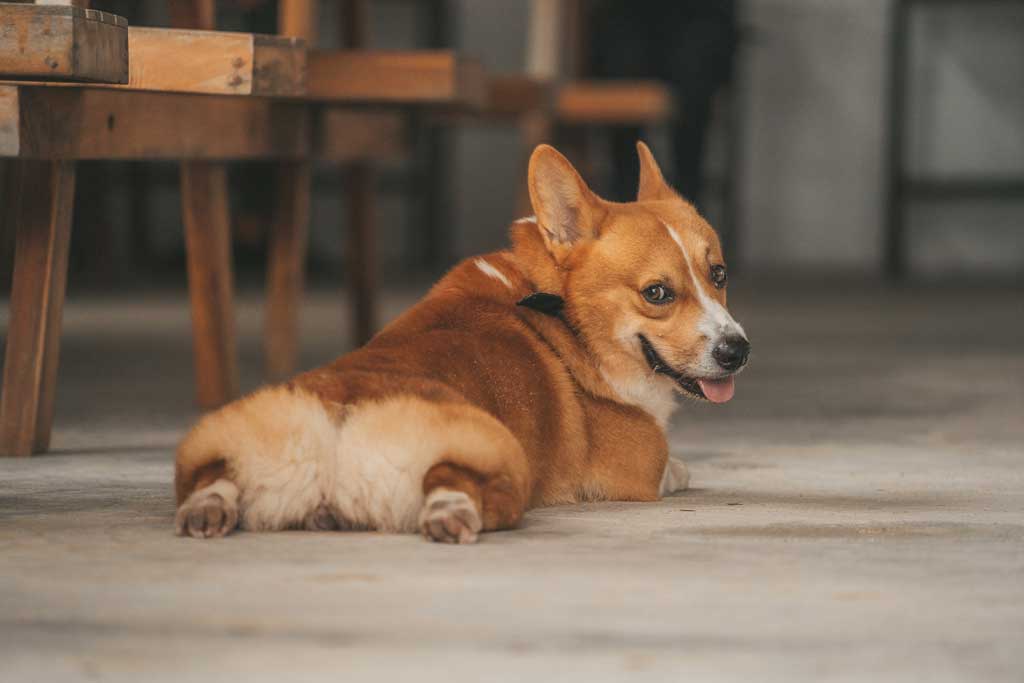
Image: Timur Garifov on Unsplash
Why Corgis Shed So Much
Understanding why Corgis shed helps you manage it better. It all comes down to their double coat.
The Double Coat Explained
Corgis have a double coat consisting of:
- Undercoat: Dense, soft, insulating layer that keeps them warm. This is what sheds the most.
- Topcoat: Longer, coarser guard hairs that repel water and protect from the elements.
This double coat was essential for their original job as herding dogs in Wales, where they needed protection from cold, wet weather. The undercoat regulates their temperature, which means they shed it seasonally to adapt to weather changes.
Both Pembroke and Cardigan Welsh Corgis have double coats and shed equally heavily.
Can You Get a Corgi That Doesn’t Shed?
This is a common question that people have, and unfortunately, the answer is no. You cannot get a Corgi that doesn’t shed. All dog breeds shed hair, some more than others. But if you’re looking for a dog breed that doesn’t shed much, then I’m sorry to say that corgis may not be the best choice for you.
When Shedding Gets Worse
The Dreaded “Blow Coat” Season
🌸 Spring Shedding
As temperatures warm up, Corgis shed their thick winter undercoat. This typically happens in late winter through spring and can last 2-4 weeks. You’ll find clumps of fur coming out in handfuls.
🍂 Fall Shedding
In autumn, Corgis shed their lighter summer coat to make room for their thicker winter coat. This usually happens in late summer through fall and also lasts 2-4 weeks.
📅 Year-Round Baseline
Between these major seasonal sheds, Corgis continue to shed daily at a moderate to heavy level. It never fully stops – you’ll always have some fur to manage.
🥵 Health-Related Shedding
Excessive shedding beyond normal patterns can signal health issues like poor diet, allergies, stress, or skin conditions. If you notice bald patches or sudden increased shedding, consult your vet.
Best Tools for Managing Corgi Shedding
Having the right tools makes all the difference. Here are our top recommendations for keeping Corgi shedding under control:
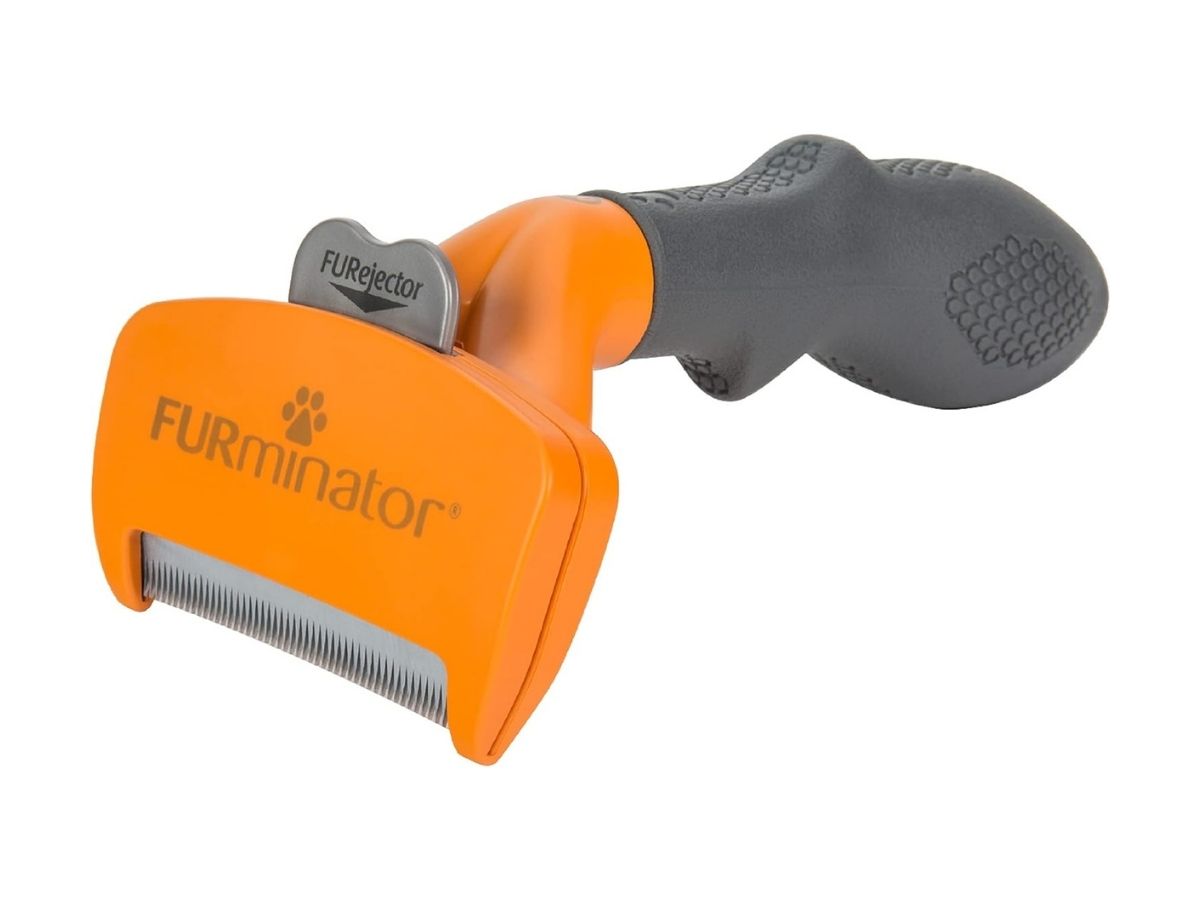
🏆 Our Top Pick
FURminator Deshedding Tool for Medium Dogs
✅ Reaches deep undercoat: Special edge design removes loose undercoat without damaging topcoat
✅ Reduces shedding up to 90%: When used regularly during shedding season
✅ Works on double coats: Specifically designed for breeds like Corgis
Other Essential Shedding Management Tools

DAILY FLOOR MAINTENANCE
Robot Vacuum Cleaner
A robot vacuum is a game-changer for Corgi owners. It automatically picks up shed fur throughout the day, so you’re not constantly sweeping. Check our full guide for the best models for dog hair.

FURNITURE CLEANING
ChomChom Roller (Reusable Lint Roller)
Silicone-based pet hair remover that works on furniture, car seats, and bedding. No batteries, no sticky tape – just roll back and forth. Much better than traditional lint rollers for heavy Corgi shedding.
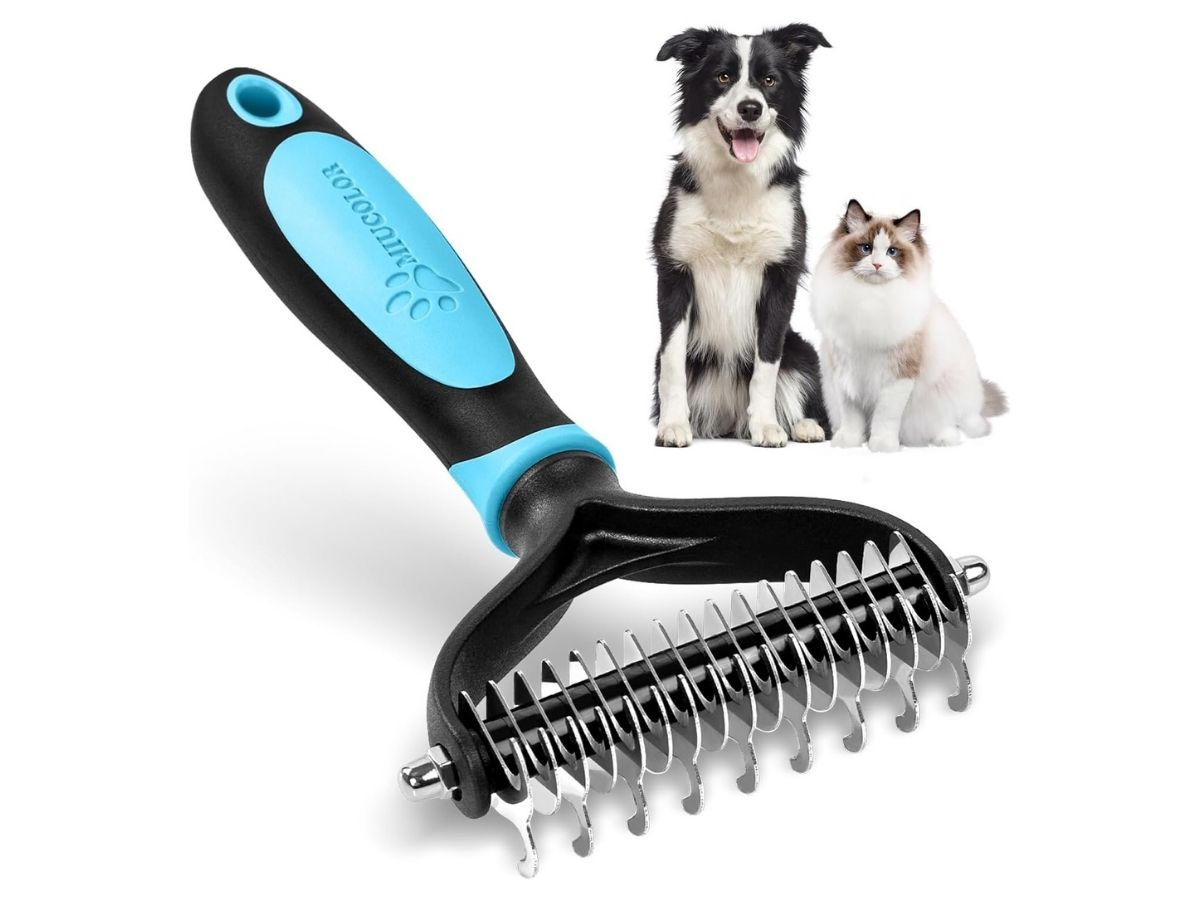
SEASONAL BLOW COAT
Undercoat Rake
Essential during spring and fall shedding seasons. The long teeth penetrate deep into the undercoat to remove loose fur before it ends up on your floors. Use in combination with the FURminator.
How Do I Stop My Corgi from Shedding?
You can’t ‘literally’ stop your corgi from shedding, but you can do a few things that will significantly reduce the amount of dog hair floating around in your home.
I find the below three options have the biggest impact:
- A regular brushing routine
- A robot vacuum cleaner
- No fabric couches or armchairs if you allow your dog on the furniture
1. Brush Your Corgi Frequently
Ideally, you want to brush your corgi every day. But as you probably know, real life doesn’t always allow us to follow our own advice. In reality, I would say that you should just do it as often as you can. By brushing your dog frequently, there’ll be more hair going into the brush and less hair floating around in your home. Plus, if you brush your dog frequently, you can keep the grooming sessions much shorter than you’d have to if you’d brush your dog only once a month or so.
✅ Brushing Schedule Guide
Normal shedding periods (most of the year):
- Brush 2-3 times per week with a regular slicker brush
- Each session: 10-15 minutes
- Use the FURminator once a week
Heavy shedding season (spring & fall):
- Brush daily with both undercoat rake and FURminator
- Each session: 15-20 minutes
- Consider a grooming session outdoors to contain the fur explosion
Pro tip: Brush in the same direction as hair growth, and work in sections. Start at the neck, move down the back, then do each side and the legs.
2. Getting a Robot Vacuum Cleaner
Corgis shed, and you can’t stop them from shedding. But you can drastically reduce the amount of hair in your home with a robot vacuum cleaner. It works by moving around the house on its own and sucking up all the excess dog hair that’s floating around in your home. Honestly, I think every family with a dog should have one of these – they’re just such a game-changer for keeping dog hair under control.
When it comes to robot vacuums, there is a wide range in price. You can find really expensive ones, as well as more affordable ones. The more expensive ones are typically smarter – they will bump into objects less, and they can even clean themselves. But the cheaper ones can do a good job too, they’re just a little more annoying and less efficient.
3. Consider Replacing Your Fabric Furniture
If your fabric furniture is always full of dog hair, you have the following options:
- Cover it with a dog blanket
- Remove the dog hair frequently with lint rollers
- Replace your fabric couch with a (faux) leather couch
Additional Shedding Management Tips
💡 Pro Tips from Corgi Owners
- Diet matters: High-quality food with omega-3 fatty acids supports healthy coat and can reduce excessive shedding
- Regular baths help: Bathe your Corgi every 4-6 weeks with a deshedding shampoo to loosen dead undercoat
- Professional grooming: Consider a “deshed treatment” at a groomer 2-3 times per year, especially before shedding season
- Keep them hydrated: Proper hydration supports skin and coat health
- Never shave a double-coated dog: Shaving doesn’t reduce shedding and can damage their coat permanently
Common Questions About Corgi Shedding
Frequently Asked Questions
How Often Do Corgis “Blow Their Coat”?
Corgis typically blow their coat twice a year – once in spring (shedding winter coat) and once in fall (shedding summer coat). Each blow coat period lasts 2-4 weeks and involves massive amounts of undercoat shedding.
During these periods, you might feel like your Corgi is shedding an entire dog’s worth of fur. Daily brushing during blow coat season is essential.
Will Shaving My Corgi Reduce Shedding?
No! Never shave a Corgi or any double-coated breed. Shaving doesn’t stop shedding – they’ll just shed shorter hairs. Worse, shaving can permanently damage their coat, prevent proper temperature regulation, and increase risk of sunburn and skin problems.
Their double coat is designed to keep them cool in summer and warm in winter. Trimming around the paws and sanitary areas is fine, but never shave the body.
Do Pembroke and Cardigan Corgis Shed the Same Amount?
Yes, both Pembroke Welsh Corgis and Cardigan Welsh Corgis have double coats and shed heavily. There’s no significant difference in shedding between the two breeds.
The only difference is that Cardigans are slightly larger, so they have marginally more fur to shed, but the intensity and pattern of shedding is the same.
At What Age Do Corgis Shed the Most?
Corgi puppies start developing their adult coat around 4-6 months old. During this transition (which can last until they’re about 1 year old), you’ll notice increased shedding as the puppy fluff is replaced by adult fur.
After reaching maturity, shedding levels remain consistent throughout their adult life, with seasonal variations twice per year.
Does Diet Affect How Much My Corgi Sheds?
Yes! Poor nutrition can lead to excessive shedding, dry skin, and a dull coat. High-quality dog food with adequate protein, omega-3 fatty acids (from fish oil or flaxseed), and essential vitamins supports healthy coat growth and can minimize excessive shedding.
If you’ve recently changed foods and notice increased shedding, it might be worth consulting your vet about the nutritional quality of the new food.
Can Allergies or Health Issues Cause More Shedding?
Yes. While Corgis are naturally heavy shedders, excessive shedding beyond normal patterns can indicate health problems including food allergies, environmental allergies, skin infections, hormonal imbalances, or parasites.
Warning signs include: bald patches, red or irritated skin, constant scratching, sudden increase in shedding, or changes in coat texture. If you notice these symptoms, consult your vet.