
Yes — Cavoodles are well suited to apartment living. Their compact size, adaptable temperament, and moderate exercise needs make them one of the better breeds for smaller homes. But the more honest answer is that apartment suitability has less to do with the dog and more to do with the owner.
More on that below.
📋 In This Guide
- Why Cavoodles Suit Apartment Living — the traits that actually matter
- The Real Talk: It’s About You, Not the Apartment — the argument worth reading
- Strata & Body Corporate: The Australian Reality — what to check before you commit
- Making Apartment Life Work for Your Cavoodle — practical day-to-day tips
- Is a Cavoodle High Maintenance?
- FAQs
Why Cavoodles Suit Apartment Living
Not all dogs adapt well to smaller spaces — but Cavoodles generally do, for a few specific reasons that come directly from their Cavalier × Poodle genetics.
🐾 What Makes Cavoodles Apartment-Friendly
Compact Size
Toy Cavoodles (4–6kg) and Miniature Cavoodles (6–10kg) are small enough to be genuinely comfortable in an apartment. They don’t need a large space to move around in — they need a daily walk and regular enrichment, which are equally achievable from an apartment.
Moderate Energy Levels
Cavoodles are active but not hyperactive. They don’t need hours of exercise to be content — a daily walk of 30–45 minutes plus some indoor play is usually enough. Breeds like Border Collies or Kelpies are genuinely difficult in apartments; Cavoodles are not.
Adaptable Temperament
Cavoodles are companion dogs that orient to their owners rather than to space. A Cavoodle in a small apartment with an engaged owner will be happier than a Cavoodle in a large house with an absent one. They follow their people — the environment is secondary.
Low-Shedding Coat
In a smaller space, shedding is more noticeable. Cavoodles’ low-shedding coats are a genuine practical advantage for apartment living — less fur accumulating in a confined space, better for any neighbours with allergies in shared buildings.
The Real Talk: It’s About You, Not the Apartment
Here’s the argument worth sitting with: a Cavoodle in a small apartment with a committed owner — daily walks, regular enrichment, dog-friendly outings — has a better quality of life than a Cavoodle with a yard but an owner who leaves them alone all day with nothing to do.
Space is not the same as care. A yard doesn’t walk your dog, provide mental stimulation, or offer companionship. An engaged owner in a studio apartment does.
💡 What Apartment Living Actually Requires From You
- Taking your Cavoodle out for 1–2 walks a day regardless of weather or mood
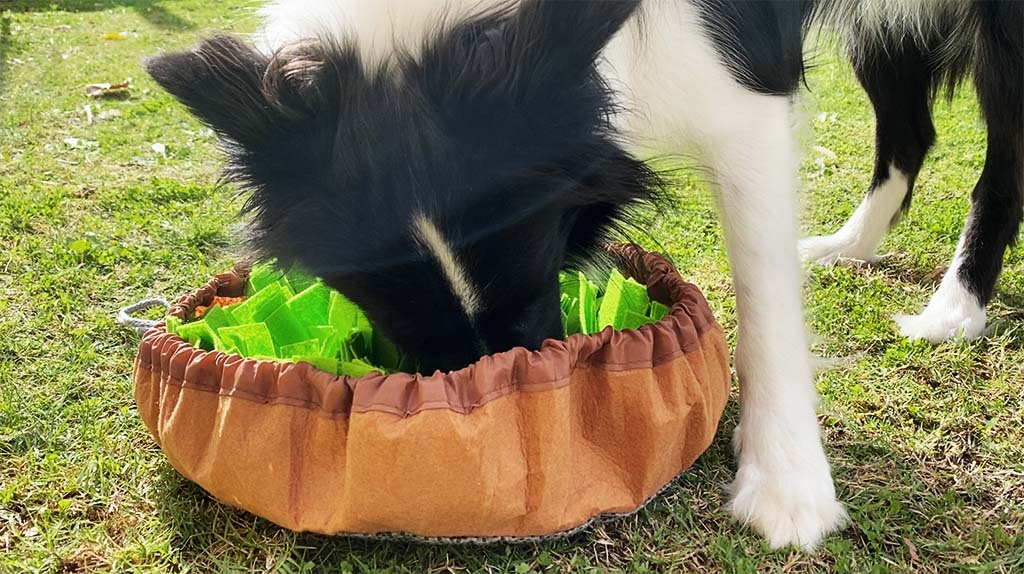
- Providing regular mental stimulation and enrichment feeding to compensate for limited indoor space
- Managing toilet breaks — no yard means going outside every time, including first thing in the morning and last thing at night
- Being mindful of barking — in a strata building, a barking dog affects your neighbours in a way it wouldn’t in a detached house
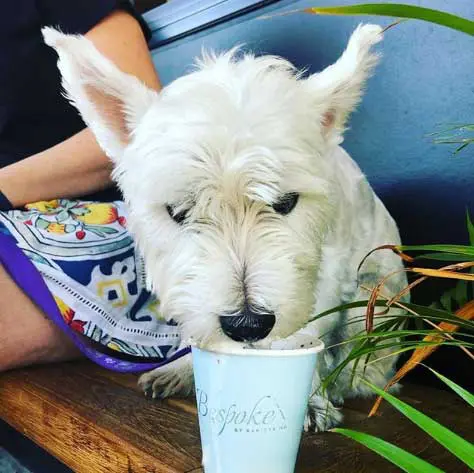
- Bringing your Cavoodle along when you go somewhere dog-friendly rather than leaving them home
- Considering a dog walker or daycare on longer days when you can’t get home
None of this is particularly hard — but it does require consistency. If you’re genuinely willing to do those things, apartment life with a Cavoodle works very well. If you’re hoping the breed will manage itself, any dog in an apartment will struggle.

Image: Sandy Millar on Unsplash
Strata & Body Corporate: The Australian Reality
This is the section most articles skip — and it’s one of the most practically important things for Australian apartment dwellers to know before getting a Cavoodle.
⚠️ What to Check Before Getting a Dog in an Apartment
Check Your Strata By-Laws First
In Australia, strata schemes can have by-laws that restrict or prohibit pets. These vary significantly — some buildings have blanket no-pet rules, others allow pets with approval, others have no restrictions at all. Check your strata by-laws or body corporate rules before committing to a dog, not after. Your strata manager or the relevant state tenancy authority can provide the current rules.
Pet Approval Process
Many Australian strata schemes require formal approval for pets. You’ll typically need to submit a request, sometimes including details about the breed, size, and your management plan. Approval can be conditional — for example, requiring the dog to be carried in lifts or kept off common areas. Know the process before you get the dog.
Renters Have Additional Considerations
If you’re renting, you’ll need landlord approval in addition to any strata rules. Australian tenancy laws vary by state on pet clauses — in some states landlords can’t unreasonably refuse pets, in others they can. Check the current rules in your state before assuming either way. A pet resume — a one-page document covering your dog’s breed, temperament, training, and references — can significantly improve your chances of getting approval from a hesitant landlord.
Noise Complaints Are a Real Risk
A barking dog in an apartment building affects your neighbours directly. Cavoodles can bark — particularly if they have separation anxiety or insufficient exercise. Training, enrichment, and managing alone time properly significantly reduces this risk. But it’s worth being realistic about before moving into a building with shared walls.
Making Apartment Life Work for Your Cavoodle
The practical day-to-day of apartment life with a Cavoodle is manageable once you have a routine. Here’s what works:
✅ Apartment Living Checklist for Cavoodle Owners
Exercise Routine
- Two walks a day works well — morning before you leave and evening when you return
- Find your nearest dog park or off-leash area for weekend play sessions
- Sniff walks (letting your dog explore at their own pace) count as mental stimulation — great for apartment dogs who can’t free-roam
- Consider agility, nosework, or other dog sports — great for Cavoodles and easily accessible from the city
Indoor Enrichment
- Puzzle feeders and enrichment feeding replace some of what a yard would provide
- A frozen Kong before you leave gives them something engaging to focus on immediately
- Rotate toys so they maintain novelty — a bored Cavoodle in a small space will find its own entertainment
- Training sessions of 5–10 minutes a day provide mental stimulation and strengthen your bond
Managing Alone Time
- Most adult Cavoodles can manage 4–6 hours alone when properly trained for it
- A midday dog walker on longer days makes a significant difference
- Doggy daycare 1–2 times a week breaks up the week without overwhelming them
- A camera at home lets you monitor how they actually behave when alone — worth doing early

Image: Sandy Millar on Unsplash
Is a Cavoodle High Maintenance?
Depends on how you define it. In terms of exercise needs, Cavoodles are relatively low — a daily walk is enough. In terms of grooming, they’re moderate to high — their coats keep growing and need brushing several times a week plus professional grooming every 6–8 weeks.
📊 Cavoodle Maintenance at a Glance
| Area | Level | What It Means |
|---|---|---|
| Exercise | Low–Moderate | 1–2 walks daily, 30–45 min total |
| Grooming | Moderate–High | Brush several times/week, professional groom every 6–8 weeks |
| Mental Stimulation | Moderate | Puzzle feeders, training, enrichment — important for a smart breed |
| Companionship | High | Companion dogs — need people, not great for long alone stretches |
| Shedding | Low | Low-shedding coat — a genuine advantage in apartments |
| Training | Easy | Highly trainable — responds well to positive reinforcement |
The honest answer: Cavoodles are not a low-effort dog. But their needs are predictable and manageable — and the mental stimulation requirements are actually more important than the exercise ones for this breed.
❓ Cavoodles in Apartments — FAQs
Are Cavoodles good for apartments?
Yes — Cavoodles are one of the better breeds for apartment living. Their small size, moderate exercise needs, low-shedding coat, and adaptable temperament all suit apartment life. The main considerations are separation anxiety (common in the breed), grooming requirements, and checking your strata rules before committing.
Do Cavoodles bark a lot in apartments?
Cavoodles can bark — particularly if they have separation anxiety, insufficient exercise, or are under-stimulated. Well-exercised, well-trained Cavoodles with adequate alone time preparation are generally not excessive barkers. Training, enrichment, and building alone time tolerance from puppyhood significantly reduces the risk of problematic barking in a strata setting.
Can I have a Cavoodle in a rental apartment?
It depends on your lease and your building’s strata rules. In Australia, tenancy laws vary by state on pet permissions — in some states landlords can’t unreasonably refuse pets, in others they can. You’ll also need to check the strata by-laws separately from your lease. Always confirm both before getting a dog, not after.
How much space does a Cavoodle need?
Less than you might think. Cavoodles don’t need a large indoor space — they need daily exercise and mental stimulation, both of which are achievable from an apartment. A Toy Cavoodle is particularly well-suited to smaller spaces. The quality of daily activity matters far more than the size of the home.
Can Cavoodles be left alone in an apartment all day?
Most adult Cavoodles can manage 4–6 hours alone when properly trained. A full work day (8+ hours) is too long for most Cavoodles without a midday break from a dog walker or daycare. Separation anxiety is more common in Cavoodles than many breeds — building alone time tolerance from puppyhood is important.
The Bottom Line
Cavoodles are a great choice for apartment living — but the apartment isn’t really the variable. The owner is. A Cavoodle with daily walks, enrichment, companionship, and a present owner will thrive in a small space. The same dog left alone in a large house with nothing to do won’t. If you’re willing to put in the consistency, a Cavoodle in an apartment is a wonderful setup.