
Disclosure: Dogs of Australia is reader-supported. When you buy through links on our site, we sometimes earn an affiliate commission at no added cost to you. Learn more
A lead won’t fix a dog that pulls — only training does that. But a well-built lead makes walks manageable while you work on it, and the wrong one can make a bad situation worse. Hardware that fails, a handle that cuts into your hand, or a clasp that opens under pressure are all genuine risks with a strong puller.
The long-term solution is teaching loose-lead walking — ideally early, and with professional help if you’re stuck. In the meantime, here’s what to look for and three leads worth considering.
What to Look For in a Lead for Pulling Dogs
✅ Key Features to Check
Hardware and Clasp Strength
The clasp is the most likely failure point on a lead under pulling force. Look for metal hardware with a stated load rating — ideally tested to well above your dog’s body weight. Avoid plastic clips on any dog that pulls hard.
Stitching Quality
Reinforced box stitching at stress points (handle joins, clip attachment) is what keeps a lead together when your dog lunges. Inspect the stitching closely — unravelling seams on a cheap lead are a warning sign.
Handle Design
A padded handle matters more than it sounds with a strong puller — thin rope handles can cause rope burn when a dog lunges suddenly. A secondary short handle close to the clip is useful for quick control in tight situations.
Bungee vs Standard
A bungee (shock-absorbing) lead absorbs the impact of a sudden lunge, distributing force rather than transmitting it directly to your hand or your dog’s neck. Particularly useful for large, strong dogs. Not a substitute for training, but reduces the physical impact of pulling.
Our Lead Picks for Pulling Dogs
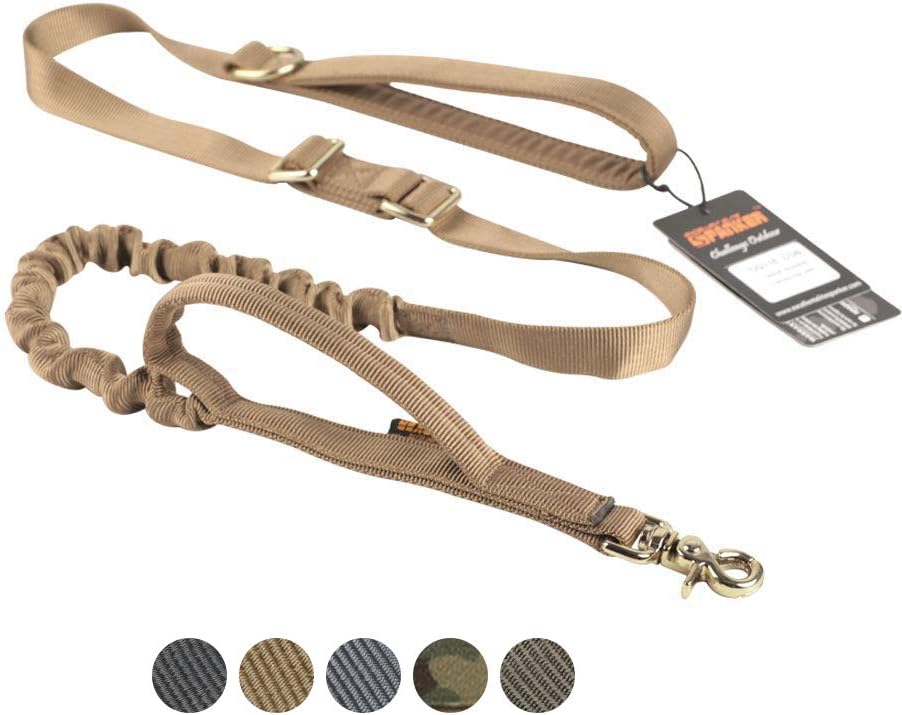
🏆 Best for Strong Pullers
Tactical Bungee Lead — Excellent Elite
A bungee lead built for larger, stronger dogs. The metal hook clip is tested to withstand around 200 kg, with reinforced box stitching throughout. Soft padded handle plus a secondary close-in handle for additional control when needed. The bungee construction absorbs impact on both ends — useful for dogs that lunge suddenly. A matching tactical harness is available from the same brand.
From $33.99
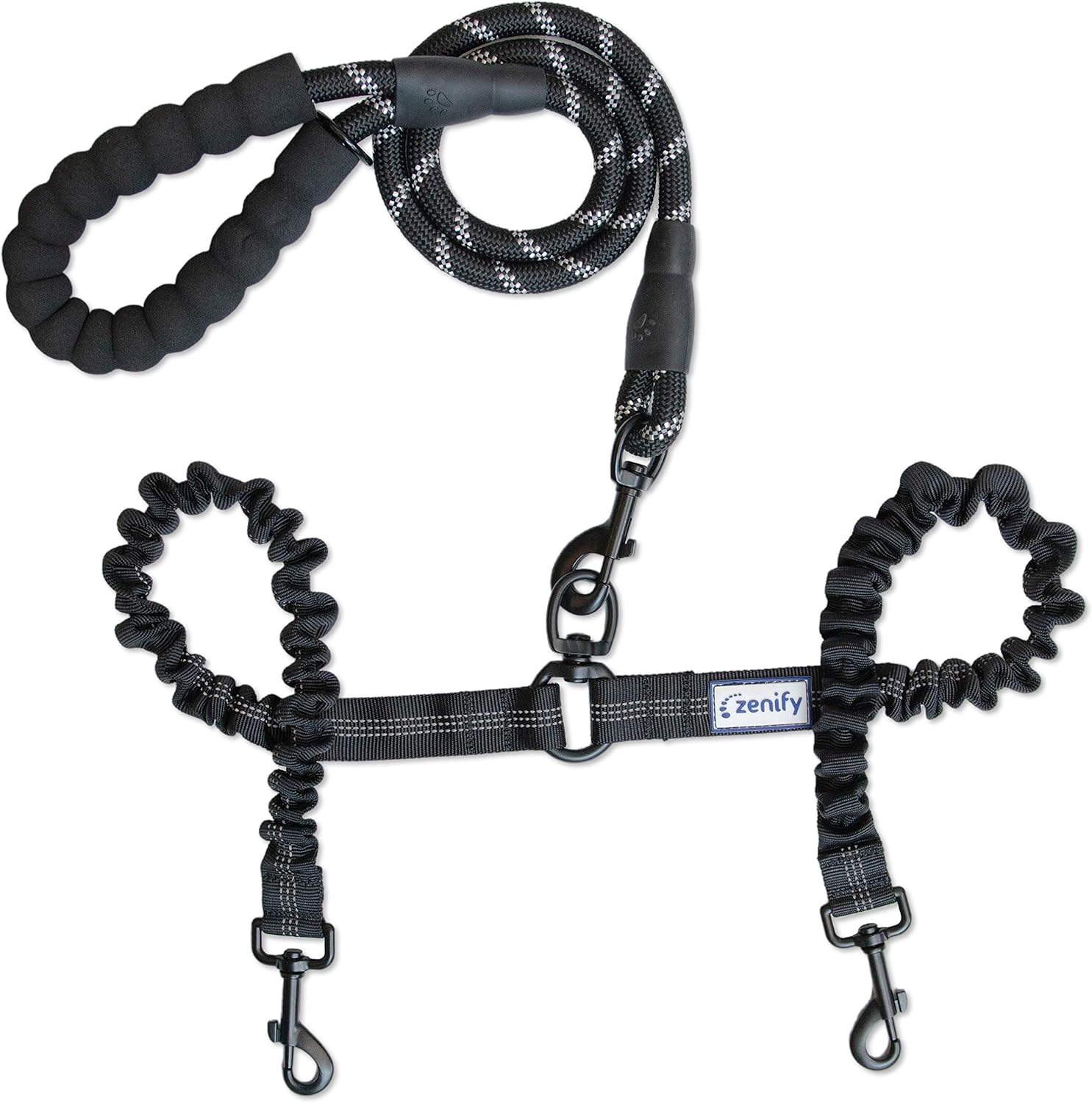
BEST FOR TWO DOGS
Shock Absorbing Double Lead — Zenify
A coupler lead for walking two dogs simultaneously, with independent elastic bungee extensions that absorb each dog’s pulls separately — so one dog’s lunge doesn’t yank the other. Rotating coupler prevents tangling, heavy duty clasps, reflective and chew-resistant rope, padded handle.
From $22.95
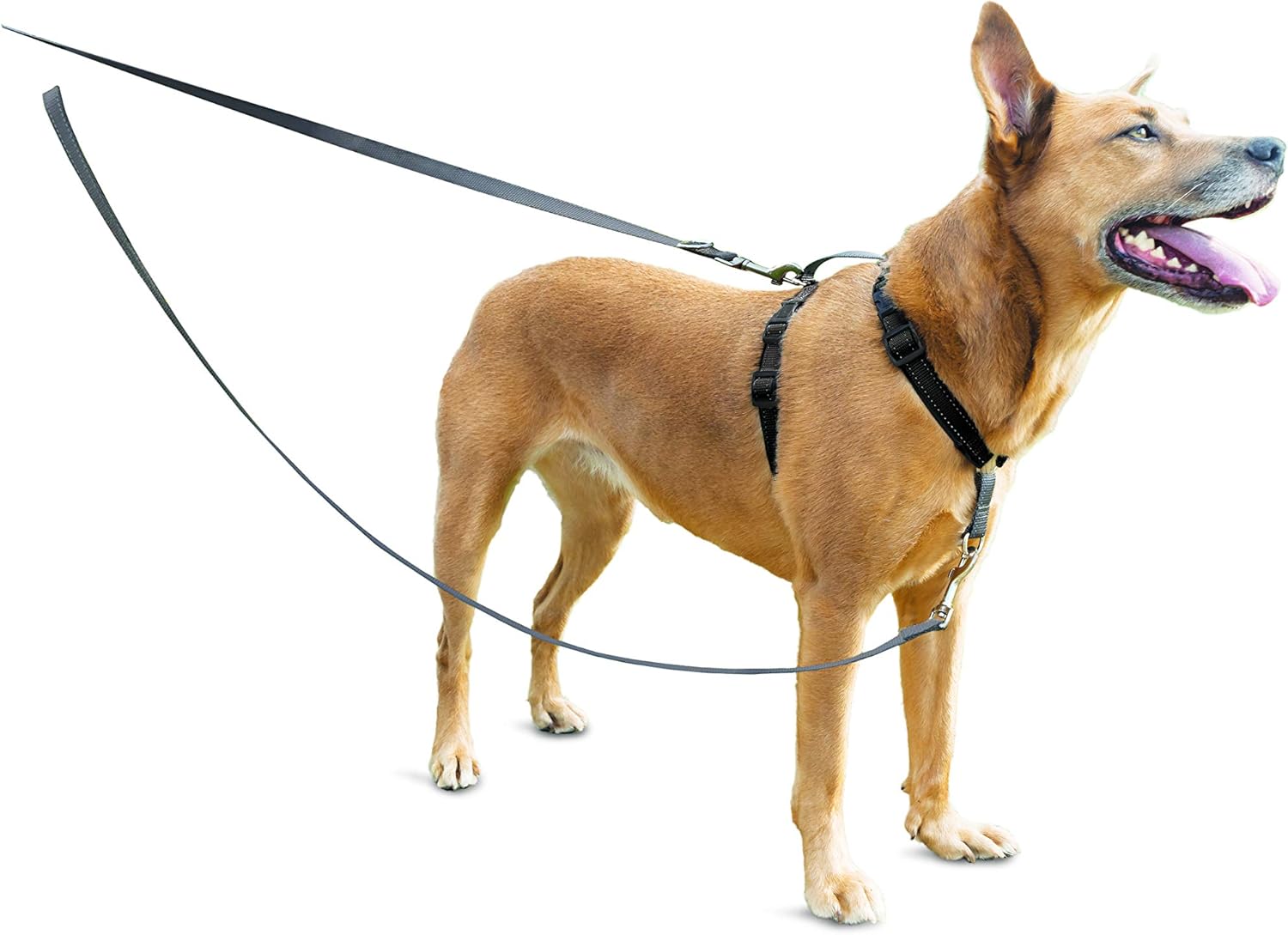
BEST WITH A NO-PULL HARNESS
Double-Ended Lead — PetSafe
Designed to be used with a no-pull harness — attaches to both the front and back D-rings simultaneously, so when your dog pulls forward, the front clip redirects them back toward you. Nylon with reflective strips, padded floating handle, swivel hardware to prevent entanglement.
From $18.98
Slip Leads, Head Collars and Other Tools
⚠️ Get Professional Advice First
Slip rope leads, head collars, and similar management tools can be effective when used correctly — but there are specific techniques involved, and used incorrectly they can cause physical harm or make pulling behaviour worse. We strongly recommend getting guidance from a qualified dog trainer before using any of these tools. Note that dog training is an unregulated industry in Australia — if you’re unsure where to start, ask your vet for a recommendation.
Frequently Asked Questions
❓ Lead for Pulling Dogs FAQ
What’s the best lead for a dog that pulls?
It depends on your dog’s size and what’s causing the pulling. For large strong dogs, a bungee lead with solid hardware reduces the impact of lunges. For training purposes, a double-ended lead used with a front-clip no-pull harness is one of the most effective management combinations. No lead replaces loose-lead training — it just makes the process safer while you work on it.
Will a special lead stop my dog from pulling?
Not on its own. A lead manages pulling and keeps walks safer, but it doesn’t teach your dog not to pull. That requires consistent loose-lead training. A front-clip harness combined with a double-ended lead can help redirect pulling as part of a training approach, but the training itself still needs to happen.
Are retractable leads good for dogs that pull?
No — retractable leads are not suitable for dogs that pull. They provide very little control, the thin cord can cause serious rope burn or break under force, and the constant tension actually encourages pulling behaviour. See our dog leads guide for a full breakdown of lead types.
What’s the difference between a bungee lead and a standard lead?
A bungee lead has an elastic section that stretches and absorbs the shock of a sudden lunge — rather than transmitting the full force directly to your hand or your dog’s neck. It doesn’t prevent pulling but reduces the physical impact on both ends. Standard leads transmit force directly with no absorption.
When should I start loose-lead training?
As early as possible — ideally as soon as you bring a puppy home. Teaching a young dog not to pull is significantly easier than retraining an adult dog with an established habit. If you’re struggling, a qualified trainer can help — ask your vet for a recommendation rather than relying on Google results, as dog training is unregulated in Australia.