
Disclosure: Dogs of Australia is reader-supported. When you buy through links on our site, we sometimes earn an affiliate commission at no added cost to you. Learn more
A dog collar is basic equipment — but the choice matters more than it looks. Material affects durability and comfort. Width affects how force is distributed on the neck. And the right type depends heavily on your specific dog’s build, habits, and needs. Here’s a practical guide to what’s available and what to look for.
Getting the Size Right
📐 Sizing Guide
Collar Length (Neck Circumference)
- Measure your dog’s neck with a flexible tape measure at the point where the collar will sit
- Most collar brands specify the range of neck sizes their collar fits — check before buying
- The collar should sit snugly without being tight
- Check the fit regularly — puppies grow quickly and even adult dogs can change weight
- Small dogs (under 10kg): one finger should fit between collar and neck
- Medium dogs: two fingers should fit comfortably
- Large dogs: three fingers is the guide
Collar Width
A wider collar distributes leash force across a greater surface area of the neck — meaning less pressure per square centimetre when a dog pulls. A narrow collar concentrates that same force into a thin line, which is more uncomfortable and potentially harmful over time.
- Wider is generally better for dogs that pull on the leash — see our wide dog collar guide for options
- Exception: dogs with very short necks may find wide collars restrictive — a harness is often a better fit for these dogs
- If your dog pulls consistently, address the behaviour — the collar is not a substitute for training
Collar Materials Explained
🧵 Material Guide
Leather
Durable, comfortable, and ages well. Look for vegetable-tanned leather over chrome-tanned — it’s better for the environment and for the leatherworkers producing it. Requires occasional conditioning to stay supple. Can stiffen, crack, or develop odour if repeatedly soaked and not dried properly.
Best for: Everyday use on dogs that don’t swim regularly
Nylon
Robust, weather-resistant, and available in a wide range of colours and designs. Typically more affordable than leather. Holds up well to regular washing and outdoor use. The go-to material for most everyday collars.
Best for: Active dogs, everyday use, budget-conscious buyers
BioThane
BioThane is a polyester webbing with a waterproof plastic coating — it looks similar to leather but doesn’t absorb water, doesn’t absorb odours, and wipes clean easily. Very durable and flexible. The best choice for dogs that swim regularly or spend a lot of time in wet conditions.
Best for: Water dogs, beach dogs, dogs that swim with their collar on
Rope
Twisted or braided rope collars — often made from climbing or sailing rope — look distinctive but have a practical downside: the round cross-section means the contact area on the neck is small. When a dog pulls, that concentrated pressure point can cause discomfort and injury. Best kept for decorative or occasional use rather than daily walking.
Caution: Not ideal for dogs that pull — small contact area concentrates leash force
Leather Dog Collar Example
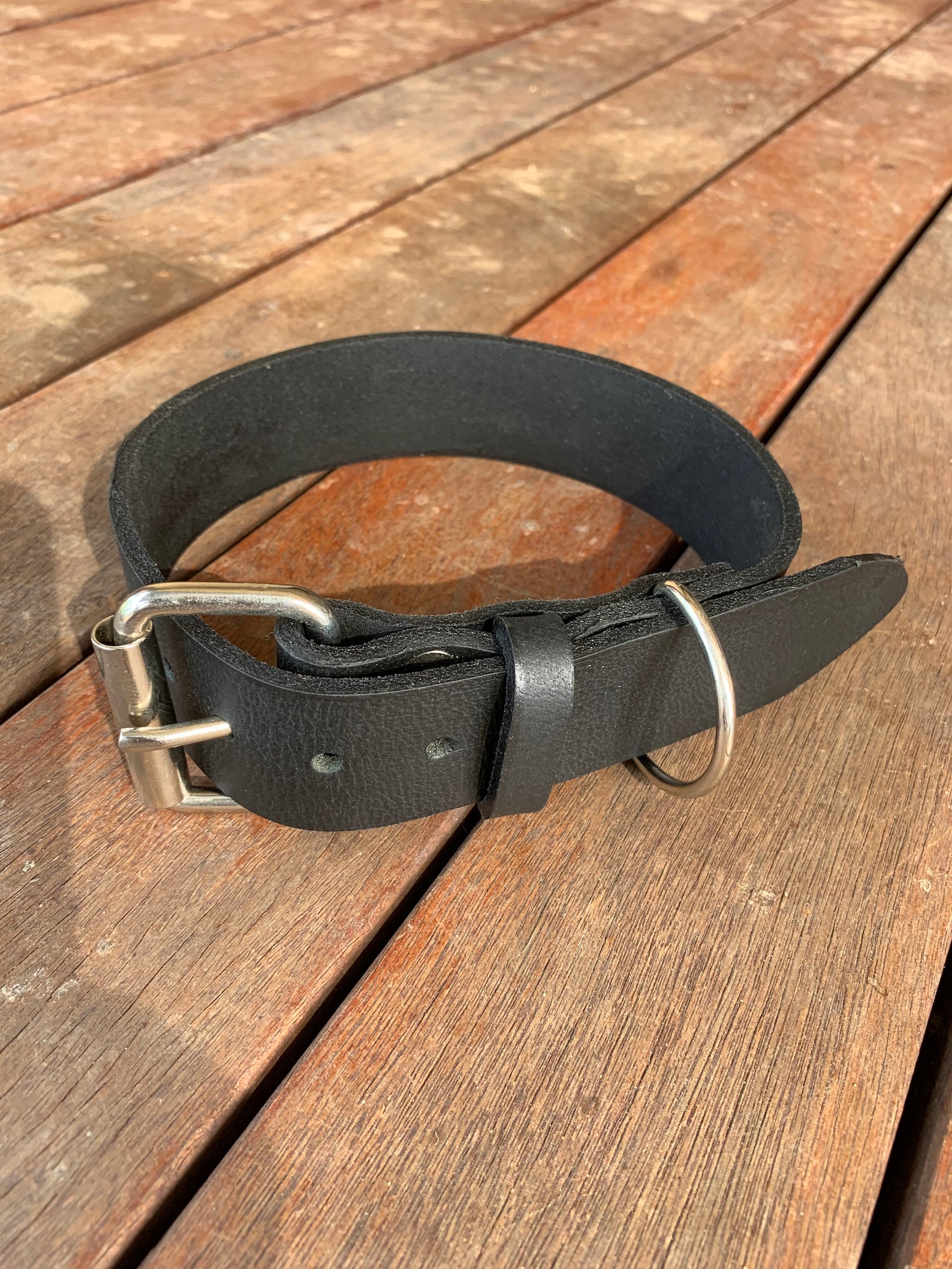
HighlandLeatherShop · From $34.95 · Ships from Queensland · View on Etsy →
Nylon Collar Example
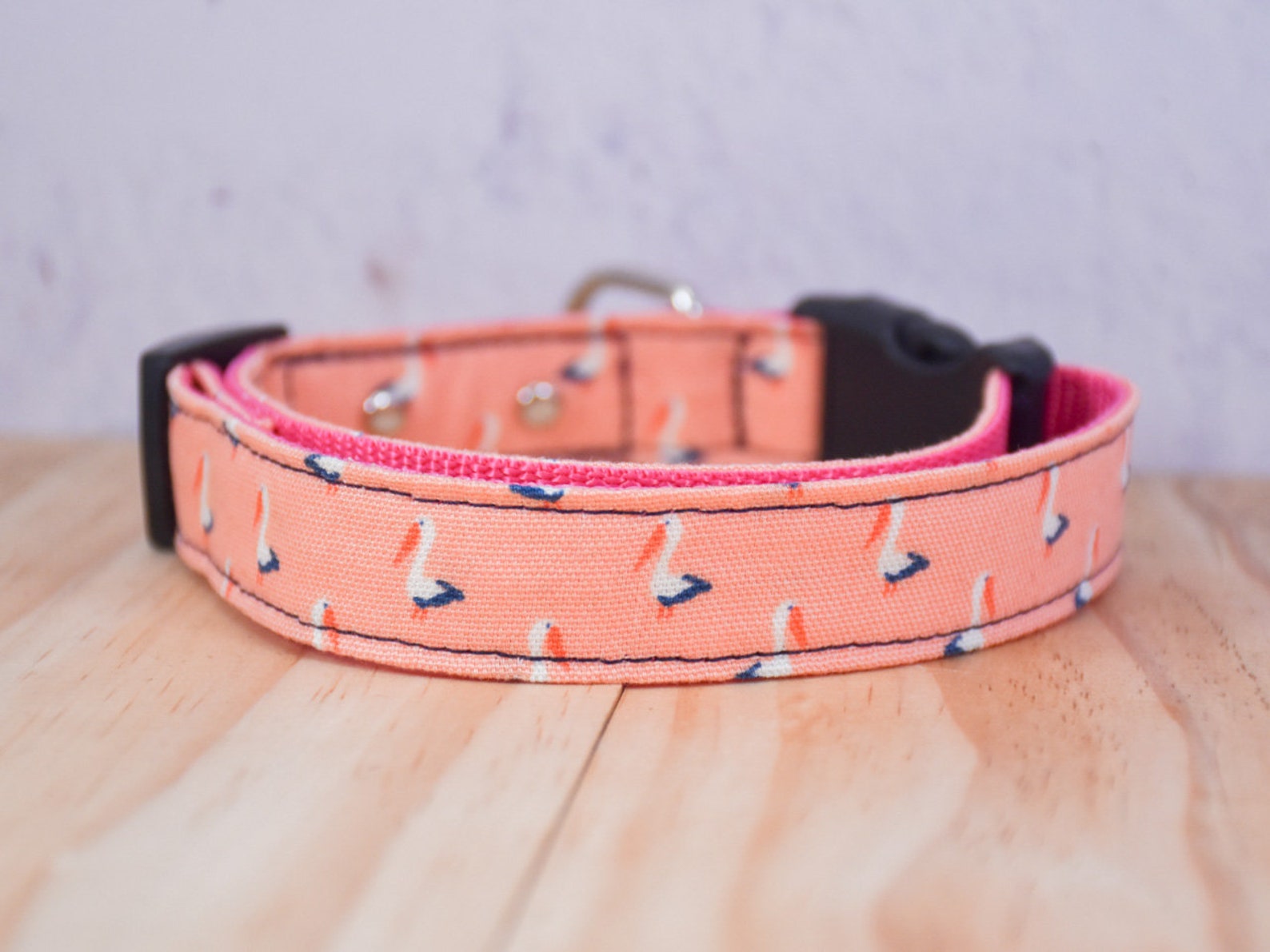
TEDDYLANECo · From $23 · Ships from Brisbane, QLD · View on Etsy →
Special Collar Types
🐾 Collars for Specific Needs
Glow-in-the-Dark Collars
Essential for early morning or evening walks — a glowing collar makes your dog visible to cars and cyclists in low-light conditions. Most use LED lighting or reflective materials. Worth having as a second collar for any dog walked before sunrise or after sunset.
Greyhound Collars
Greyhounds have a distinctive build — a long neck where the head circumference is only slightly larger than the neck. A standard collar sized to fit the neck will slip off over the head. Greyhound collars (also called martingale-style or sight hound collars) are wider and designed to tighten slightly under leash pressure, preventing escape without choking.
Nervous Dog Collars
Bright-coloured collars printed with “NERVOUS”, “ANXIOUS”, or “NEEDS SPACE” in large lettering — a simple, effective way to signal to other dog owners and passers-by that your dog needs distance. Particularly useful in off-leash areas where other owners may approach without asking first.
Glow Dog Collar Example
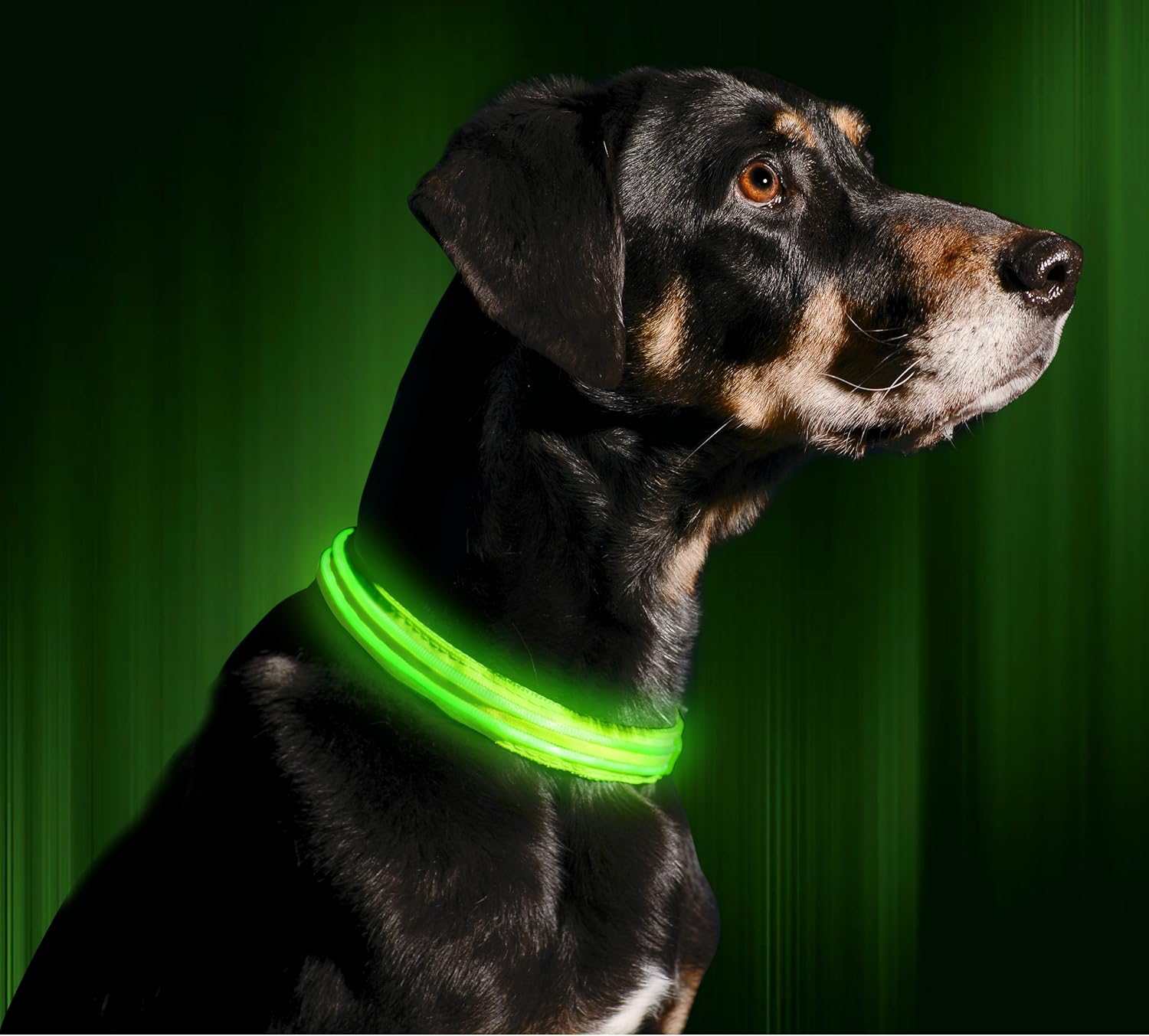
Illumiseen · From $53 · Ships from Australia (US import when local stock runs out) · View on Amazon →
Greyhound Collar Example
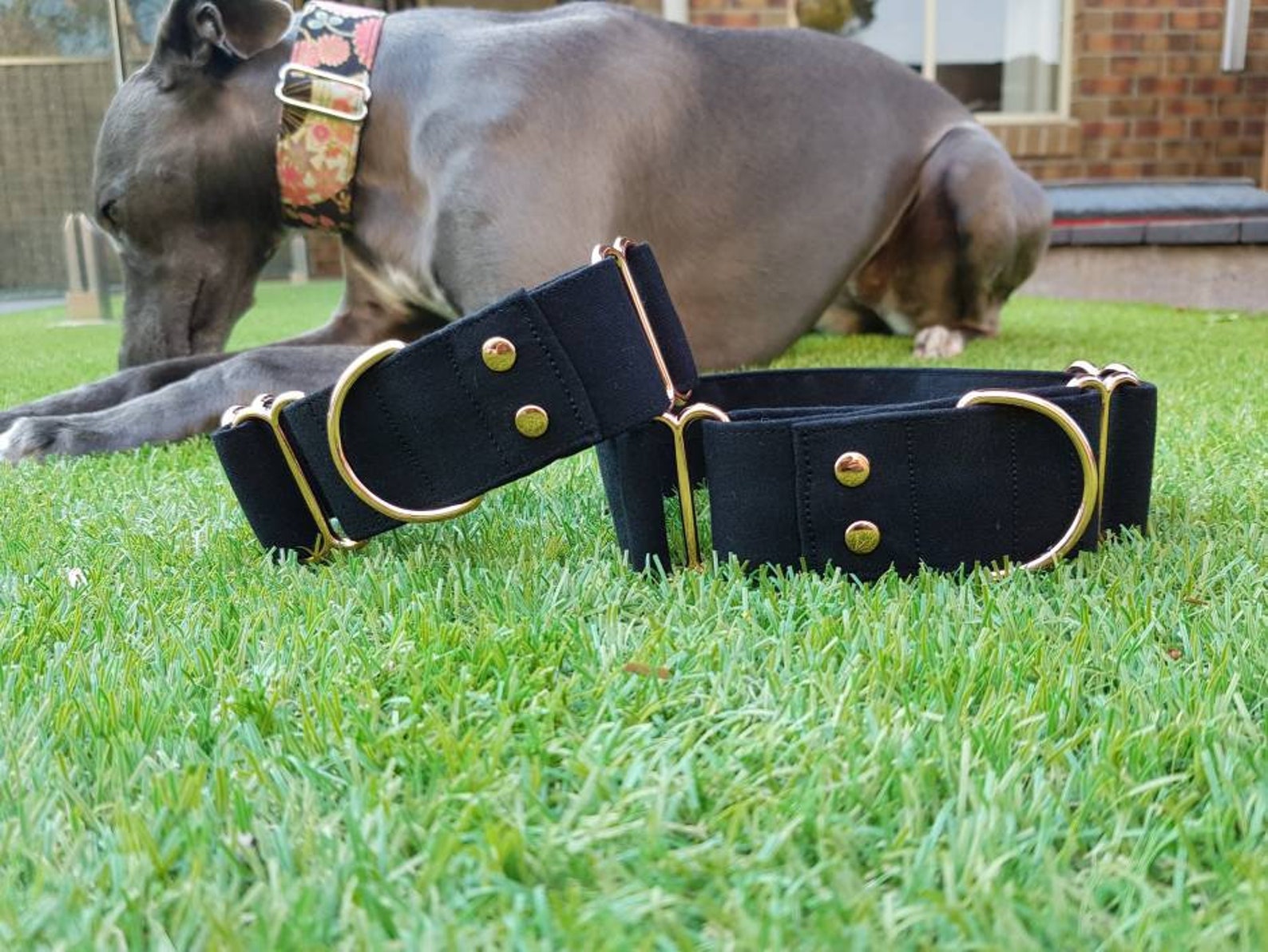
FidoCreative · From $45 · Custom handcrafted to order · Ships from Brisbane, QLD · View on Etsy →
Nervous Dog Collar Example
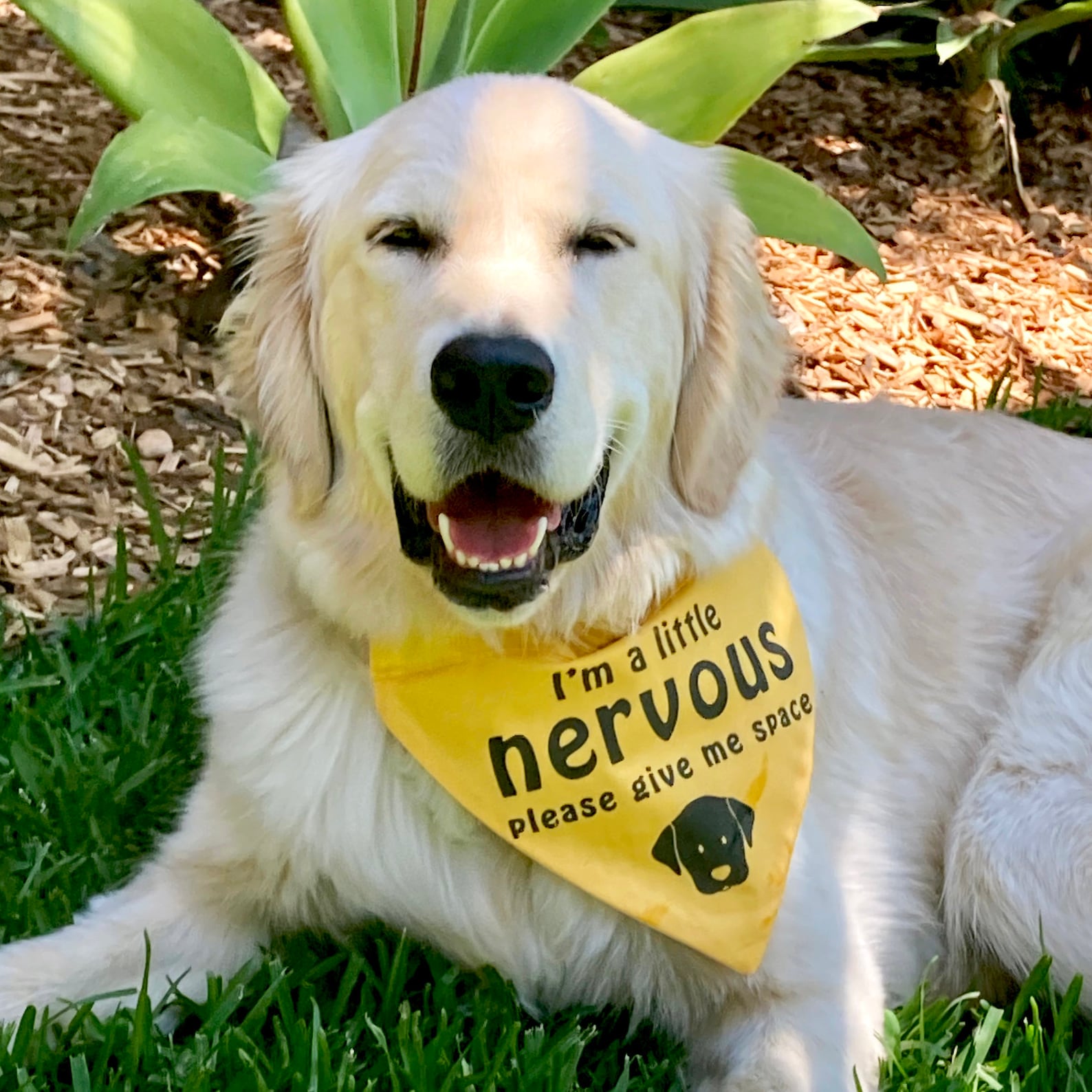
PebblesandPaws · From $26 · Ships from Sunshine Coast, QLD · View on Etsy →
More Dog Collar Types
💡 Other Collar Options Worth Knowing About
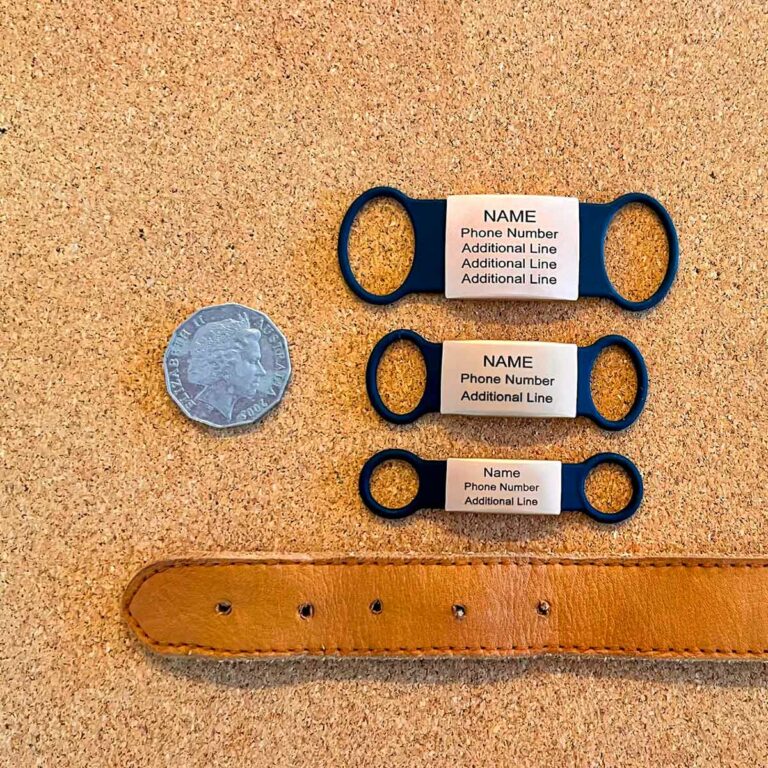
- Personalised collars — the dog’s name and your contact number stitched or embossed directly into the collar, eliminating the need for a separate tag. Available in leather, nylon, and BioThane.
- Pink collars — a popular colour that can be surprisingly hard to find in quality materials. Our pink collar guide covers the best Australian options.
- Training collars — a broad category covering head halters, martingale collars, and other tools used in specific training contexts. These should only be used under the guidance of a qualified trainer — incorrectly fitted or used training collars can cause injury.
Identification Tags
Every dog should carry clearly visible identification on their collar at all times. In most Australian councils this is a legal requirement, not just a recommendation. A standard ID tag clipped to the collar ring is the most common approach — include your dog’s name and your current phone number at minimum.
The alternative is having the details engraved or embossed directly into a personalised collar — no tag to lose or jingle. Either way, check that the information is still accurate and legible regularly. A tag with a faded phone number or an old address is no better than no tag at all.
Frequently Asked Questions
❓ Dog Collar FAQ
Should I use a collar or a harness?
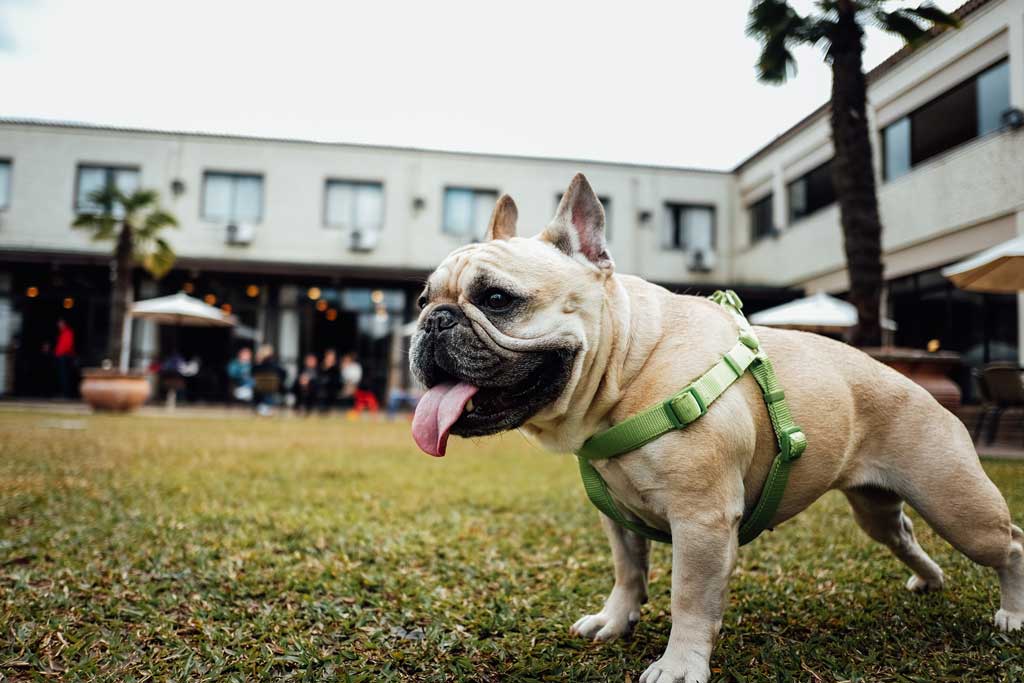
Both serve different purposes and many dogs wear both depending on the context. A collar is standard for carrying ID and general use. A harness distributes leash force across the chest and shoulders rather than the neck — better for dogs that pull, dogs with neck or trachea sensitivities, and brachycephalic (flat-faced) breeds. The two aren’t mutually exclusive.
Should dogs wear their collar all the time?
Most dogs wear their collar whenever they’re outside the home, and many wear it indoors too for ID purposes. It’s reasonable to remove it when your dog is sleeping or unsupervised at home — collar tags can catch on crate bars or furniture in rare cases. Check the fit regularly regardless, as hair and weight can change how a collar sits over time.
How often should I replace my dog’s collar?
Replace when the collar shows signs of wear — fraying stitching, cracked leather, a buckle that’s become hard to operate, or any damage to the structural integrity. There’s no fixed timeline; a quality collar used on a calm dog may last years, while one on a dog that swims daily or pulls hard will wear faster. Check the collar monthly as a habit.
What collar is best for a puppy?
A simple, lightweight nylon collar is the standard starting point for puppies. It should be adjustable to allow for rapid growth — check the fit weekly in the first few months. Avoid heavy or decorative collars on young puppies. The priority is correct fit and ID; style can come later.