
Disclosure: Dogs of Australia is reader-supported. When you buy through links on our site, we sometimes earn an affiliate commission at no added cost to you. Learn more
Bringing a new puppy home involves more preparation than most people expect — especially if it’s your first dog. This checklist covers everything you’re likely to need in the first weeks, with product picks and honest notes on what actually matters versus what can wait.
1. Training Book
A good training book should be near the top of every new puppy list. The internet has plenty of free dog advice, but a book read cover to cover gives you a structure and depth that scattered articles don’t. It also matters which source you trust — dog training is an unregulated industry in Australia, so quality varies enormously.
A solid first read is Zak George’s Dog Training Revolution — available from your local bookshop or online for around $22. Zak George also has hundreds of free YouTube videos if you prefer video alongside reading.
2. Dog Bowls
Get at least two bowls — one for food, one for water. Your dog needs constant access to fresh water, so depending on your home setup you may want a second water bowl for outside as well. Look for food-safe materials (ceramic, stainless steel, or food-safe plastic) that are stable and easy to clean.

BEST BUDGET PICK
Stainless Steel Dog Bowls
Simple, durable, dishwasher safe, and slide-resistant. Stainless steel is easy to keep clean and doesn’t harbour bacteria the way plastic can over time.
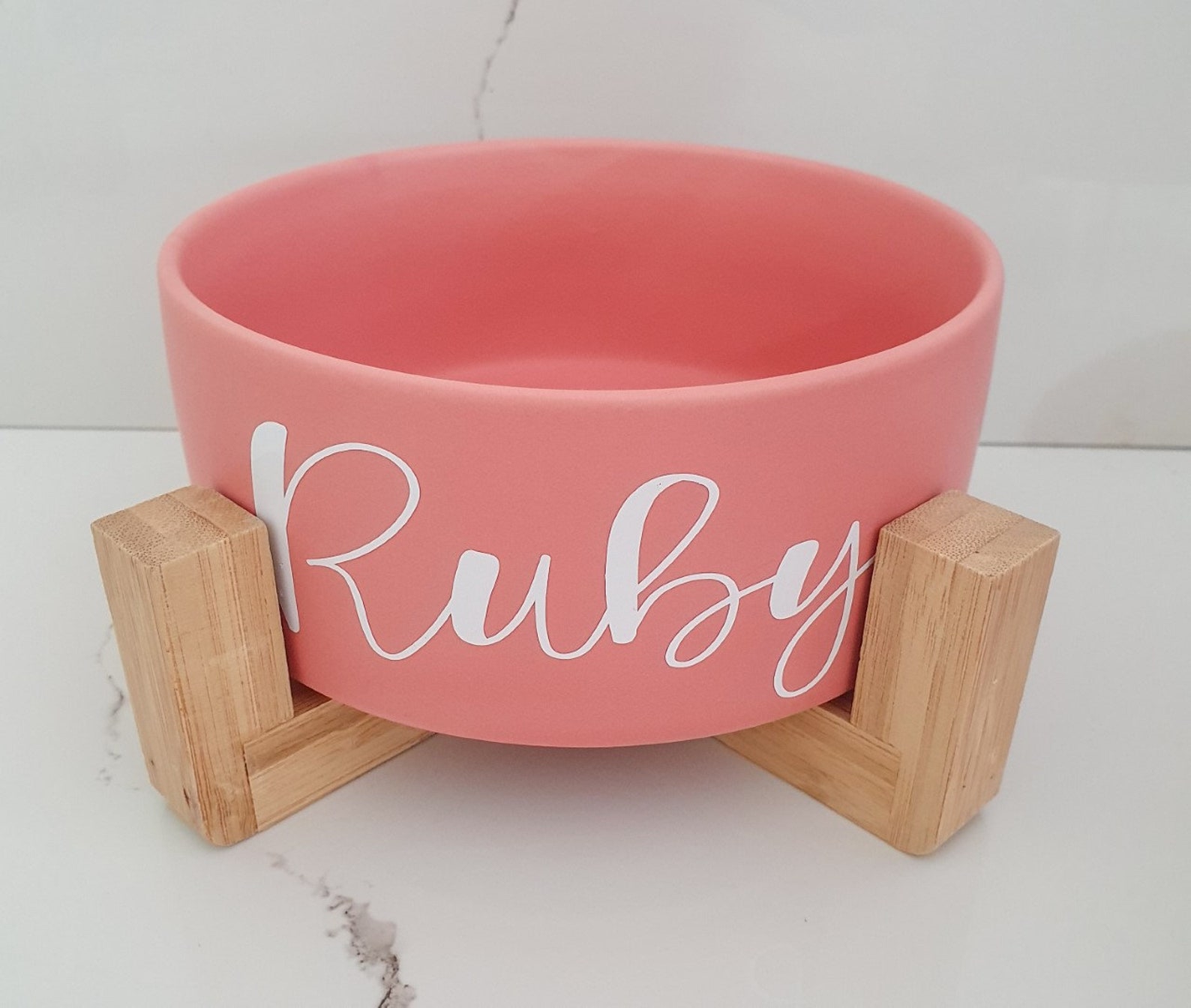
PERSONALISED PICK
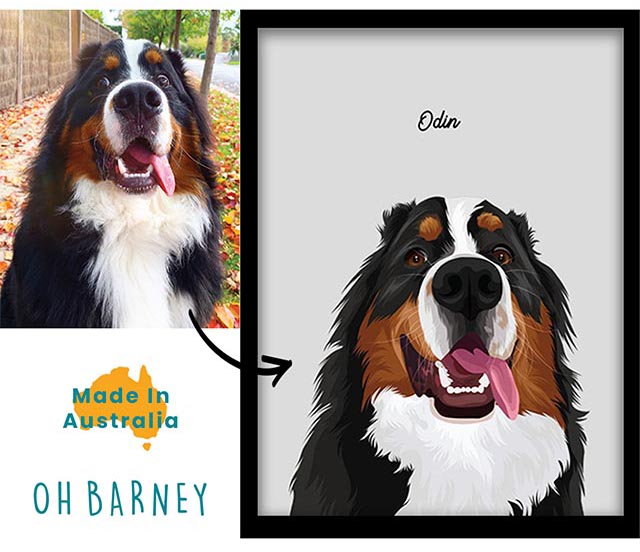
Personalised Dog Bowl
A handmade personalised ceramic bowl from an Australian small business in Darwin — a nicer option if presentation matters to you.
3. Dog Food
Before you bring your puppy home, ask the breeder or shelter what food they’ve been eating. Stick to the same brand initially — sudden diet changes cause digestive upset in puppies. If you want to switch to a different food, transition gradually.
🍽️ How to Switch Foods Gradually
The 10-Day Transition
- Days 1–3: 75% old food, 25% new food
- Days 4–6: 50% old food, 50% new food
- Days 7–9: 25% old food, 75% new food
- Day 10+: 100% new food
If your puppy shows loose stools or vomiting at any stage, slow the transition down further. Ask your vet if symptoms persist.
4. Treats and Treat Bag
Training starts the day you bring your puppy home, so have healthy treats ready immediately. A treat bag keeps them accessible without filling your pockets — particularly useful when using wet treats like cooked chicken.

BEST FOR WET TREATS
Silicone Treat Bag
Wipes clean easily — ideal when using cooked chicken, cheese, or other wet high-value treats that would ruin a fabric bag.

BEST VALUE
Training Treat Pouch
Clips onto a waistband or leash, magnetic closure for quick one-hand access. Hundreds of positive reviews and a budget-friendly price.
5. Collar
Your puppy won’t venture outside until they’re fully vaccinated, but those first weeks at home are a good opportunity to get them comfortable wearing a collar. It should be lightweight, adjustable (puppies grow fast), and fitted correctly — you should be able to slide two fingers comfortably underneath.
💡 Introducing the Collar
- Make the first fitting a positive experience — lots of praise and treats while putting it on
- Put it on just before meals or playtime so your puppy has something better to think about than the collar
- Gradually increase the time they wear it each day
- Check the fit at least once a week — puppies can outgrow a collar quickly without you noticing
- Never leave a very young puppy unsupervised with a collar on until you’re confident it fits securely and can’t catch on anything
6. Name Tag
A dog name tag with your contact number is the fastest way to get a lost dog home — faster than a microchip, which requires a scanner to read. Your dog should be microchipped with current details at all times, but a visible tag on the collar is essential backup. See our guide to where to get dog tags in Australia.
7. Harness
You won’t need a harness from day one, but most puppy school classes require one, and it becomes useful quickly once walks begin. Look for lightly padded mesh that won’t rub. Front-and-back attachment harnesses can help redistribute pulling pressure, though they’re a training aid, not a substitute for teaching leash manners.

VET RECOMMENDED
Perfect Fit Harness
Frequently recommended by vets and qualified dog trainers — a modular three-piece design that fits almost any body shape. Available through stockists in Australia.

PRACTICAL ALTERNATIVE
Kurgo Harness
A durable, well-reviewed alternative that also doubles as a car safety harness with a seatbelt tether — two uses from one purchase.
8. Leash
Every puppy needs a good sturdy leash — sized appropriately for the dog (thick heavy clips on small dogs, light thin clips on large dogs are both problems). For an untrained puppy, around 2 metres is the right length: enough room to explore without giving so much freedom that pulling becomes habitual. Avoid retractable leads until your dog has reliable leash manners — they actively teach dogs to pull and can cause injury.
9. Car Safety
An unsecured dog in a moving car is a safety risk — for them and for you. Options include a seatbelt tether, car harness, or travel crate.

CAR SAFETY
Kurgo Car Harness
The Kurgo harness mentioned above includes a seatbelt tether, making it a good dual-purpose buy — walking harness and car safety in one.
10. Dog Bed
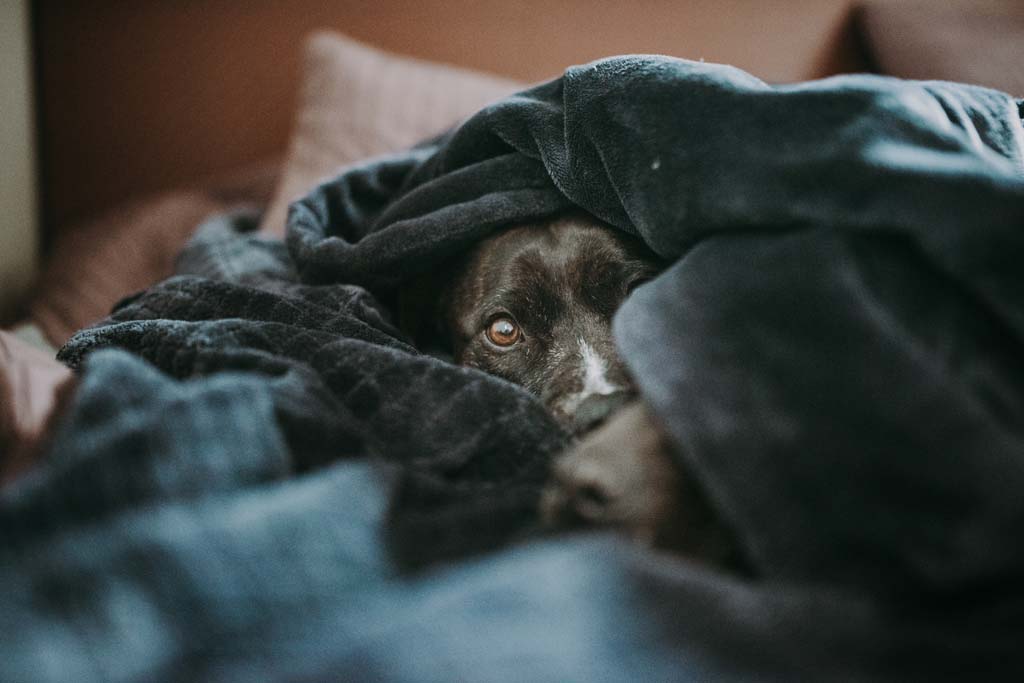
Puppies sleep a lot — up to 18 hours a day is normal. A dedicated bed gives them a safe space to rest and helps establish where they’re allowed to be. Don’t spend too much on a first bed: puppies frequently chew their way through their first one or two. Start with something practical and upgrade once the teething phase passes.
Consider getting more than one bed if your puppy will spend time in multiple rooms — a designated spot in each space helps them settle faster. See our full dog bed guide for all types and styles.

HIGHLY REVIEWED
Calming Donut Bed
A popular calming-style bed with raised edges that give puppies something to rest their head against — mimics the feeling of sleeping with their littermates. Available in multiple colours and sizes.

AUSTRALIAN MADE
Handmade Cave Bed
A handmade cave-style bed for dogs that like to burrow — ships from Cairns. A nicer option if you want something Australian-made and more considered than a basic flat bed.
11. Crate
Whether or not you use a crate day-to-day, there will be times your dog needs to be in one — vet visits, travel, emergencies. Getting them comfortable with a crate while young makes those situations far less stressful. The crate must be large enough for your dog to stand, turn around, and stretch out fully. If aesthetics matter, crate covers and wooden furniture-style crates are both options.
12. Playpen
A playpen is invaluable in the early months — it keeps your puppy safe and contained when you can’t actively supervise them, and makes toilet training significantly easier. Check Gumtree or Facebook Marketplace for second-hand pens before buying new — they turn over quickly as puppies grow.

BUDGET PICK
Compact Budget Playpen
Lightweight, easy to clean, and compact for storage. A solid starter option that won’t break the bank for a phase that doesn’t last forever.

MOST FLEXIBLE
Extendable Wire Playpen
Durable panels that can be expanded or reconfigured as your needs change. A common choice for owners who want more flexibility in how they set it up.
13. Toys
Resist buying everything at once — most puppies pick two or three favourites and ignore the rest. Start with a small selection across different types and rotate them to keep things interesting. Don’t give access to more than two or three toys at a time.
🧸 Types of Puppy Toys
Chew Toys
Essential during teething — puppies need appropriate outlets for chewing. Rope toys and rubber chew toys are reliable choices. A Kong stuffed with food is a classic that most dogs engage with well.
Look for: Age-appropriate sizing, no small parts that can detach
Fluffy Toys
Good for comfort and gentle play. Some puppies destroy them within an hour, so don’t spend much until you know how your dog treats them. Useful for keeping boredom at bay.
Look for: Reinforced seams, no button eyes or small decorations
Enrichment Toys
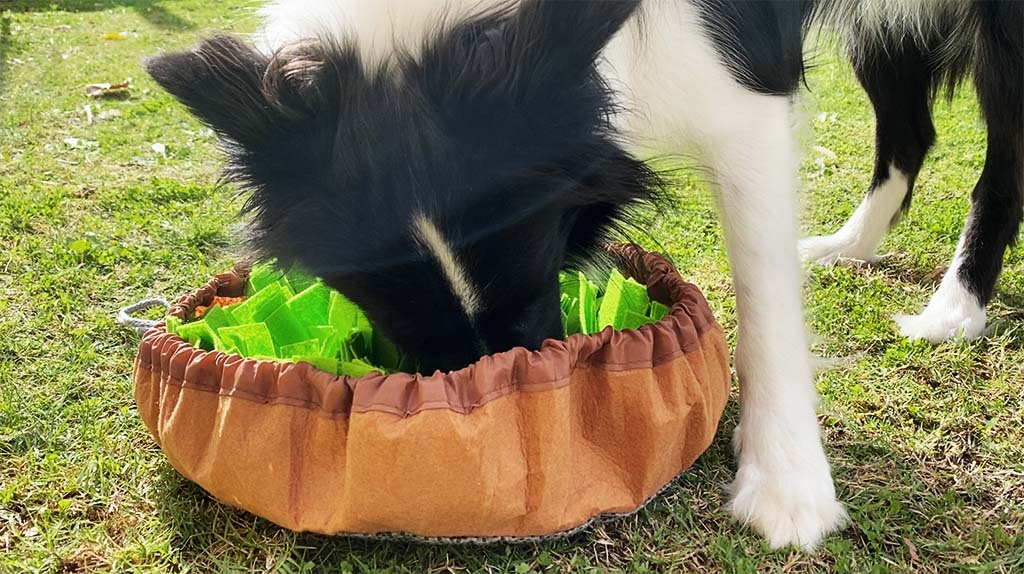
Puzzle feeders, Kongs, and snuffle mats engage your puppy’s brain and can tire them out more effectively than physical exercise. Start simple and increase difficulty as they get the idea. See our enrichment feeding guide for more.
Best for: Mental stimulation, settling during quiet time
14. Grooming Brush
Get your puppy used to being brushed early — it’s much easier to establish as a routine than to introduce later when they’re resistant. Start gently with a grooming glove if your puppy is suspicious of brushes, then graduate to a proper brush once they’re comfortable being handled. Regular brushing reduces shedding and keeps grooming costs down.
15. Dog Shampoo
Dogs don’t need frequent bathing — once every 2–3 months is generally sufficient unless they’ve rolled in something. When bath time arrives, use a gentle dog-specific shampoo rather than human products, which can disrupt a dog’s skin pH. Ask your vet for a recommendation if your puppy has sensitive skin.
16. Waste Bags and Holder
Buy in bulk from the start — you’ll go through a lot over your dog’s lifetime and bulk buying is significantly cheaper. Biodegradable bags are worth choosing where possible. A holder that clips to the leash means you’ll always have bags when you need them.
17. Stain Remover
Accidents are inevitable in the early weeks, even with good toilet training. An enzymatic cleaner is worth having ready — it breaks down the proteins in urine and removes the scent completely, which is important because dogs are drawn back to spots that still smell like a toilet to them. Standard cleaners may remove the visible stain without removing the scent marker.
18. Flea, Tick and Worming Treatment
⚠️ Always Follow Your Vet’s Advice
Flea, tick, and worming treatments vary by region, dog size, age, and health status — what’s right for one dog isn’t necessarily right for another. Don’t buy treatments over the counter without a vet recommendation, particularly for very young puppies. Your vet will advise on the correct product, dosage, and timing schedule for your specific dog and location.
Frequently Asked Questions
❓ New Puppy FAQ
Is a crate cruel?
Not when introduced properly and used appropriately. A crate should never be used as punishment, and dogs should never be left in one for longer than they can reasonably manage (a rough guide is one hour per month of age plus one). When introduced gradually with positive association, most dogs come to see their crate as a safe space and will use it voluntarily. The controversy around crates usually comes from misuse, not the tool itself.
When can my puppy go outside?
Generally after their full vaccination course is complete — typically around 14–16 weeks of age, though this varies by vet and vaccine schedule. Ask your vet for specific advice. In the meantime, you can carry your puppy to expose them to sights and sounds without the risk of contact with unvaccinated dogs or contaminated ground.
How much do I need to budget for the first year?
The first year is typically the most expensive — initial setup costs (bed, crate, bowls, harness, leash, pen) plus vaccinations, microchipping, desexing, and puppy school add up quickly. A rough budget of $2,000–$4,000 for the first year is realistic depending on breed, size, and what you already own. Ongoing costs settle significantly after the first year.
Do I need puppy school?
It’s strongly recommended, particularly for first-time dog owners. Puppy school provides structured socialisation during the critical developmental window (before 16 weeks), teaches basic commands in a distraction-rich environment, and gives you access to a qualified trainer to answer your specific questions. The social exposure alone is worth it.